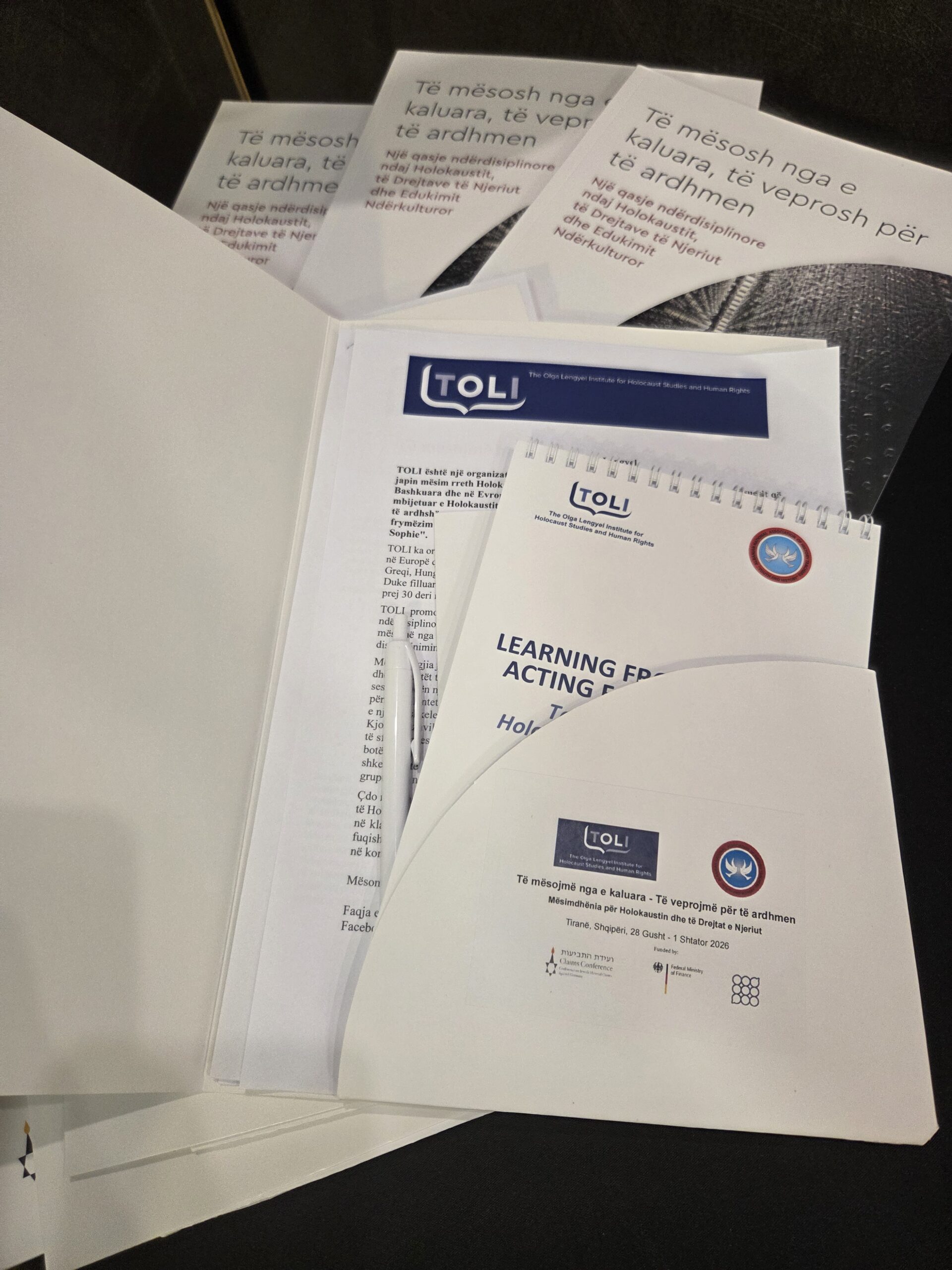
Albania
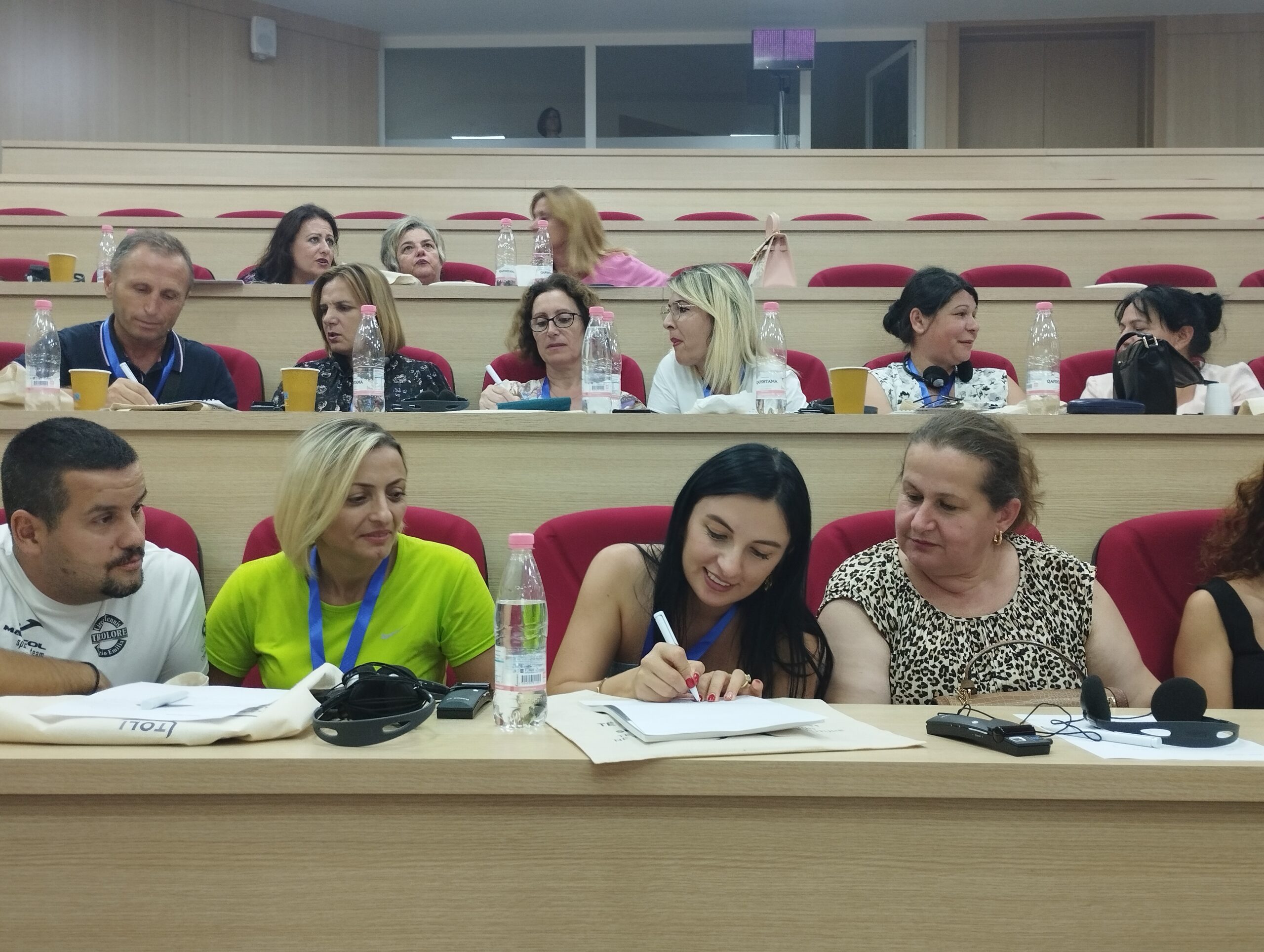
Date: August 28-September 1, 2026
Location: Tiranë, Albania
Albania
The seminar is organized in partnership with the Association of History Teachers in Albania and co-funded by the Conference on Jewish Material Claims Against Germany, supported by the German Federal Ministry of Finance.
The aim of the seminar is to contribute to increasing the quality of education regarding the Holocaust and human rights in Albania. The program provides a rich opportunity to integrate national and international approaches to teaching about these topics and to understanding the contemporary relevance of this important part of modern history.
The objectives of the program are to:
- Develop teachers’ critical understanding of antisemitism, the Holocaust, and other instances of social injustice;
- Develop teachers’ understanding of the impact of stereotypes, prejudices, and discrimination at the individual, group, and societal levels;
- Develop teachers’ understanding of Jewish life before and after the Holocaust;
- Increase appreciation for innovative, student-centered teaching methods, including extracurricular activities and partnerships between schools and other institutions and organizations;
- Promote an interdisciplinary approach to Holocaust, human rights, and intercultural education;
- Develop teachers’ competencies for democratic culture.
The seminar incorporates a methodology designed to ensure the basic principles of active participation and holistic learning throughout the program. The methodology is learner-centered and based on the principles of experiential learning and a human rights-based approach to education.
Special consideration is given to ensuring a balance between cognitive and emotional elements and reflection time; between information about the horrors of the Holocaust and information about Jewish life before and after the Holocaust, creating a more complex narrative; and between reflection and action. Learning is not enough—acting upon what is learned is key to social change.
Following the seminar, teachers receive support to put their learning into practice, run local projects with their students, and engage in collaborative initiatives with fellow TOLI seminar participants from other countries.
In partnership with the Albanian History Teachers Association.
With Assistance from the Conference on Jewish Material Claims Against Germany
Supported by the German Federal Ministry of Finance
The 2026 Program
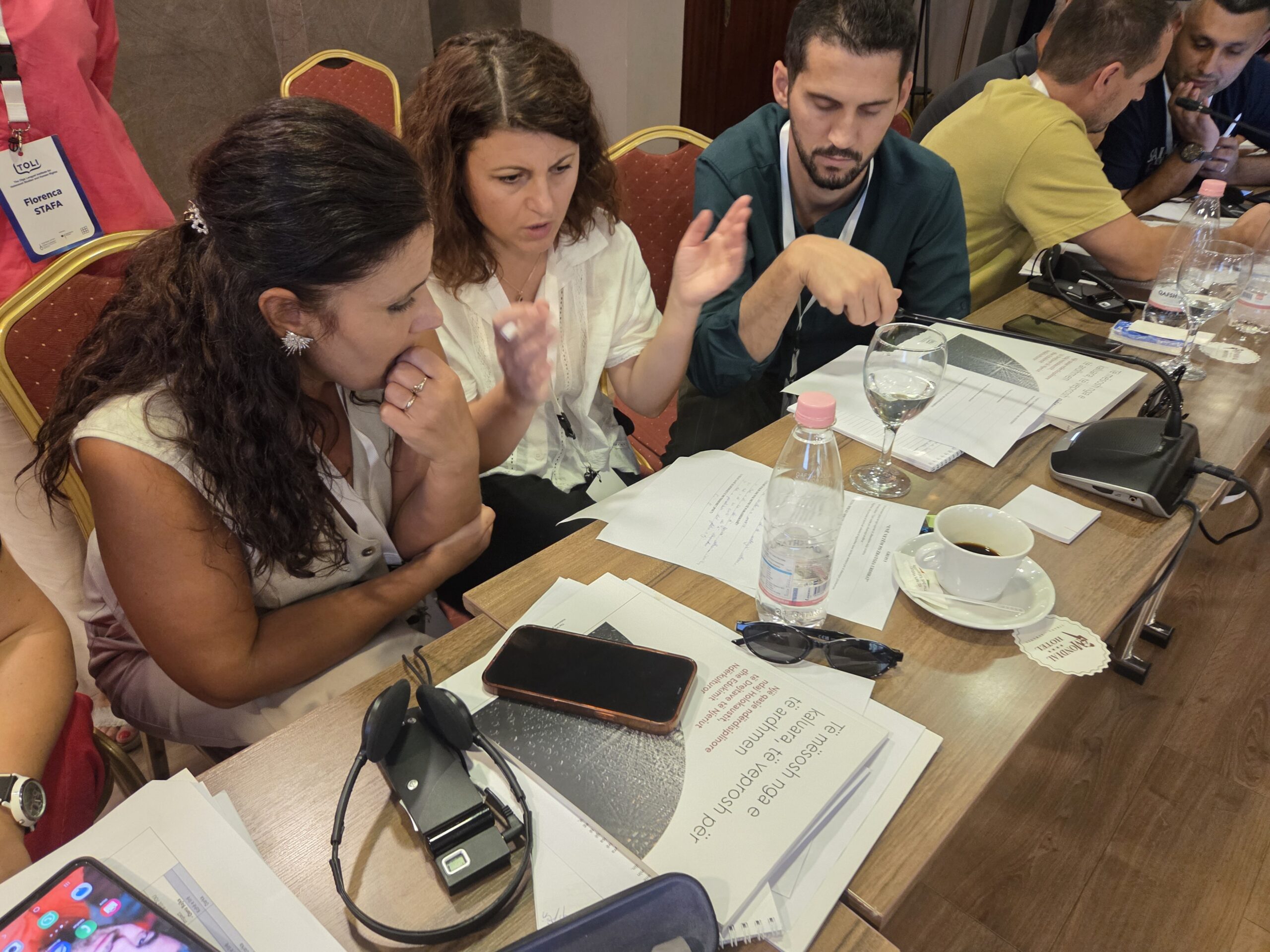
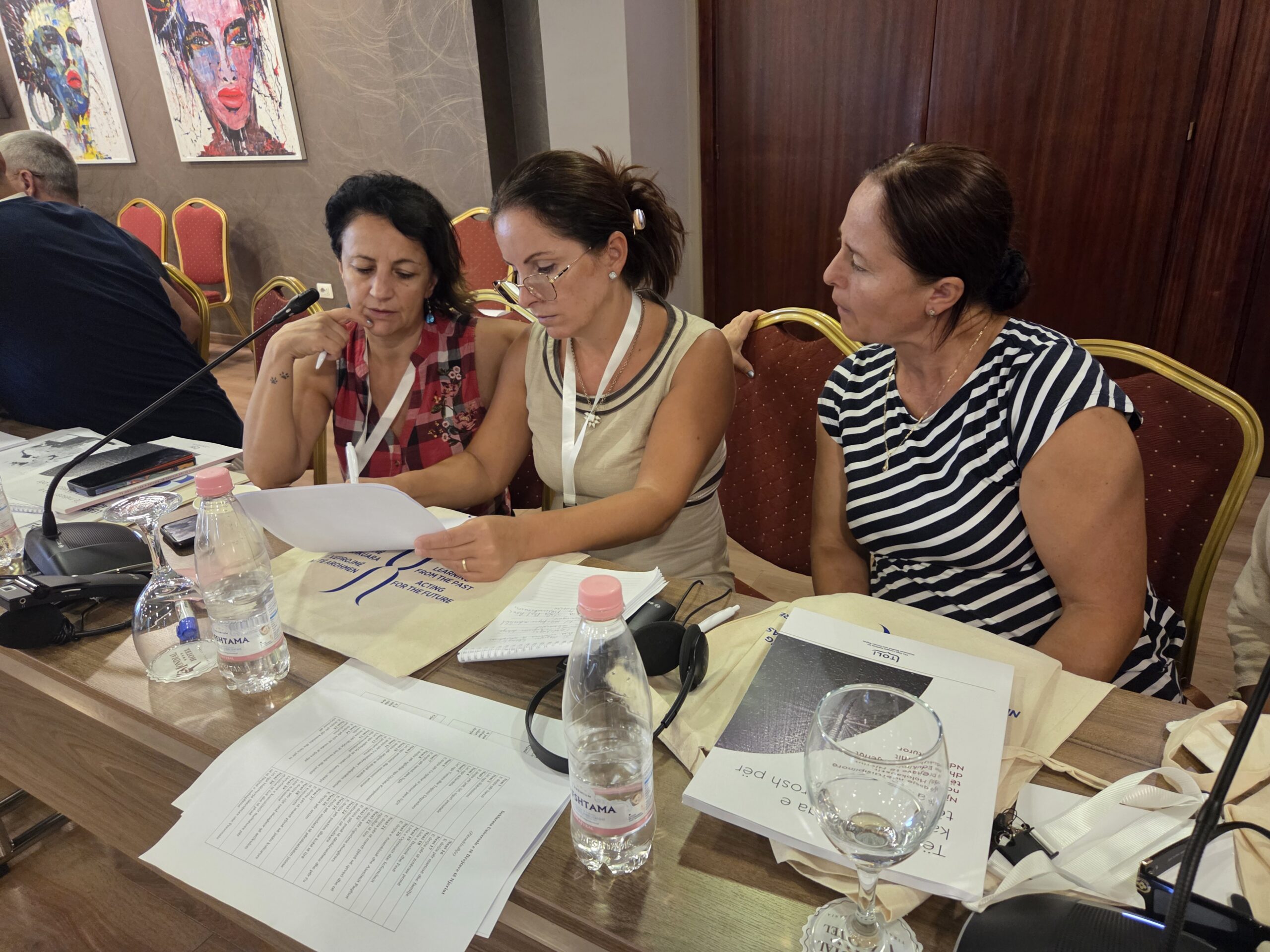
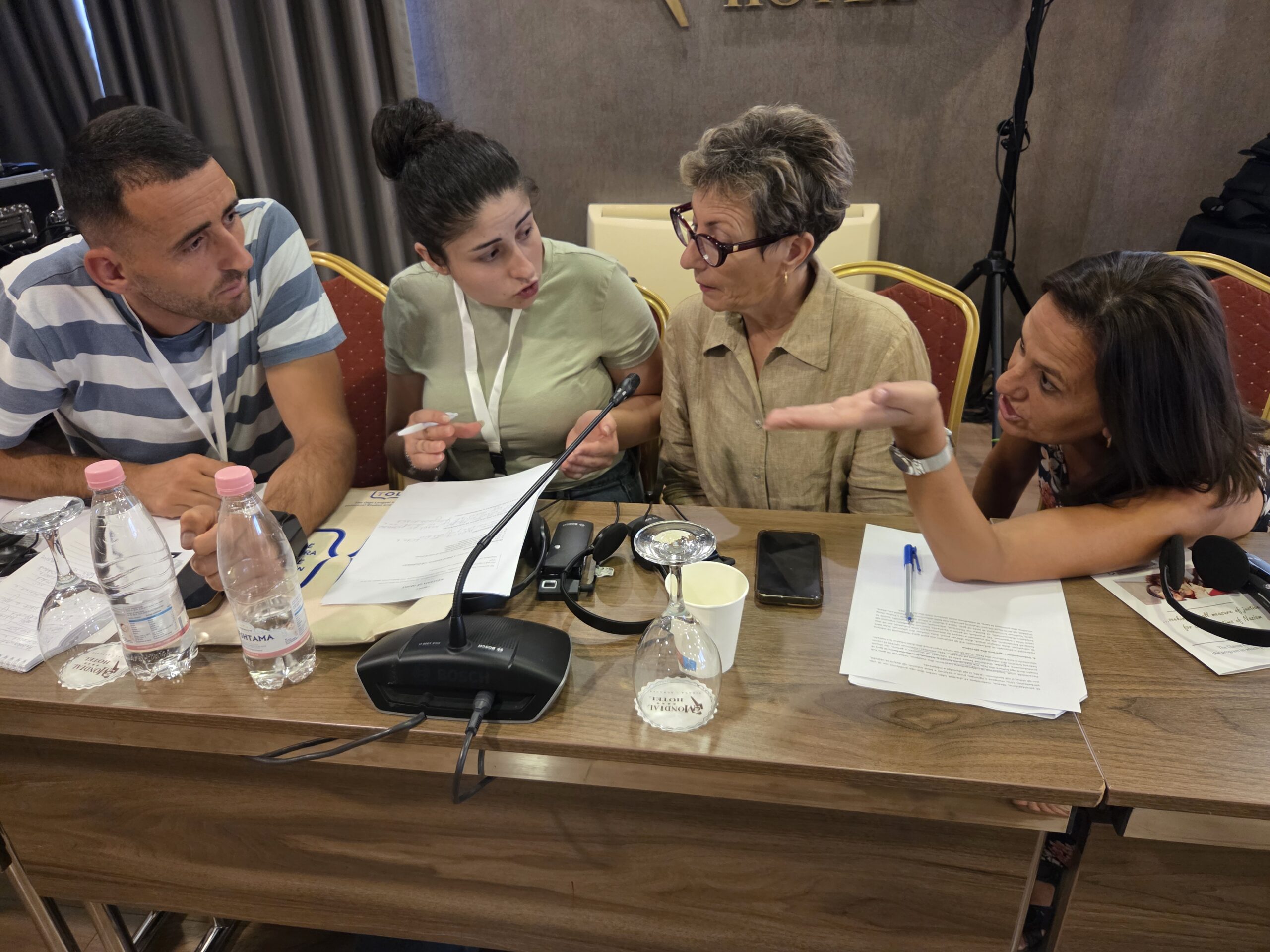
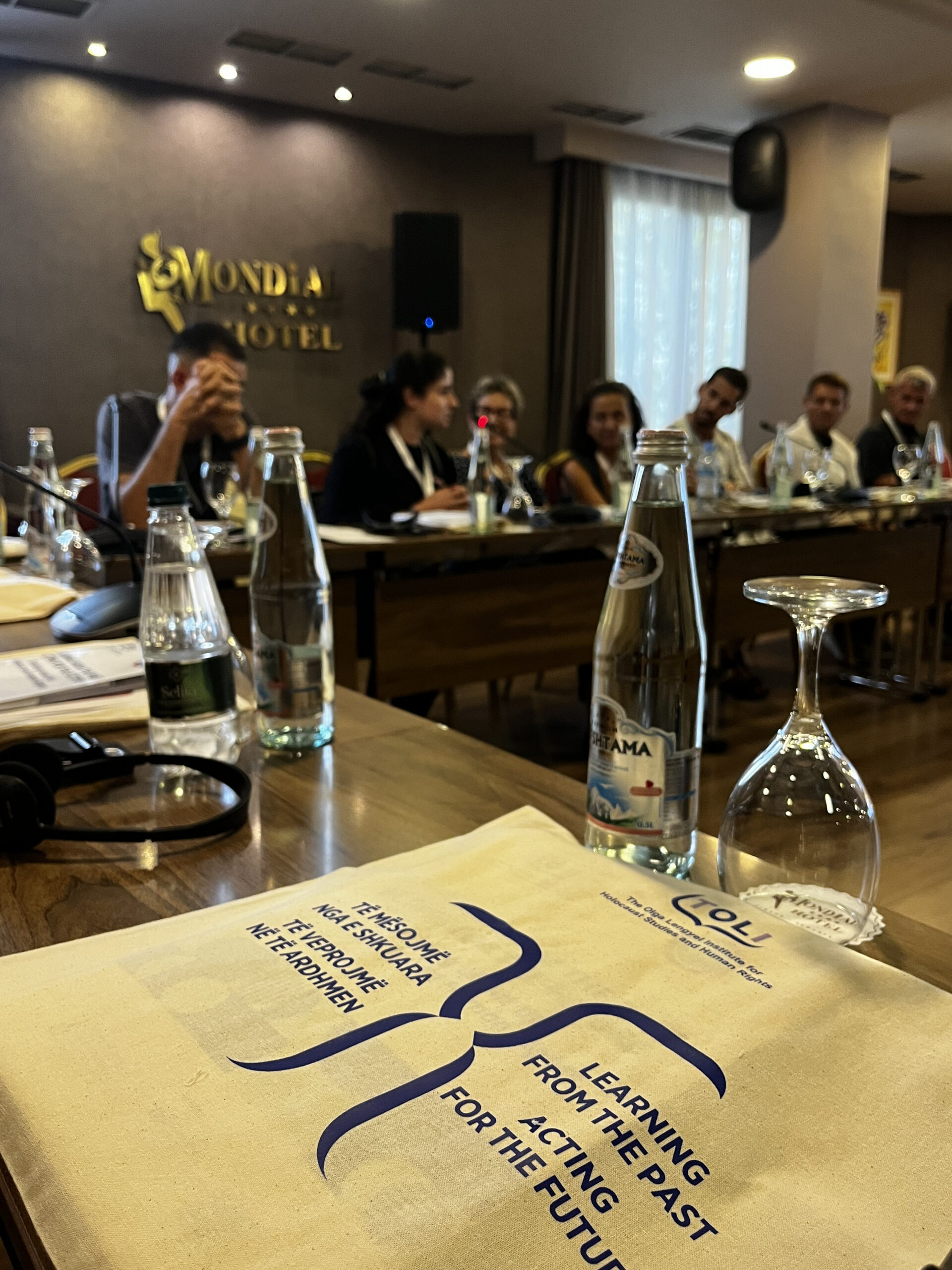
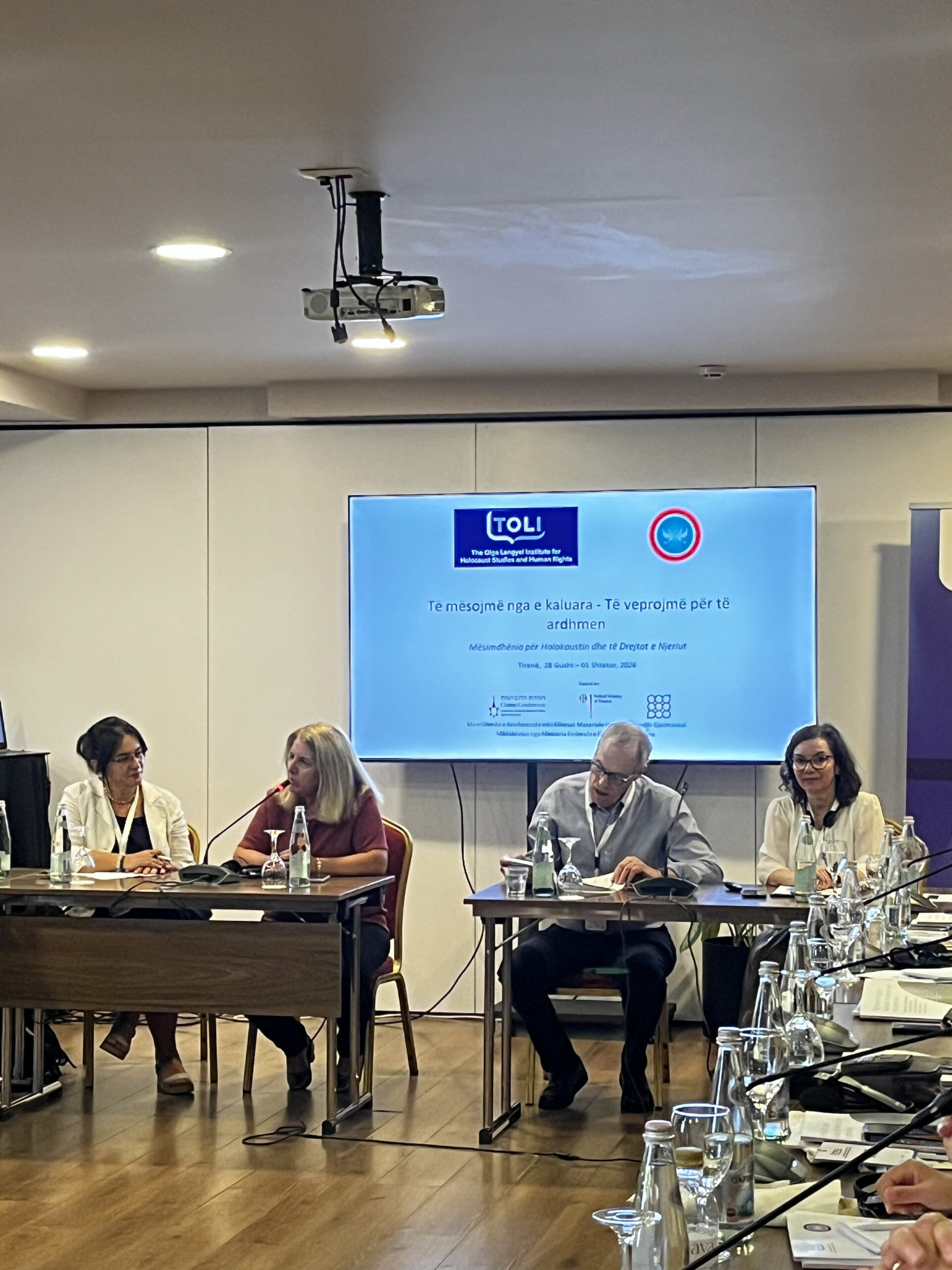
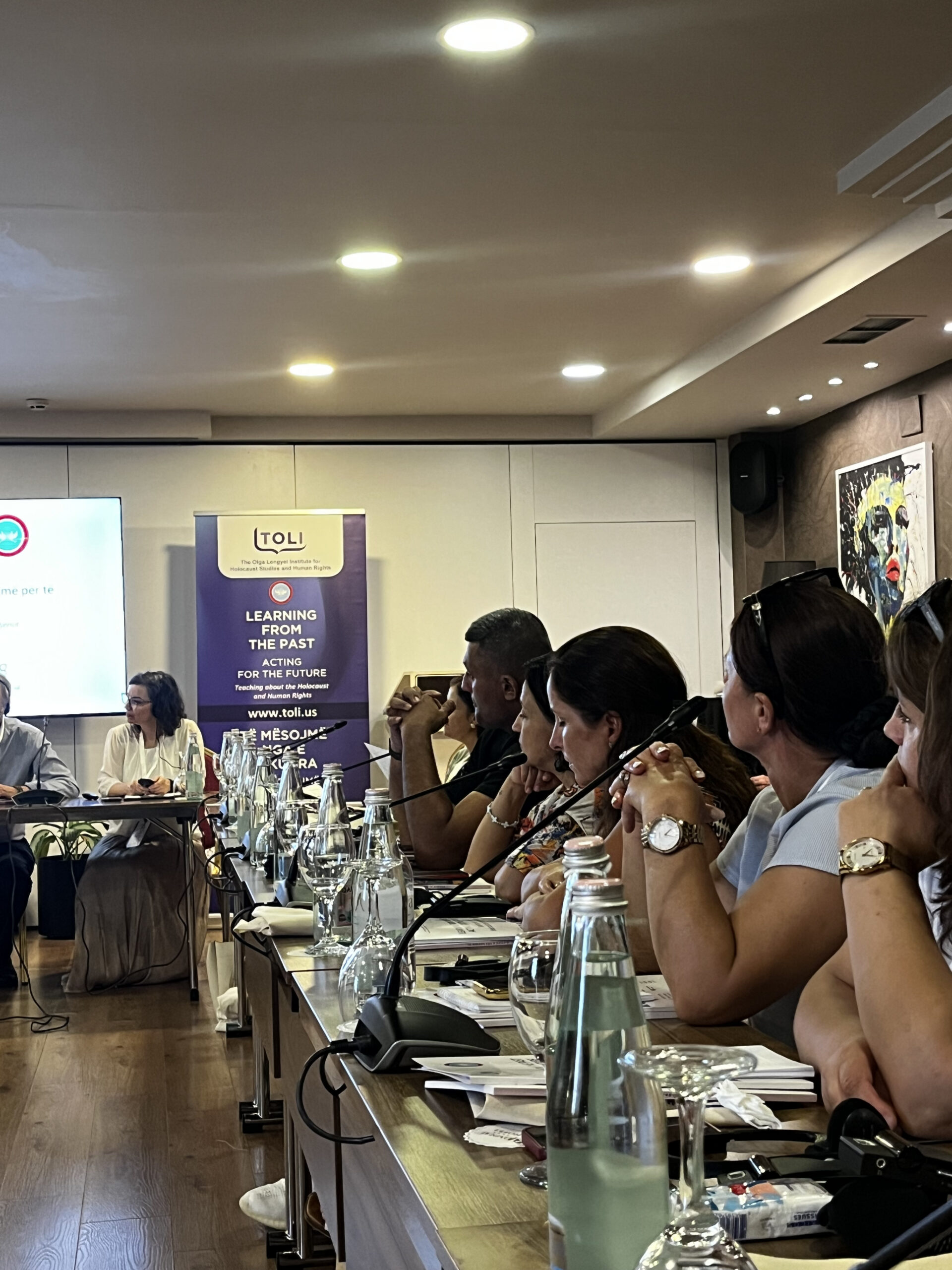
TOLI’s seminar, Learning from the Past – Acting for the Future: Teaching about the Holocaust and Human Rights, brought together 25–30 educators from Albania and Kosovo in Tirana, Albania, from August 28 to September 1, 2026. Developed by The Olga Lengyel Institute (TOLI) in partnership with the Association of History Teachers in Albania “Youth and History,” the five-day program focused on strengthening educators’ ability to teach the Holocaust responsibly while addressing Holocaust distortion, antisemitism, discrimination, and contemporary threats to human rights and democratic values.
Throughout the seminar, educators explored the Holocaust within the broader contexts of Jewish life, antisemitism, racism, prejudice, exclusion, and human rights. Sessions examined Jewish life in Albania before and during the Holocaust, the Holocaust in Europe, the genocide of the Roma, and the experiences of Jews in Albania between 1939 and 1945. Participants also explored the choices people made during the Holocaust, including acts of courage, complicity, and silence, as well as the story of the Albanians who were recognized as Righteous Among the Nations for protecting Jews during the Holocaust.
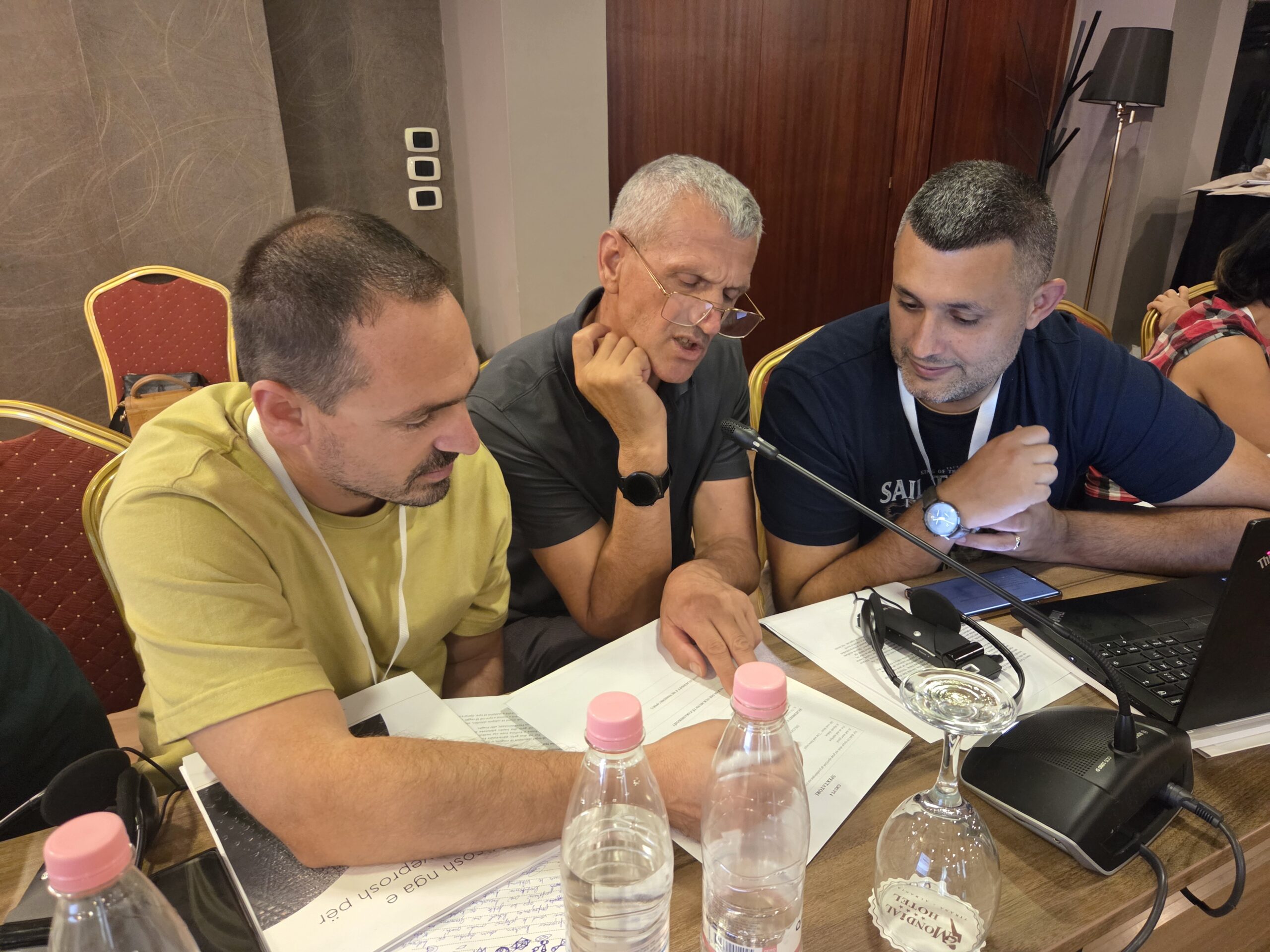
The program placed a strong emphasis on practical approaches to teaching. Educators learned strategies for countering Holocaust distortion and antisemitism through education, critically evaluating historical narratives and educational materials, and responding to misinformation and contested memories. They also explored empathy in history education, Holocaust and human rights education, and innovative, student-centered methodologies. The seminar emphasized experiential learning and a human rights-based approach, balancing historical knowledge with emotional reflection and connecting learning with action and social change.
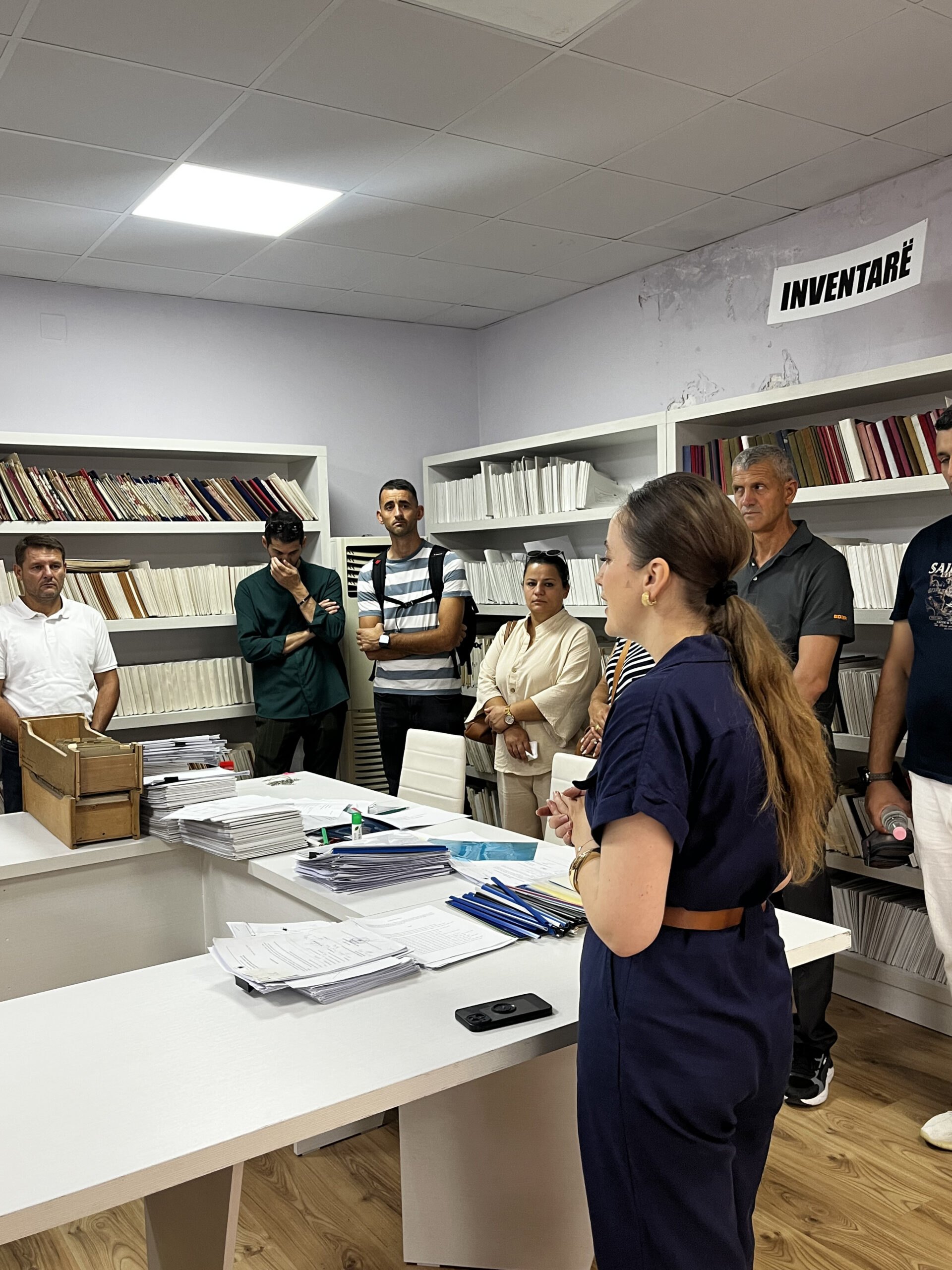
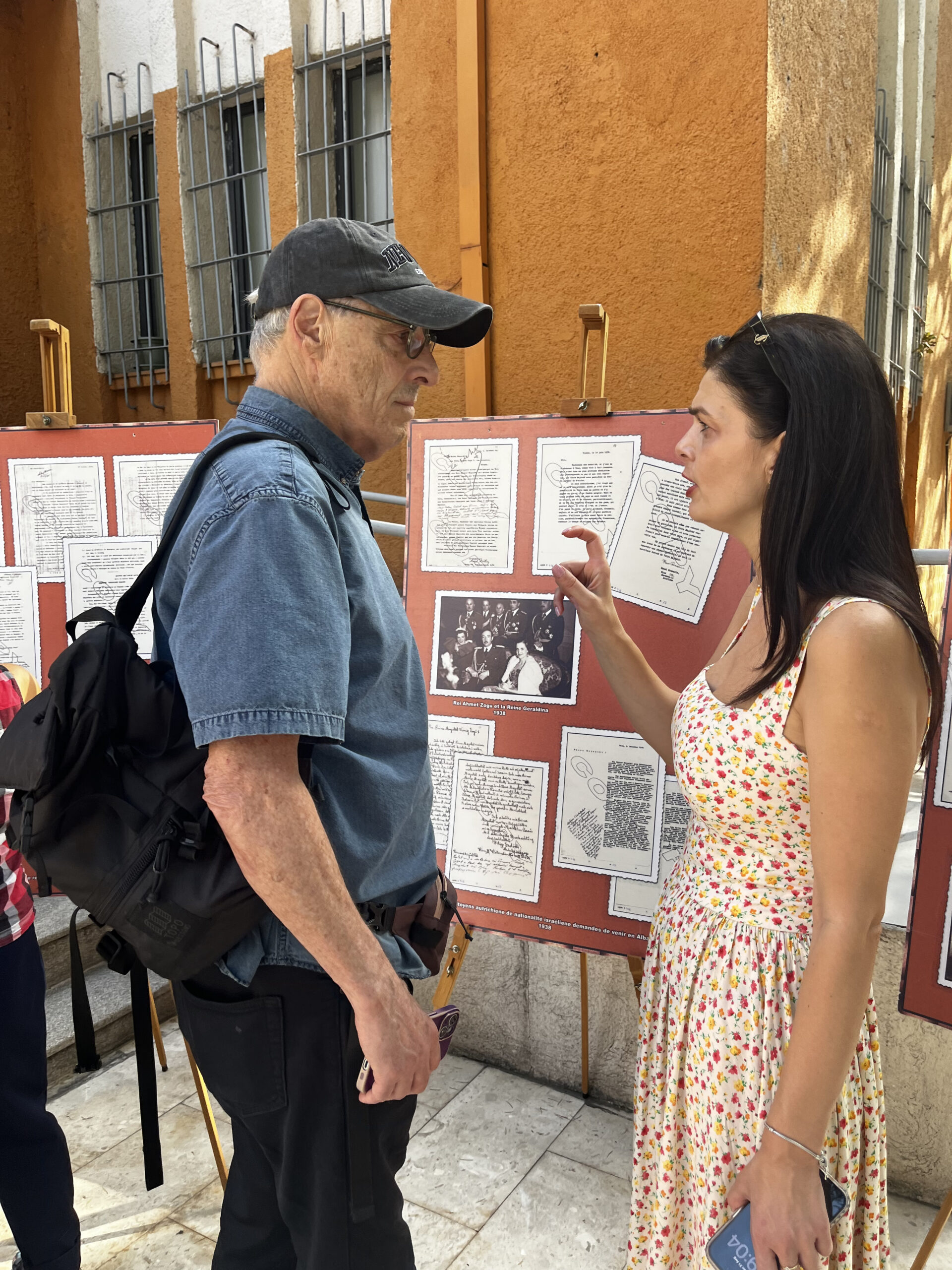
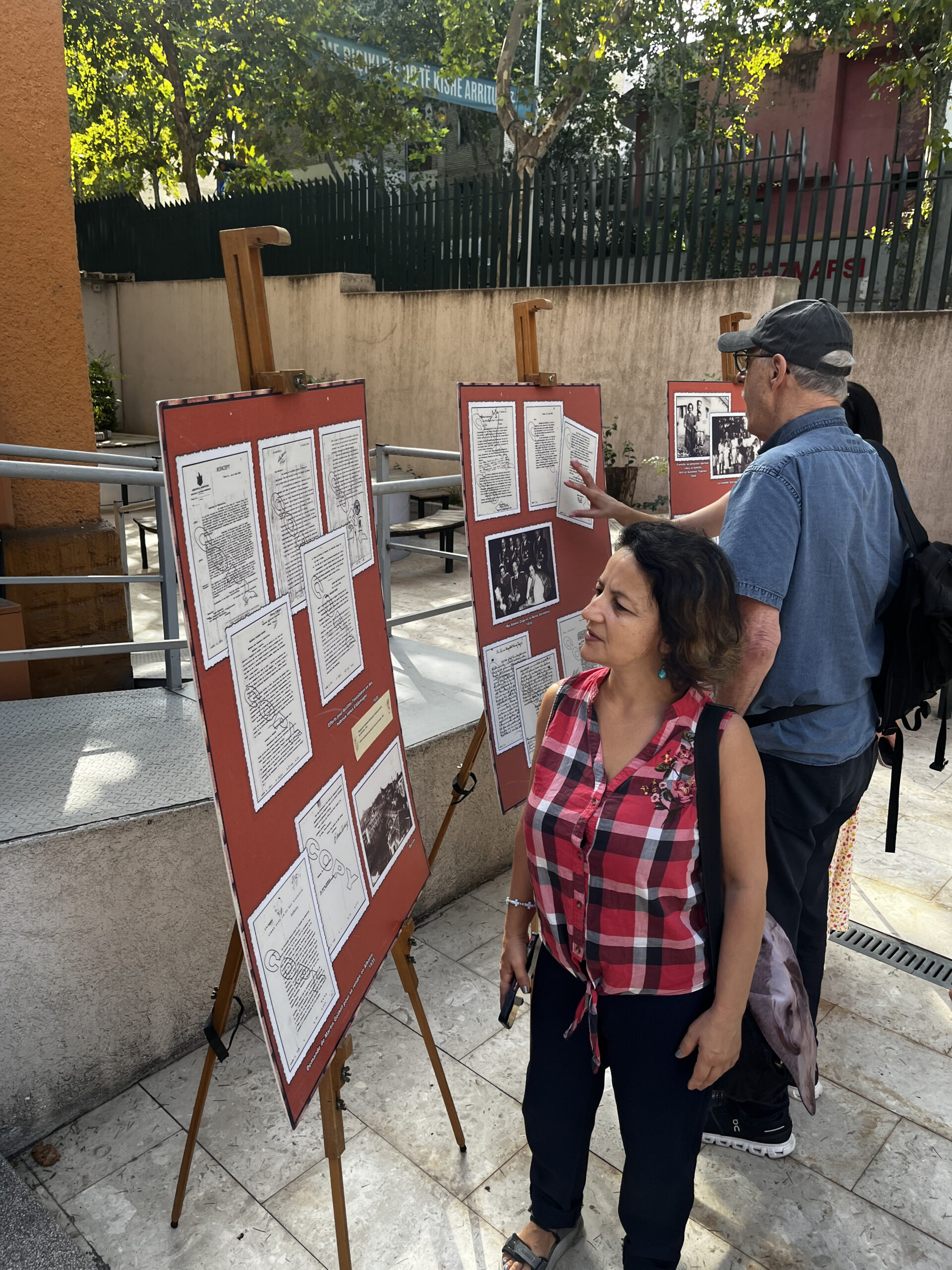
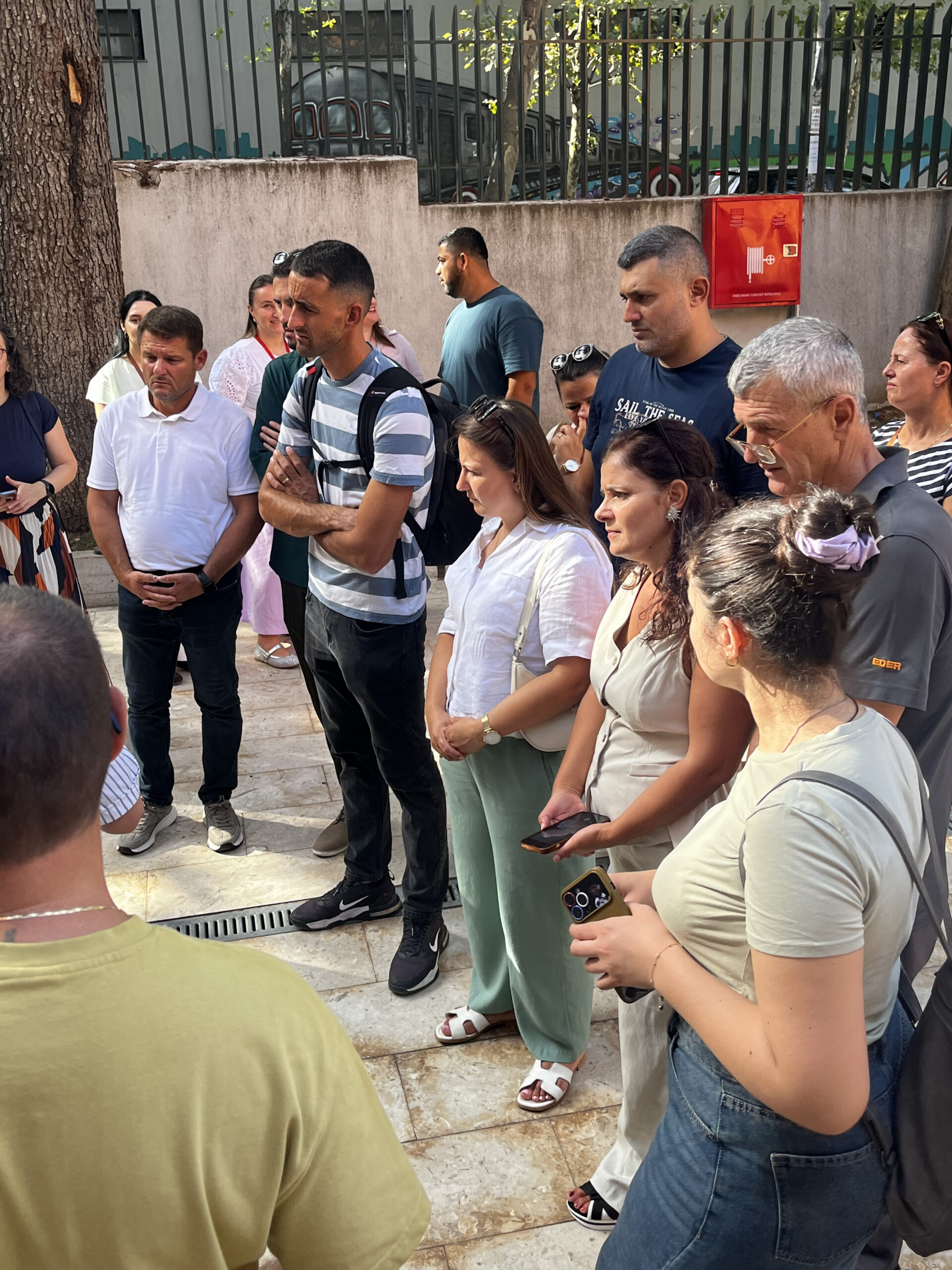
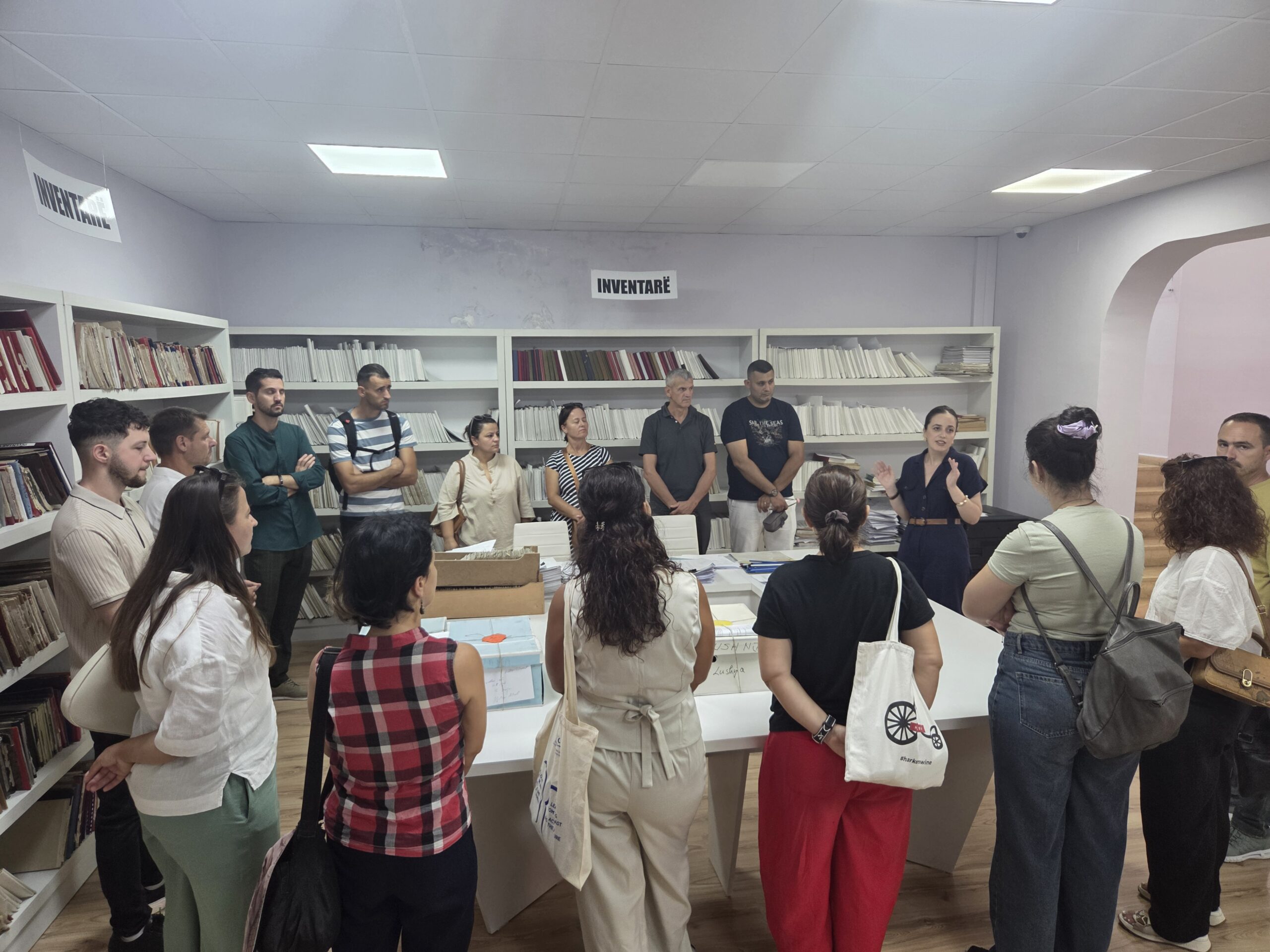
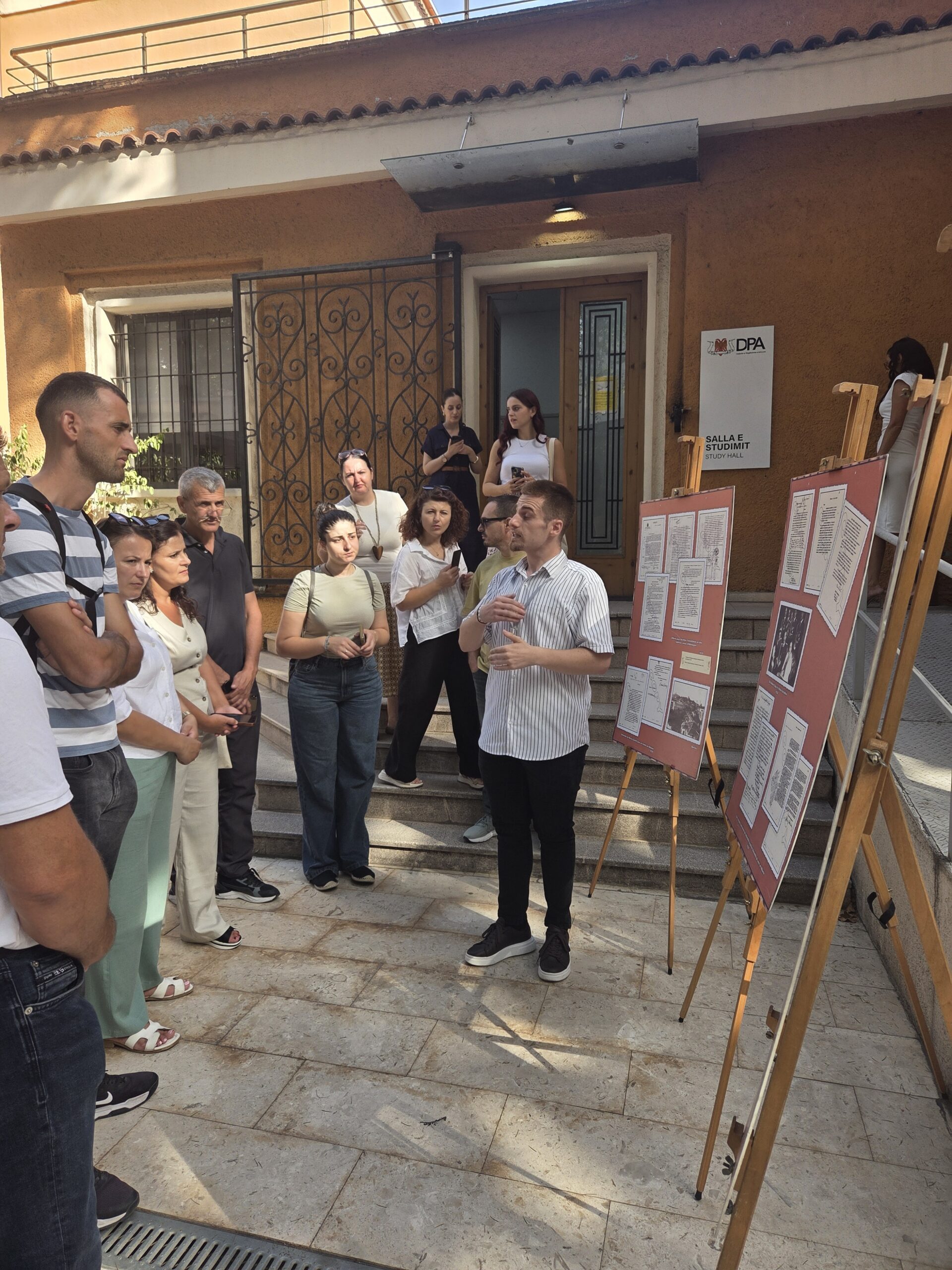
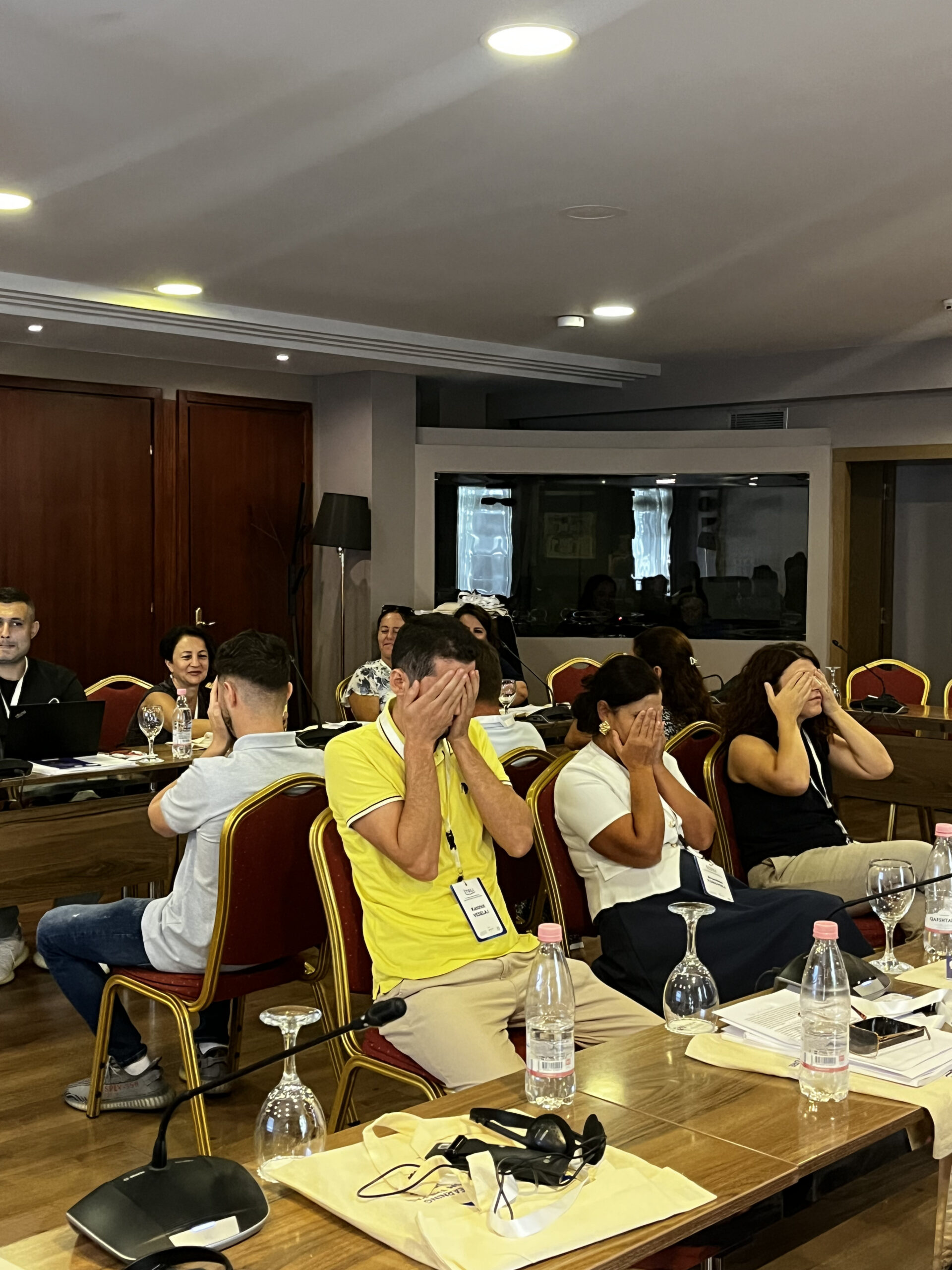
Experiential learning was an important part of the program. Participants visited a State Archive exhibition on Jews in Albania, providing an opportunity to engage directly with historical sources and the history of Jewish life in the country. The seminar also incorporated discussion, reflection, and collaborative activities designed to help educators translate what they learned into meaningful classroom experiences.
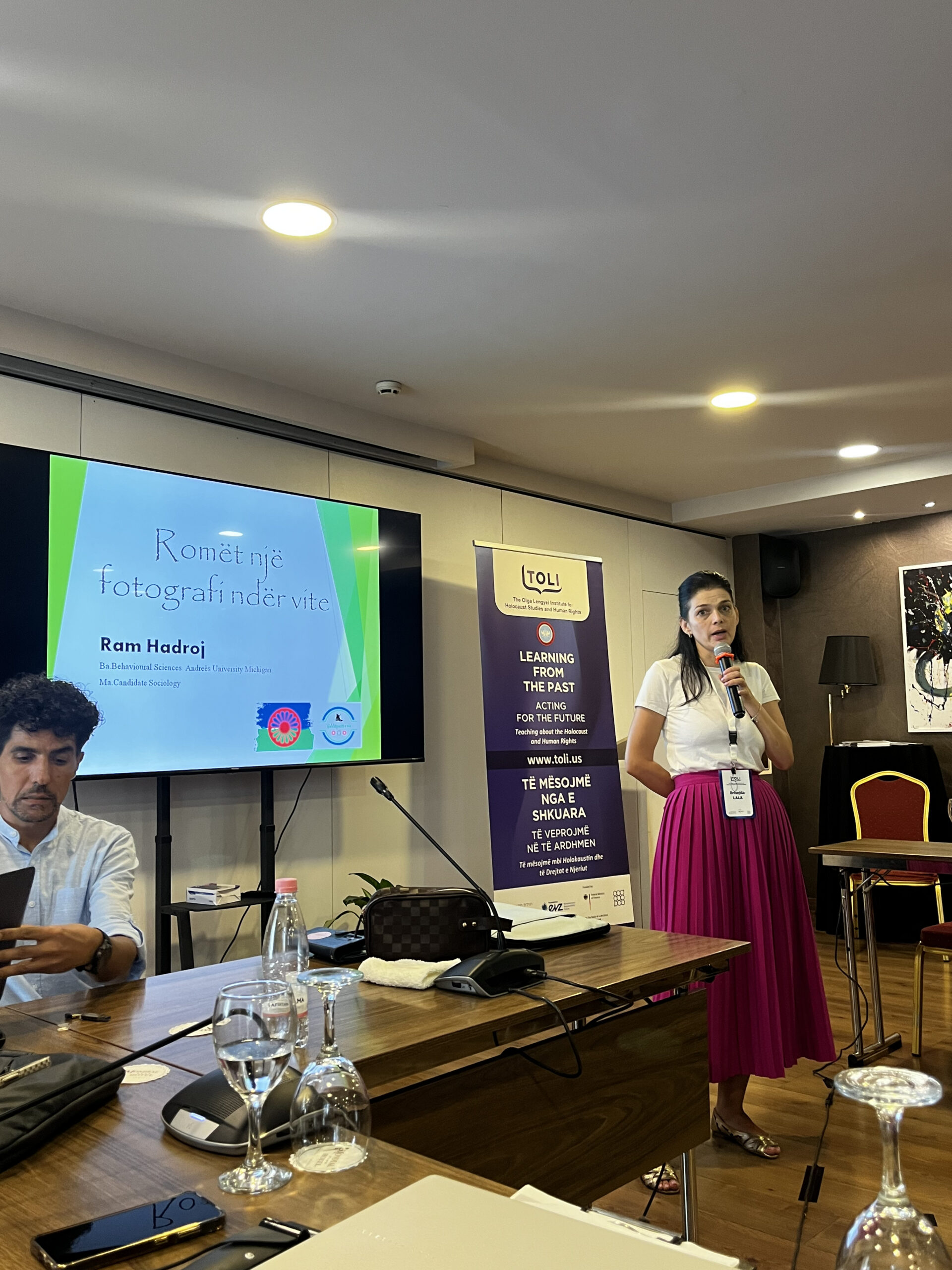
The seminar featured an international and multidisciplinary group of speakers. TOLI’s Associate Director of International Programs, Oana Bajka, led sessions on identity, stereotypes, prejudice, discrimination, Holocaust distortion, antisemitism, human rights education, and choices during the Holocaust. Peninah Zilberman, a daughter of Romanian Holocaust survivors and founder and CEO of the Tarbut Foundation in Sighet, Romania, shared a second-generation survivor perspective and discussed Jewish culture and traditions. Other contributors included historian Florin Zyberaj, who addressed Jewish life in Albania from 1939–1945; historian and educator Brisejda Lala, who explored methods and resources for teaching the Holocaust in Albania; and Lorenz Prager of the University of Vienna, whose research focuses on Holocaust education, digital games, and digital citizenship.
The program also broadened its exploration of historical injustice through sessions on Roma genocide and anti-Roma racism led by Ram Hadroj, as well as presentations addressing empathy, democratic culture, and the educational legacy of Albania’s complex twentieth-century history. By bringing together educators from across the region and connecting historical study with contemporary human rights concerns, the seminar encouraged participants to consider not only how to teach about the past, but how education can help students recognize prejudice, challenge misinformation, and make thoughtful choices in the present.
Following the seminar, participants will receive support to put their learning into practice through local projects with their students and collaborative initiatives with fellow TOLI seminar participants from other countries. The program was conducted with assistance from the Conference on Jewish Material Claims Against Germany and supported by the German Federal Ministry of Finance.
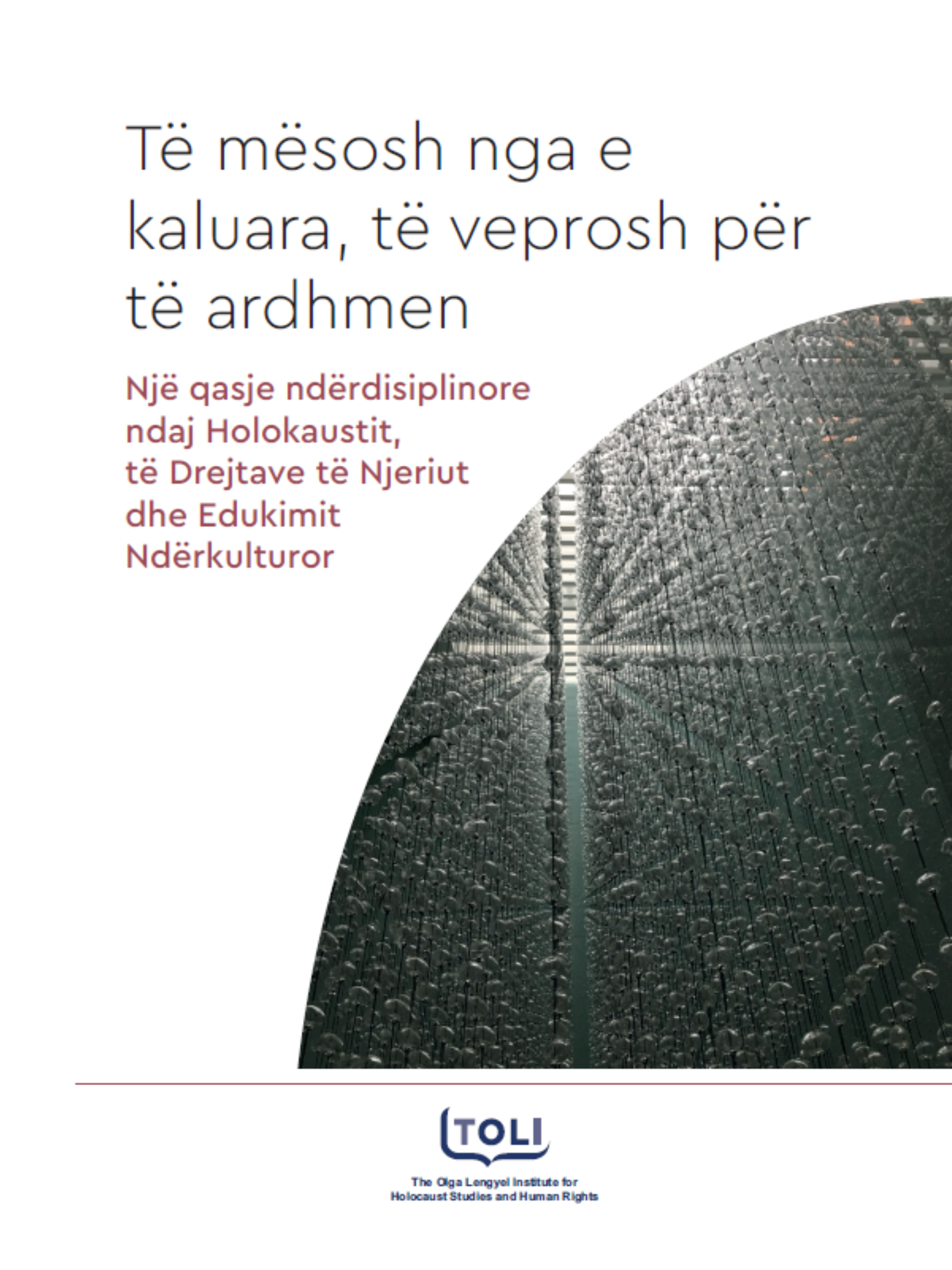
The handbook for teachers Learning from the Past, Acting for the Future – An Interdisciplinary Approach to Holocaust, Human Rights and Intercultural Education is freely available for download below.