Italy
Date: August 30-September 2, 2026
Location: Milan, Italy
Italy
TOLI has organized seminars for teachers on Holocaust and human rights education in Italy since 2018, in partnership with CDEC – Foundation Jewish Contemporary Documentation Center and BPM – Banca Popolare Milano Foundation.
TOLI’s Italy seminar brings together 30 educators from across the country to learn the importance of Holocaust and human rights. Through interdisciplinary methodology, teachers learn to use the lens of human rights to help their students understand how atrocities, like the Holocaust, are possible. The seminar starts with lessons on the role of identity and propaganda in shaping identities and intercultural relations – and the crucial role they played in making the Holocaust possible. Through site visits including synagogues and cemeteries, teachers learn about antisemitism in Italy, past and present, and Jewish life before and after the Holocaust. The seminar also includes presentations by leading experts on recent studies of antisemitism, hatred, intolerance, xenophobia, and racism. Participants engage in workshops about teaching the Holocaust through the use of photographs, digital testimony, and other online resources. They reflect together on ways to teach their students to become active citizens who stand up to injustices. Every year, the seminar takes place in a different part of Italy and is organized in partnership with the local Jewish community, universities, and other stakeholders. Participants leave the seminar with concrete action plans for putting their new knowledge into practice and for maintaining a network for sharing resources and support for initiatives on teaching the Holocaust, human rights, and social justice.
The objectives of the seminar are to:
- Develop teachers’ awareness of historical and current dialectical discussions concerning the Holocaust and other instances of social injustice
- Increase teachers’ knowledge of the historical debate on fascist anti-Jewish segregation planning and enable them to participate in today’s debate on hate speech in Italy
- Develop teachers’ understanding of the impact of stereotypes, prejudice, and discrimination at individual, group and social levels
- Deepen teachers’ knowledge of antisemitism in the contemporary age, on anti-Jewish fascist legislation, and on teaching with historiographical sources
- Understand and counter Holocaust distortion
- Promote innovative teaching methods through the use of web resources, didactic drama, and visits to sites of Jewish memory
From August 30 to September 2, 2026, educators gathered in Milan, Italy, for Learning from the Past – Acting for the Future: Teaching about the Holocaust and Human Rights. Developed in partnership with Fondazione CDEC (Center for Contemporary Jewish Documentation), the four-day program brought together historical scholarship, experiential learning, and practical teaching strategies to strengthen Holocaust and human rights education in Italy.
The program explored the history and legacy of the Holocaust while examining the contemporary implications of antisemitism, racism, discrimination, exclusion, and Holocaust denial and distortion. Educators deepened their understanding of Jewish life before and after the Holocaust and considered how stereotypes, prejudice, and discriminatory systems affected individuals and societies. A central goal was to equip teachers with tools to critically evaluate historical narratives, educational materials, and public discourse, while helping students recognize misinformation and contested memories.
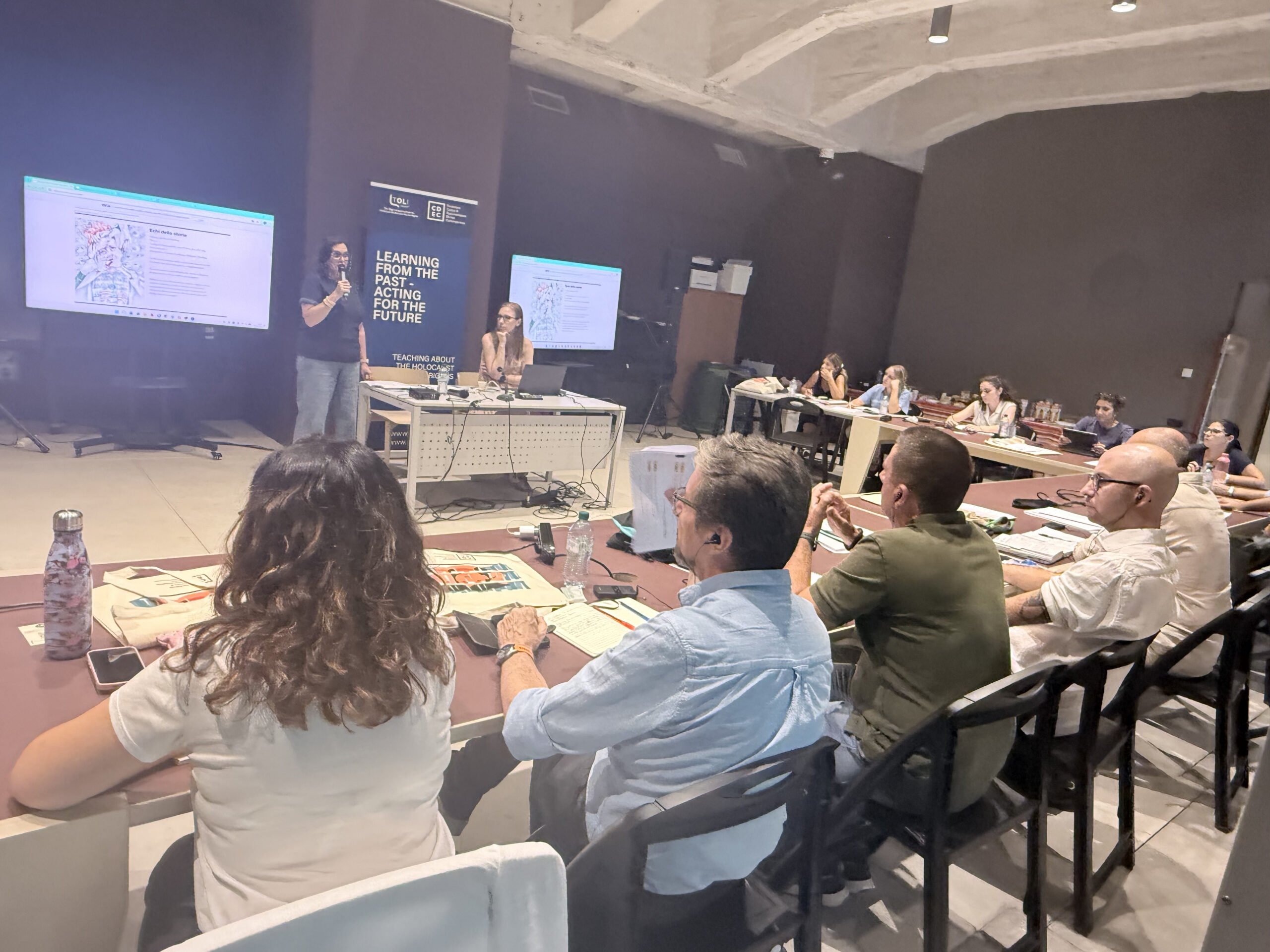
Throughout the seminar, participants learned from an interdisciplinary group of historians, educators, researchers, and community experts. Gadi Luzzatto Voghera and Michele Sarfatti of CDEC addressed the deportation of Jews from Italy, the country’s anti-Jewish Fascist laws, and Holocaust denial and distortion. TOLI’s Oana Nestian-Sandu led sessions on identity, stereotypes, discrimination, and Holocaust and human rights education. Other sessions examined contemporary anti-Roma racism with Stefano Pasta of the Catholic University of the Sacred Heart and the Roma genocide with Raul Carstocea of Maynooth University. Giovanna d’Amico of the University of Messina explored the postwar reintegration of Jews in Italy, while Saverio Colacicco, Francesca Malvezzi, and Stefania Stecchini examined how Italian banks confronted anti-Jewish measures during the Fascist period. Additional sessions addressed cognitive bias, antisemitism, media and hate speech, Jewish refugees and displaced persons, and the immediate postwar period.
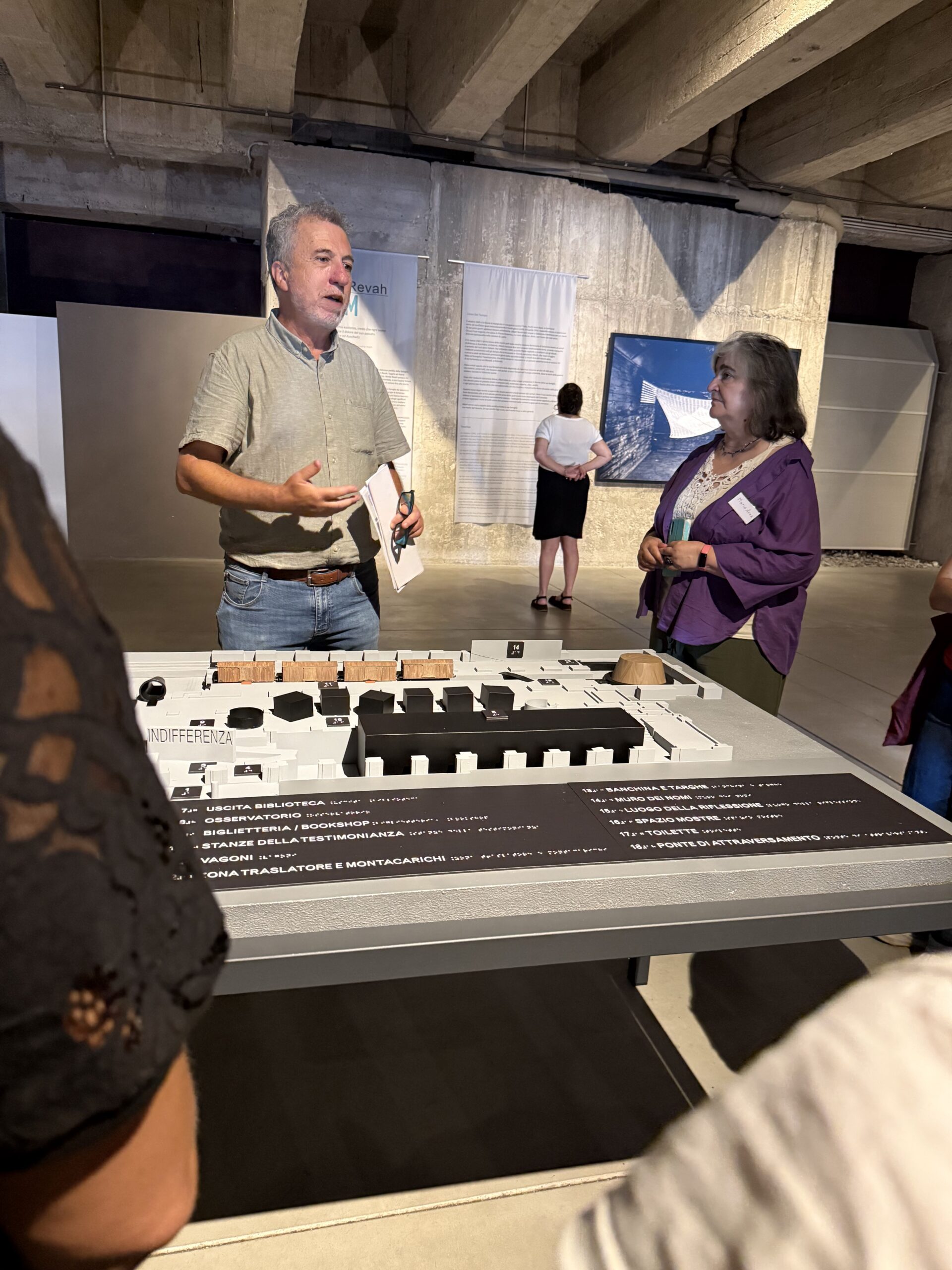
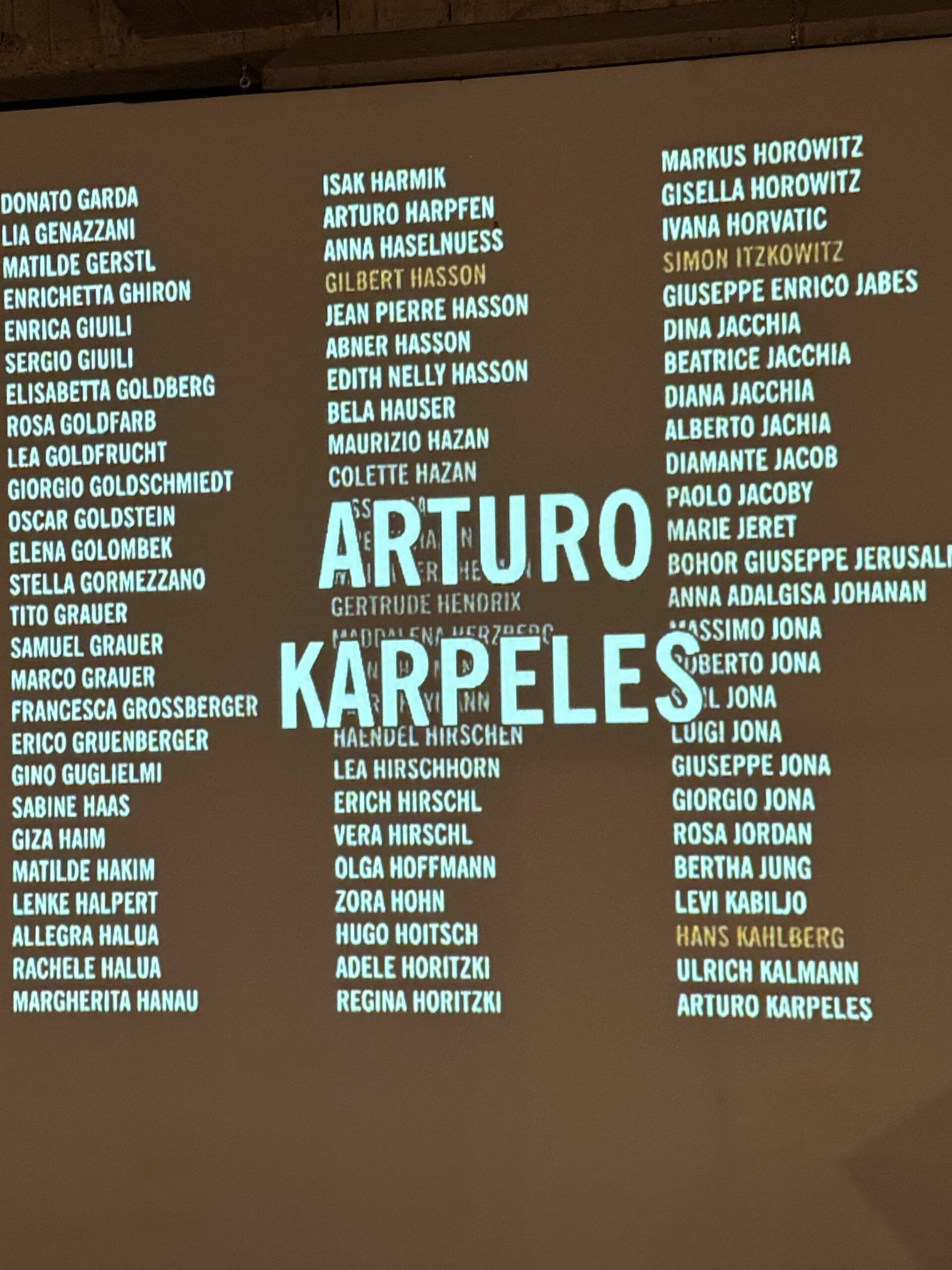
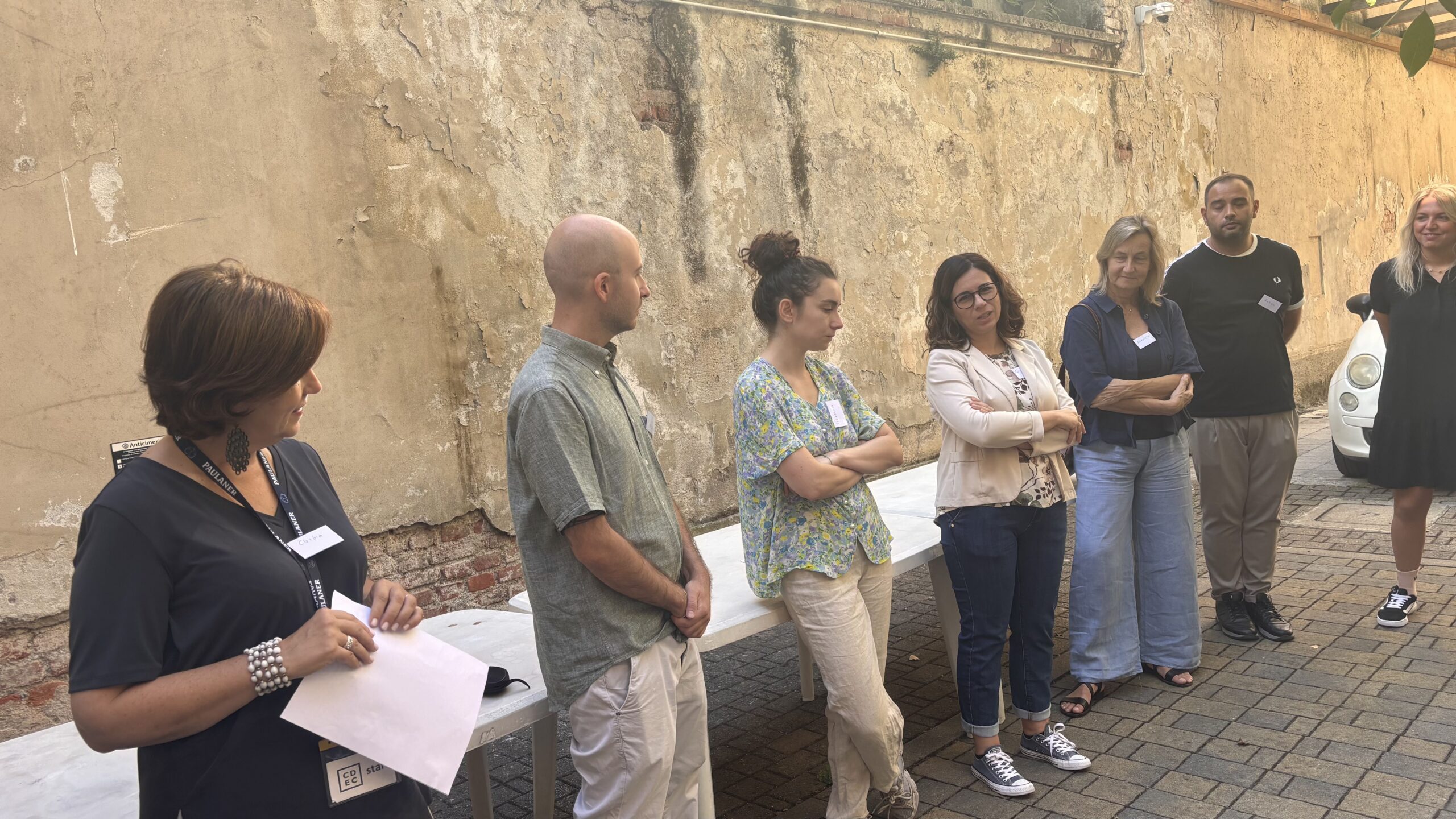
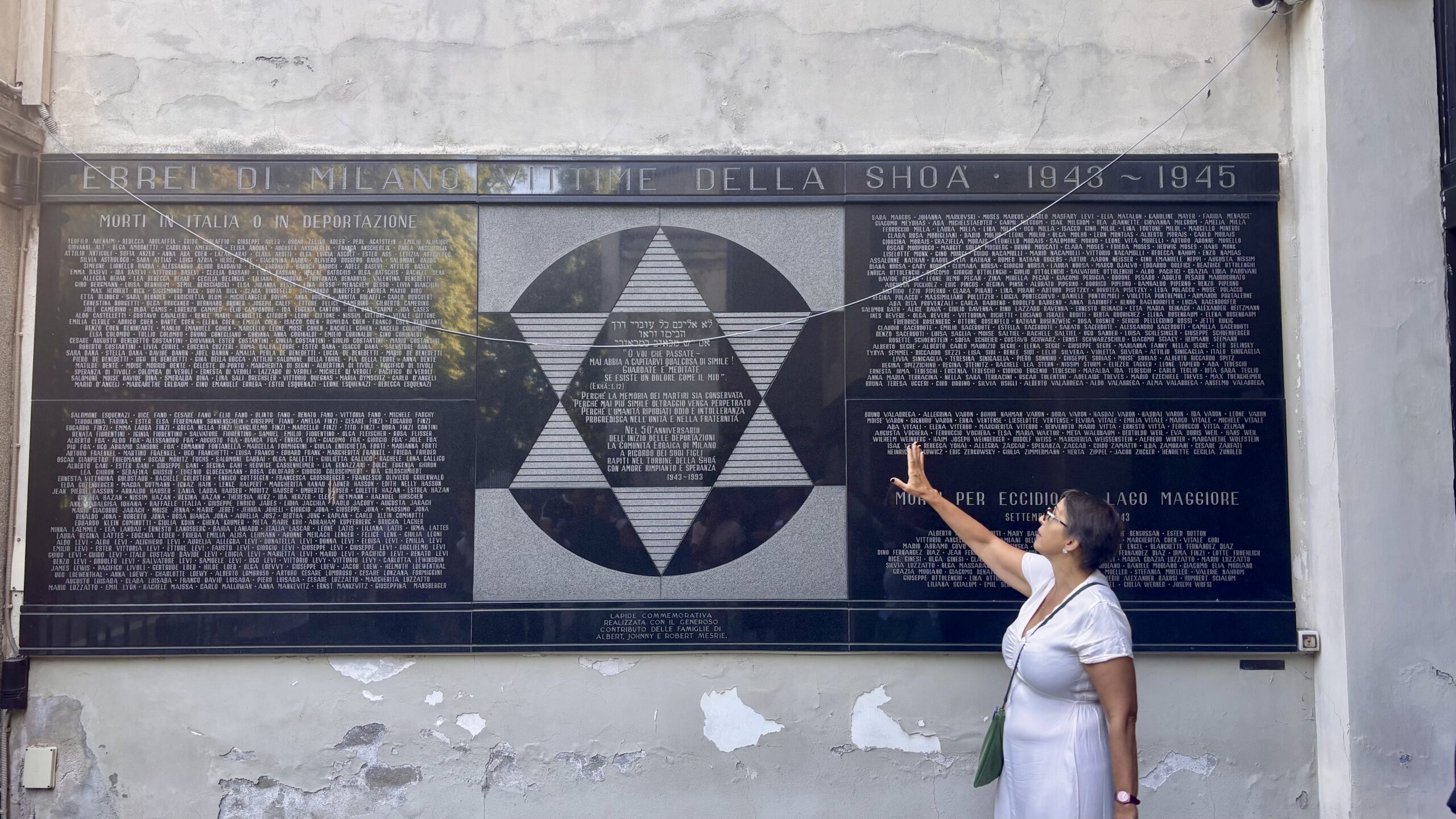
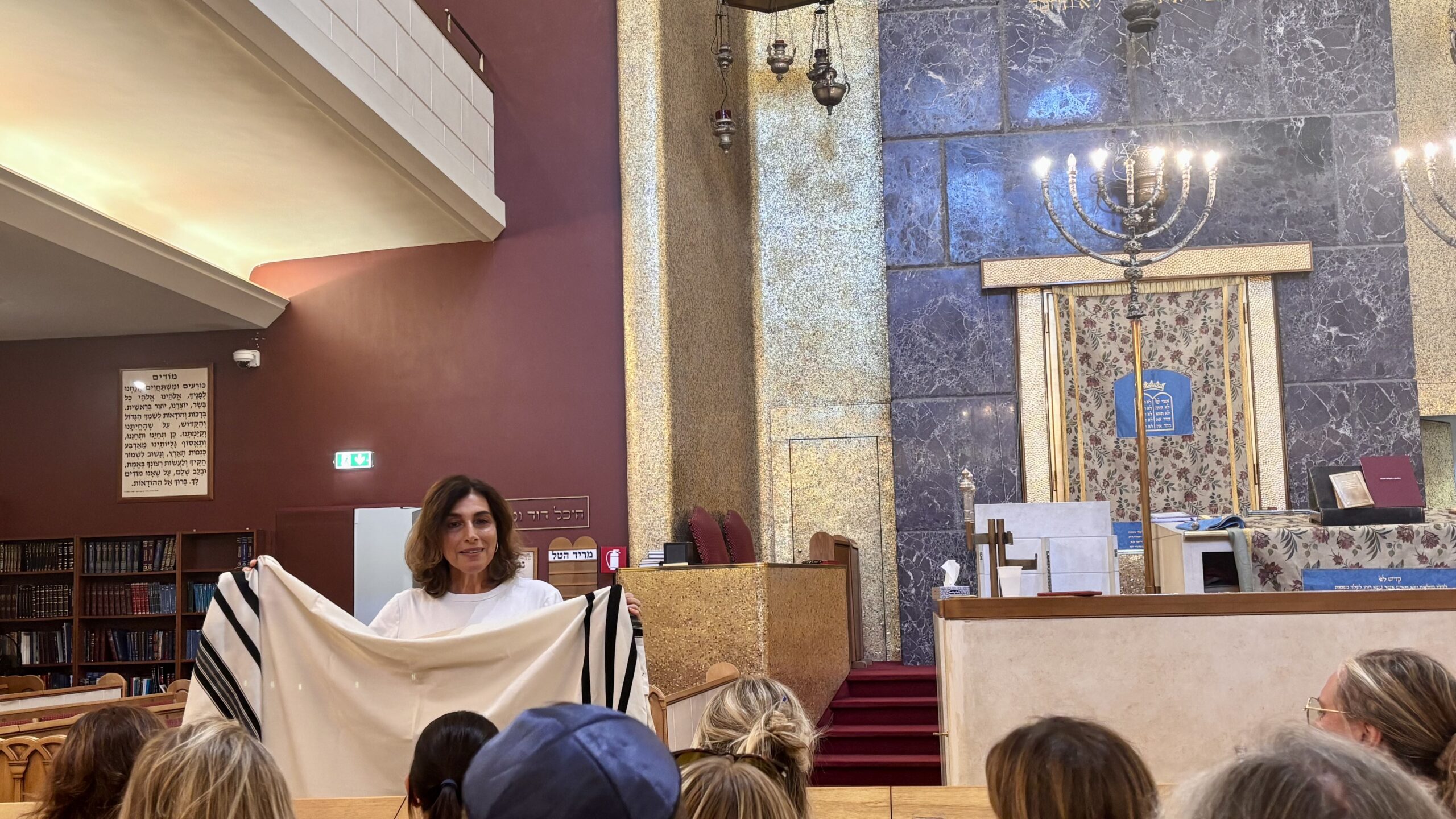
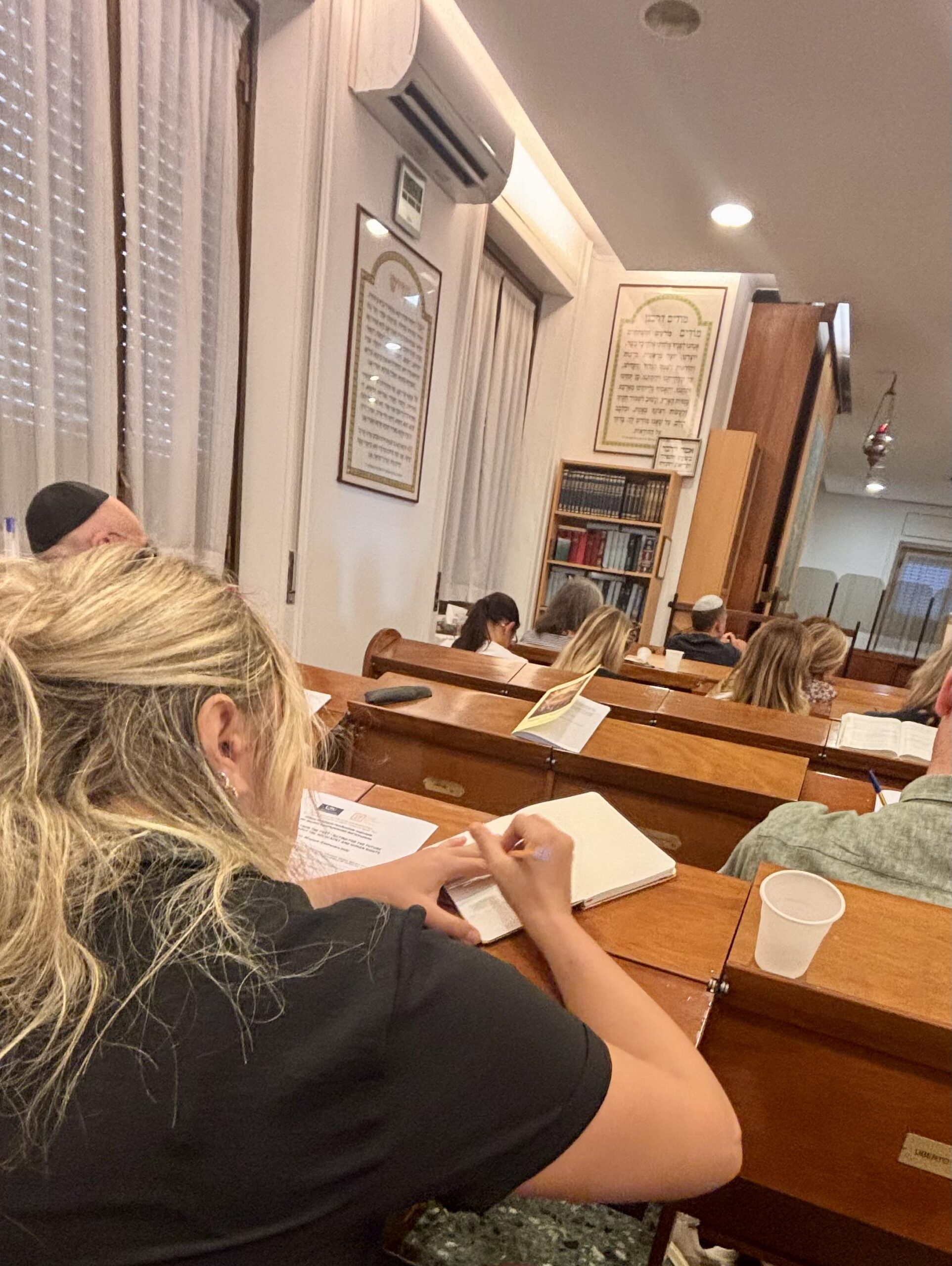
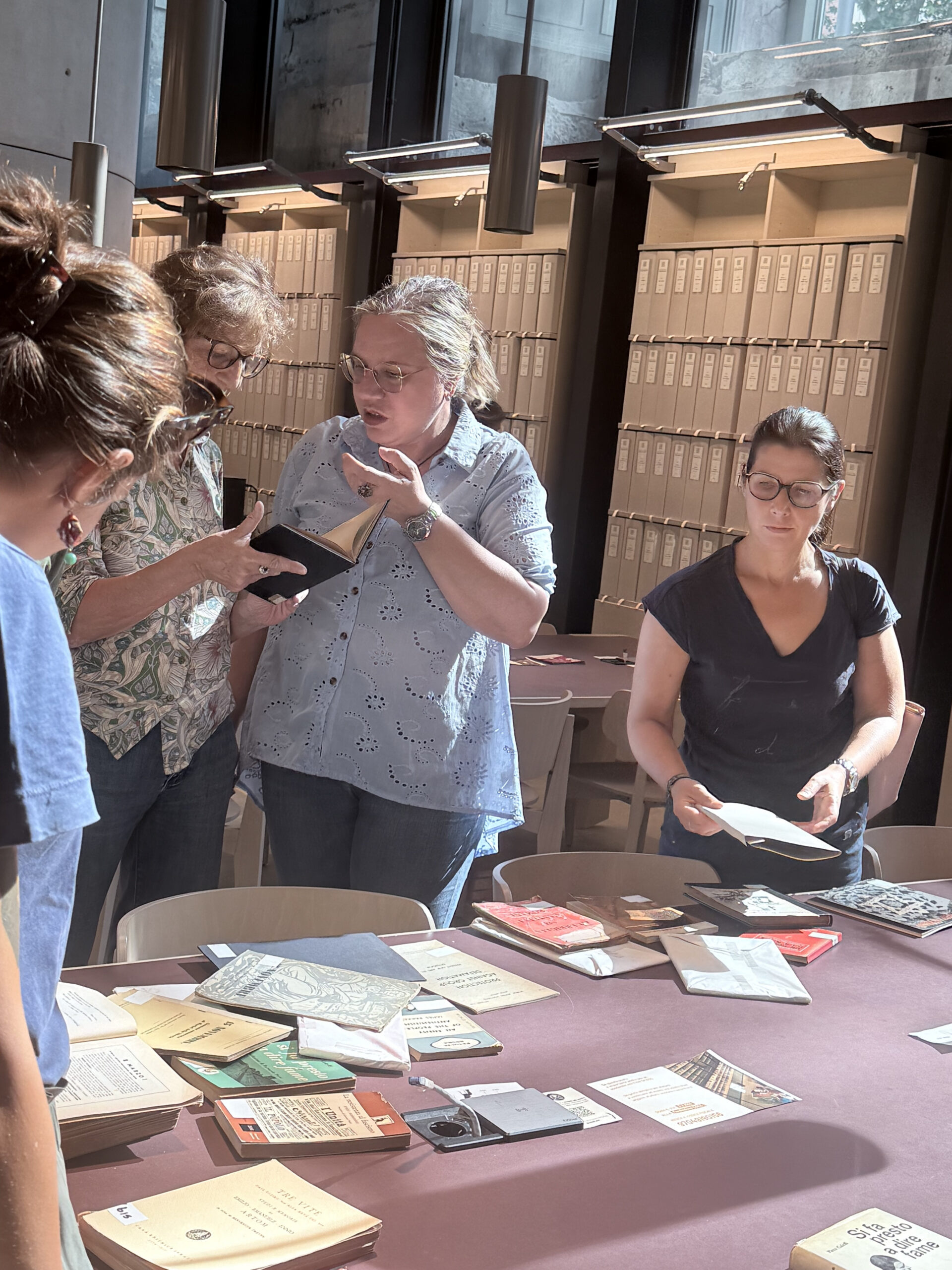
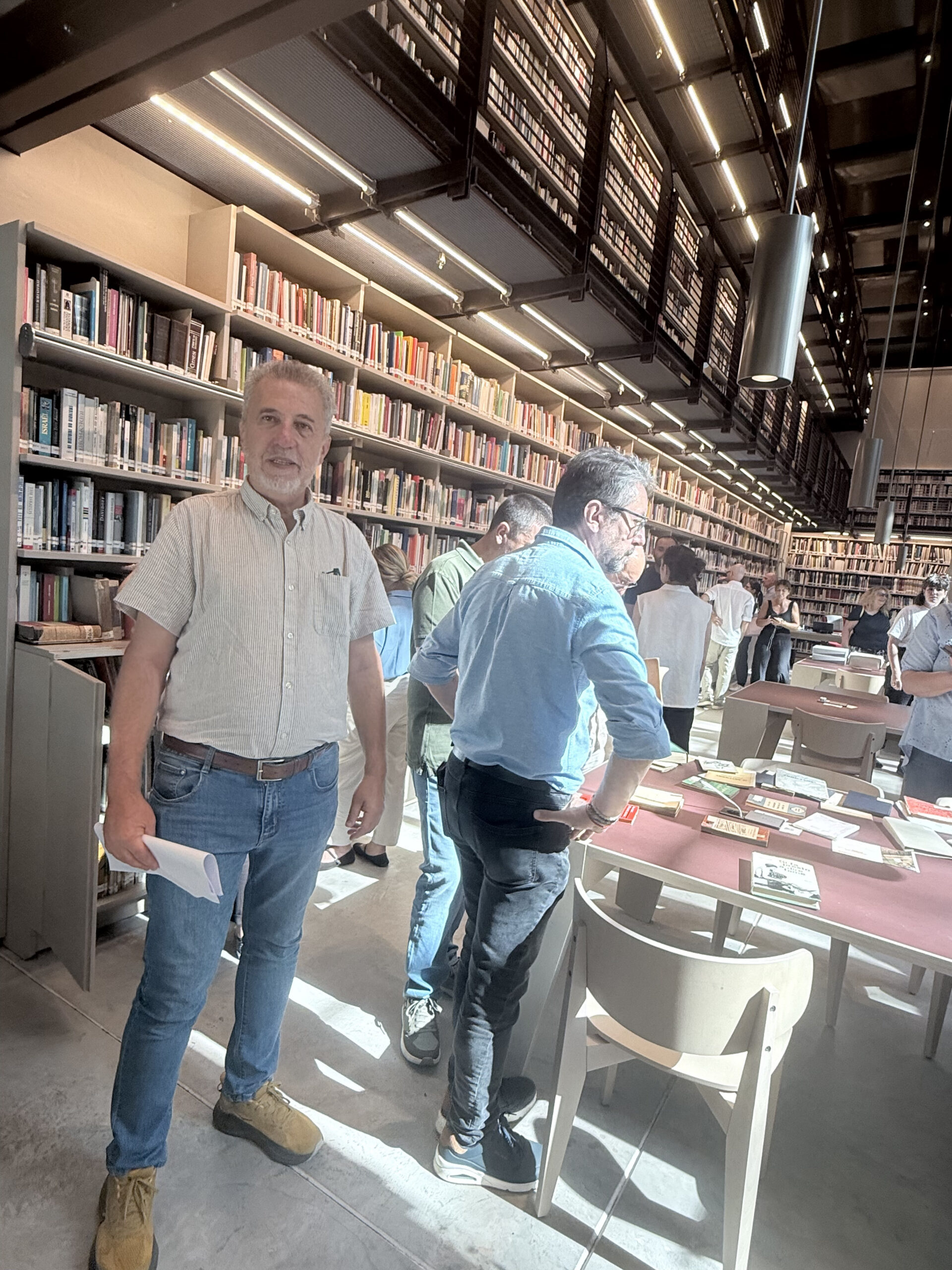
Experiential learning was central to the program, with participants visiting significant Jewish and Holocaust-related sites throughout Milan. At the Memoriale della Shoah, educators examined the deportation of Jews from Italy within the broader European context. The group also visited the Central Synagogue Hechal David U-Mordechai and Yoseph Veeliahu Synagogue, where participants took part in a guided tour, and the former Jewish School of Milan on Via Eupili, where they learned about Jewish education during the years of persecution and in the postwar period.
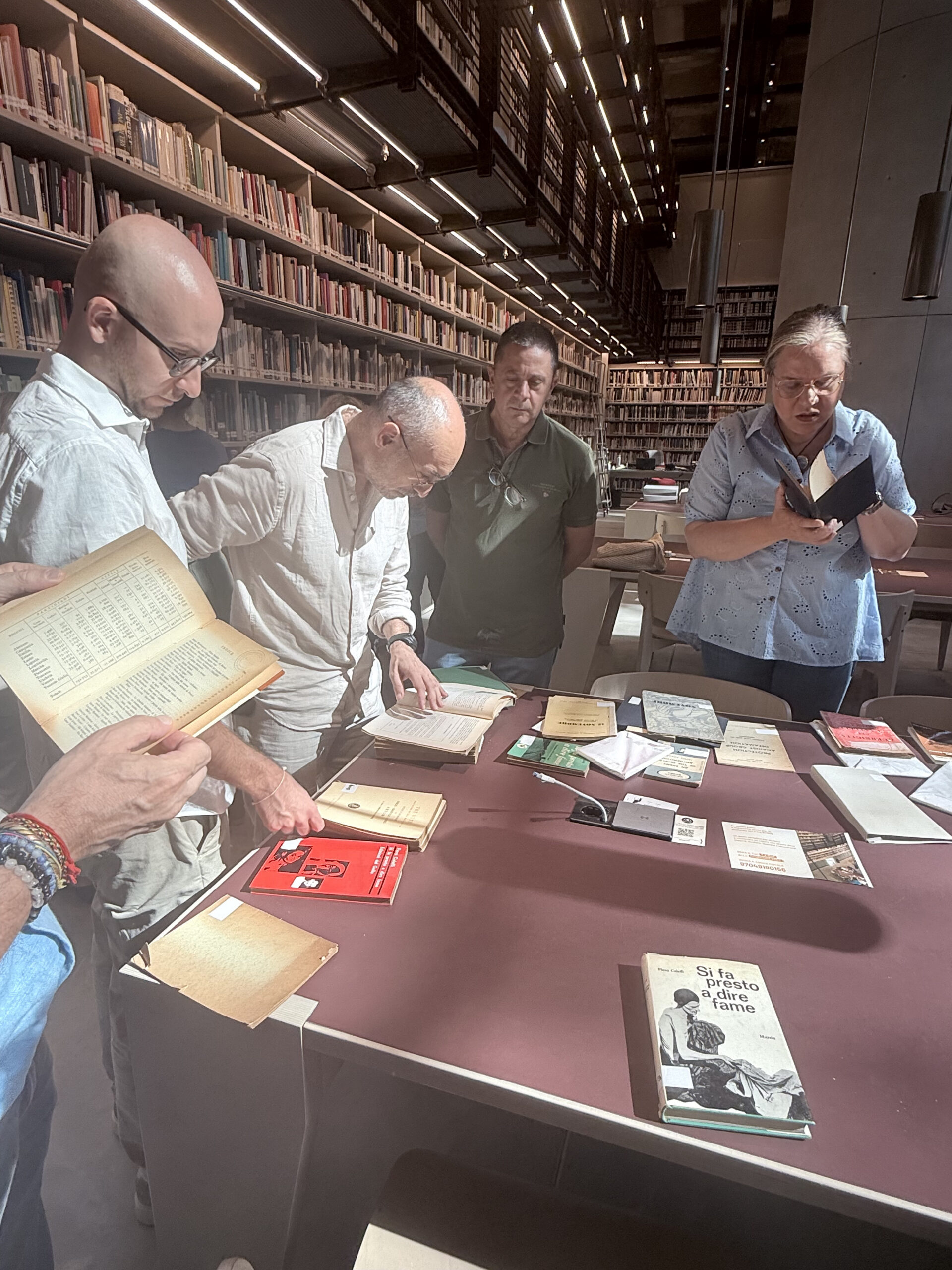
The seminar provided a unique opportunity to explore Holocaust history through institutional archives. At the UniCredit historical archive, participants examined the experiences of Jewish employees and Italian banks’ responses to anti-Jewish legislation. At CDEC, educators visited the library and lab and explored archival materials documenting the return to life of Italian and foreign Jews in Italy. A visit to the CDEC Foundation archives provided further insight into the experiences of Jewish refugees and displaced persons in the years immediately following the Holocaust.
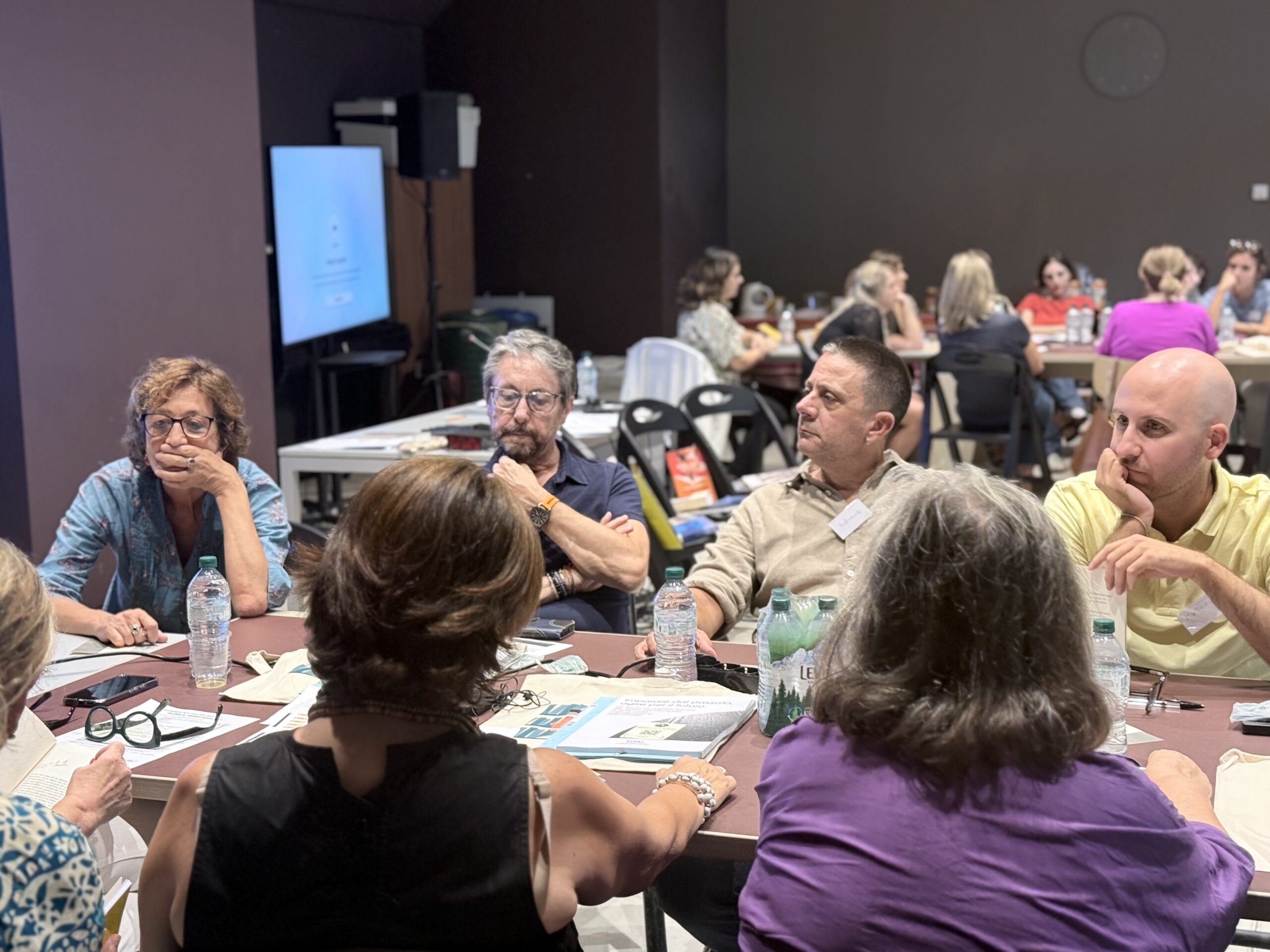
Alongside historical content and site visits, the program emphasized innovative, student-centered teaching methods. Participants engaged in discussions, group work, videos, reflection, guest presentations, and experiential activities, with the overall methodology grounded in experiential learning and a human rights-based approach. The seminar concluded with educators developing action plans and school projects that translated their learning into meaningful classroom practice.
With 32 academic hours of programming, the Milan seminar offered educators an opportunity to connect Italy’s Holocaust history with broader questions of human rights, democracy, memory, and social justice. By bringing together TOLI’s interdisciplinary approach with the expertise and resources of Fondazione CDEC, the program helped educators move from learning about the past toward empowering students to critically engage with the challenges of the present and future.
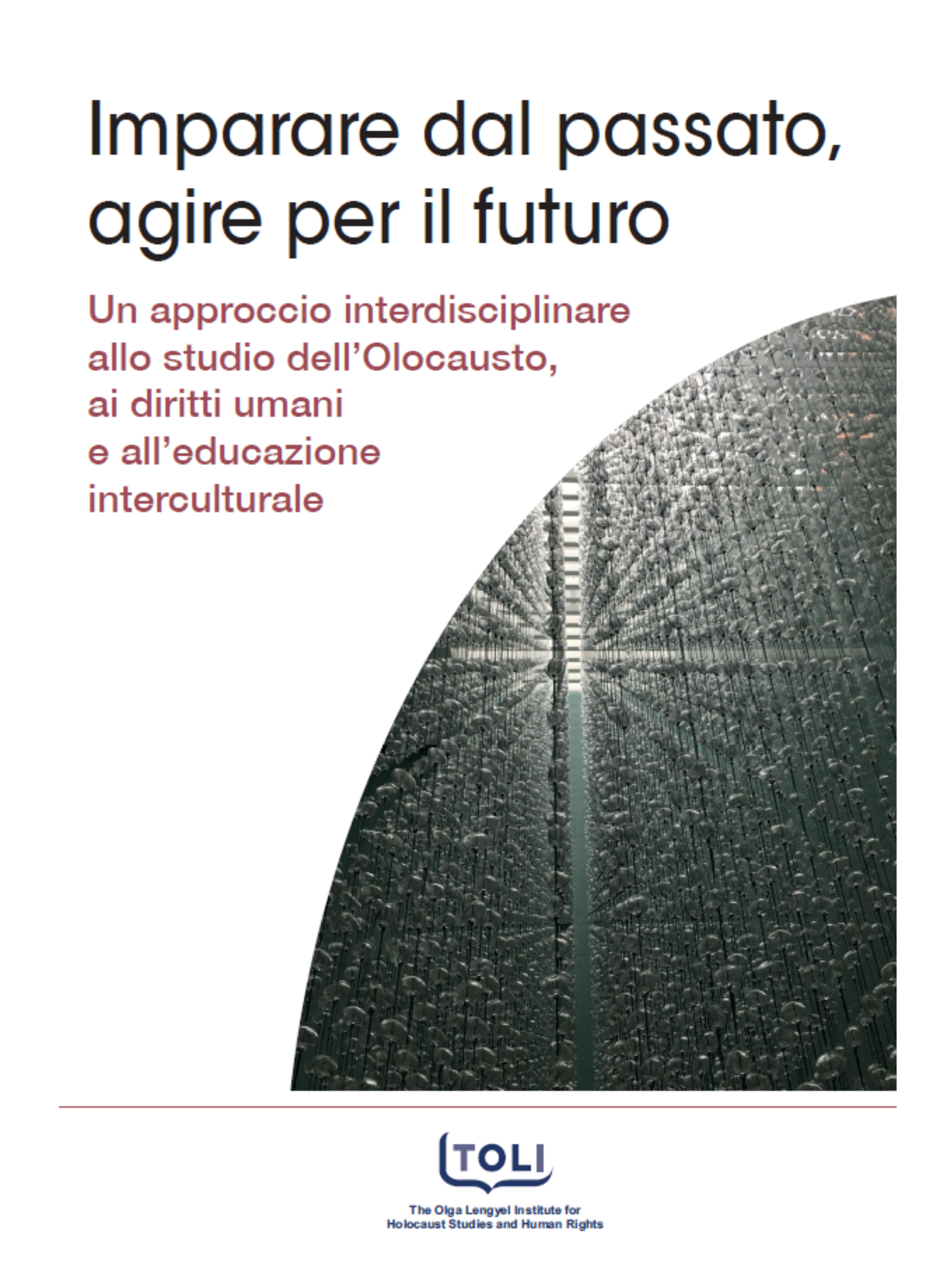
Download TOLI Handbook in Italian
Impact Grants
Graduates of the seminar have the opportunity to apply for an impact grant to develop projects related to Holocaust education and social justice. The grant consists of financial support and continuous mentorship throughout the school year. Every year, about 15 educators from Italy benefit from the TOLI Impact Grant Program.