We Hold These Truths to be Self-Evident: Teaching the Holocaust and Human Rights
Date: June 16-20, 2026
Location: Berea, Kentucky
About the 2026 Program
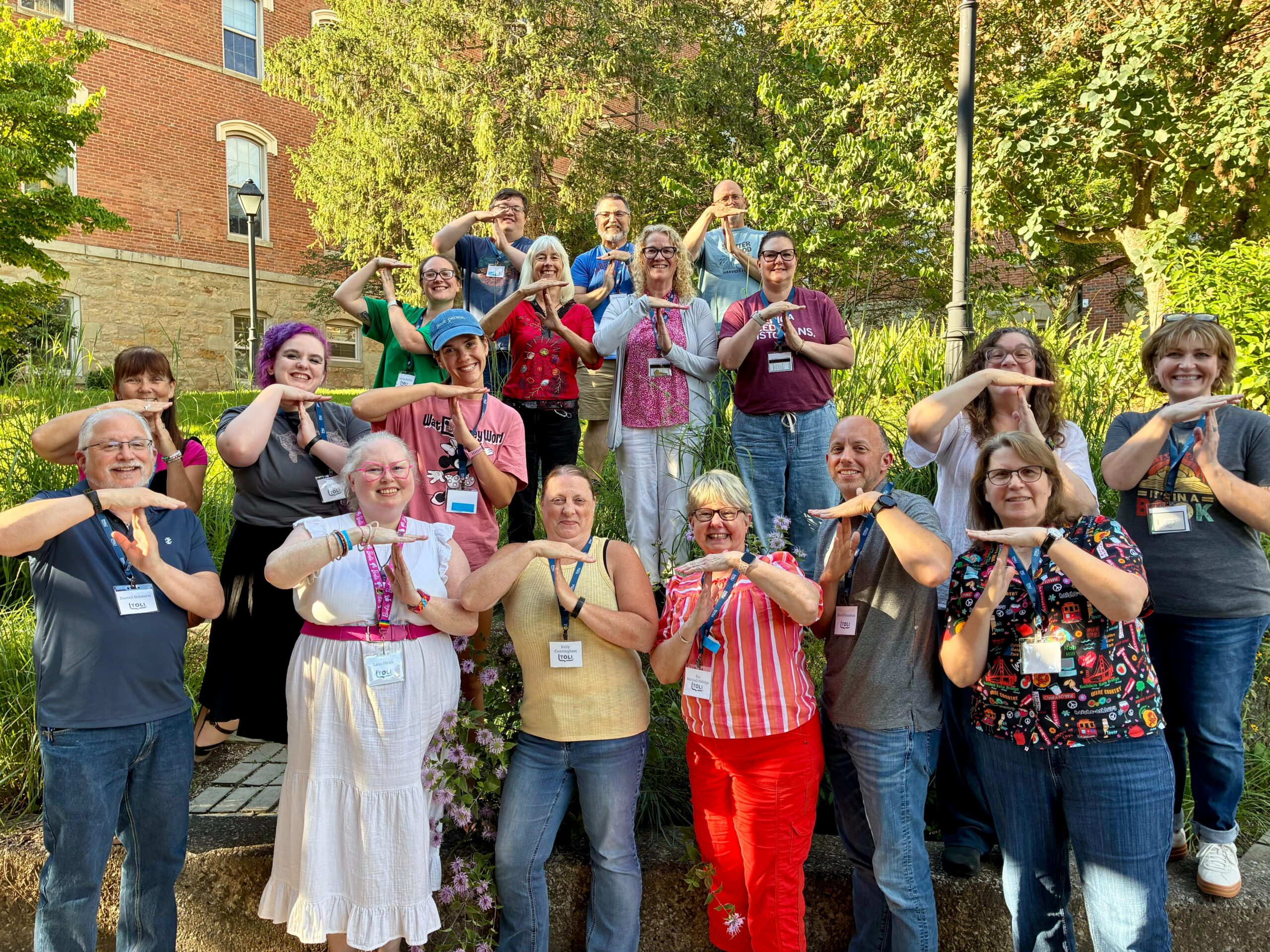
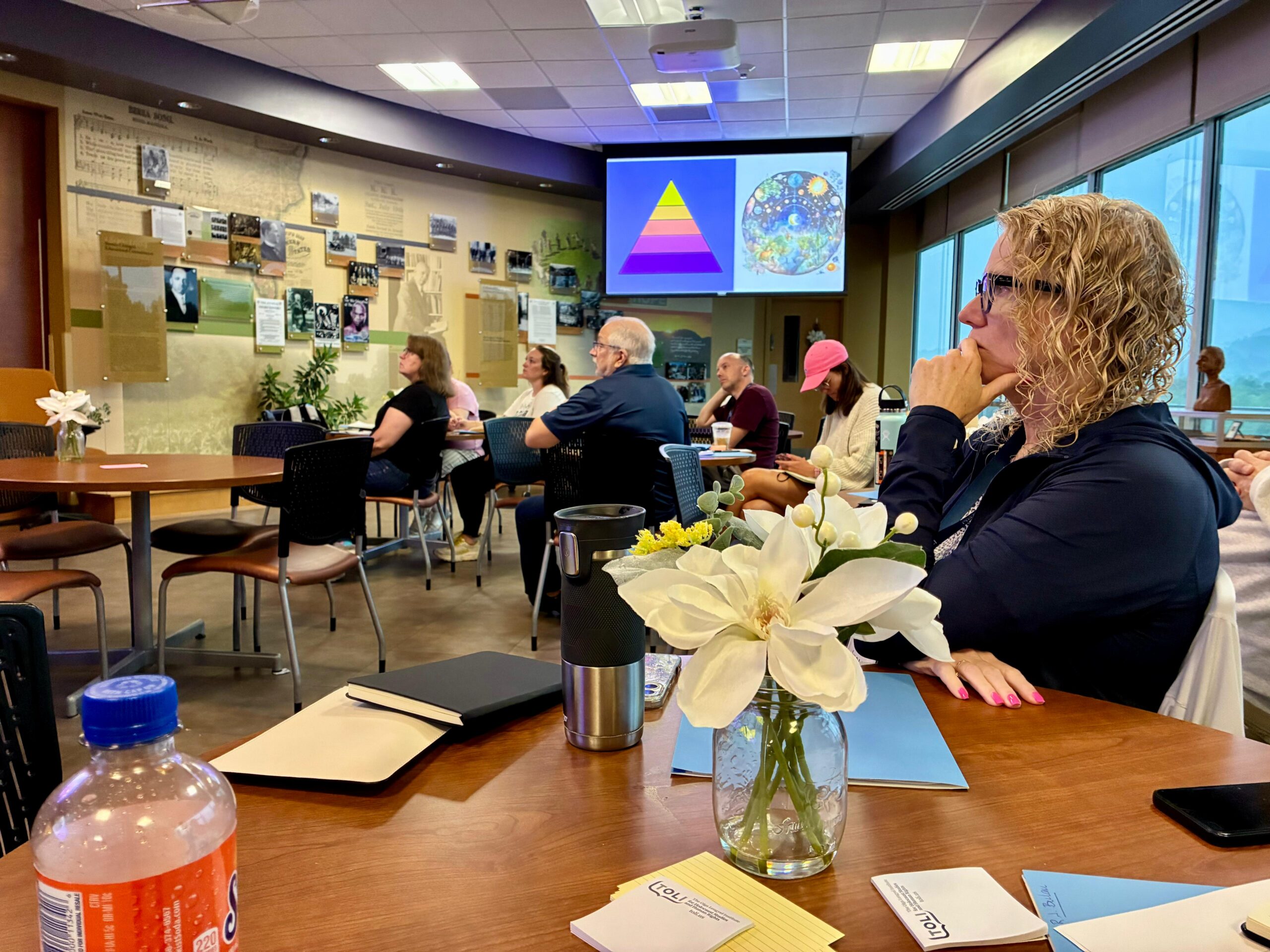
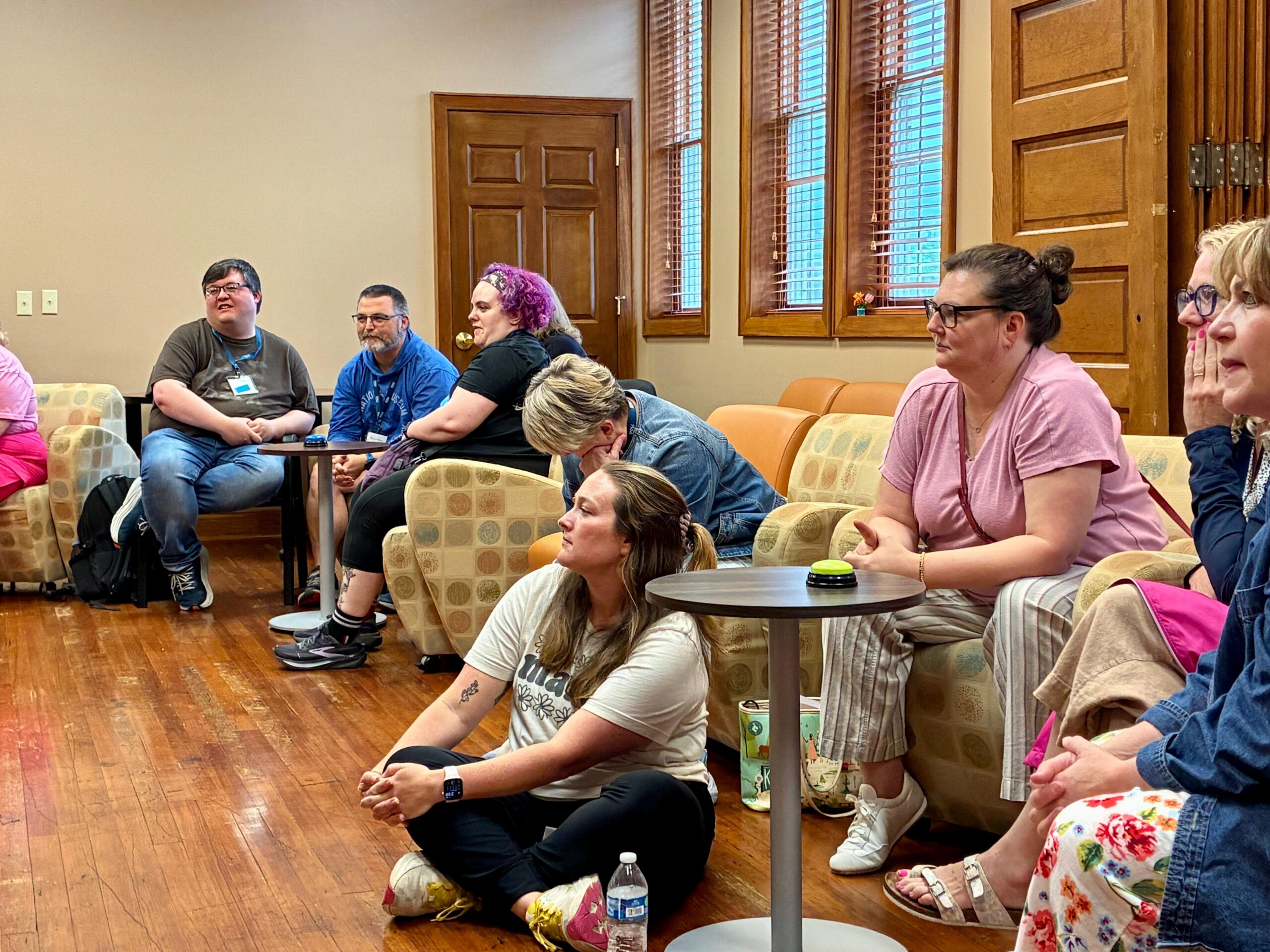
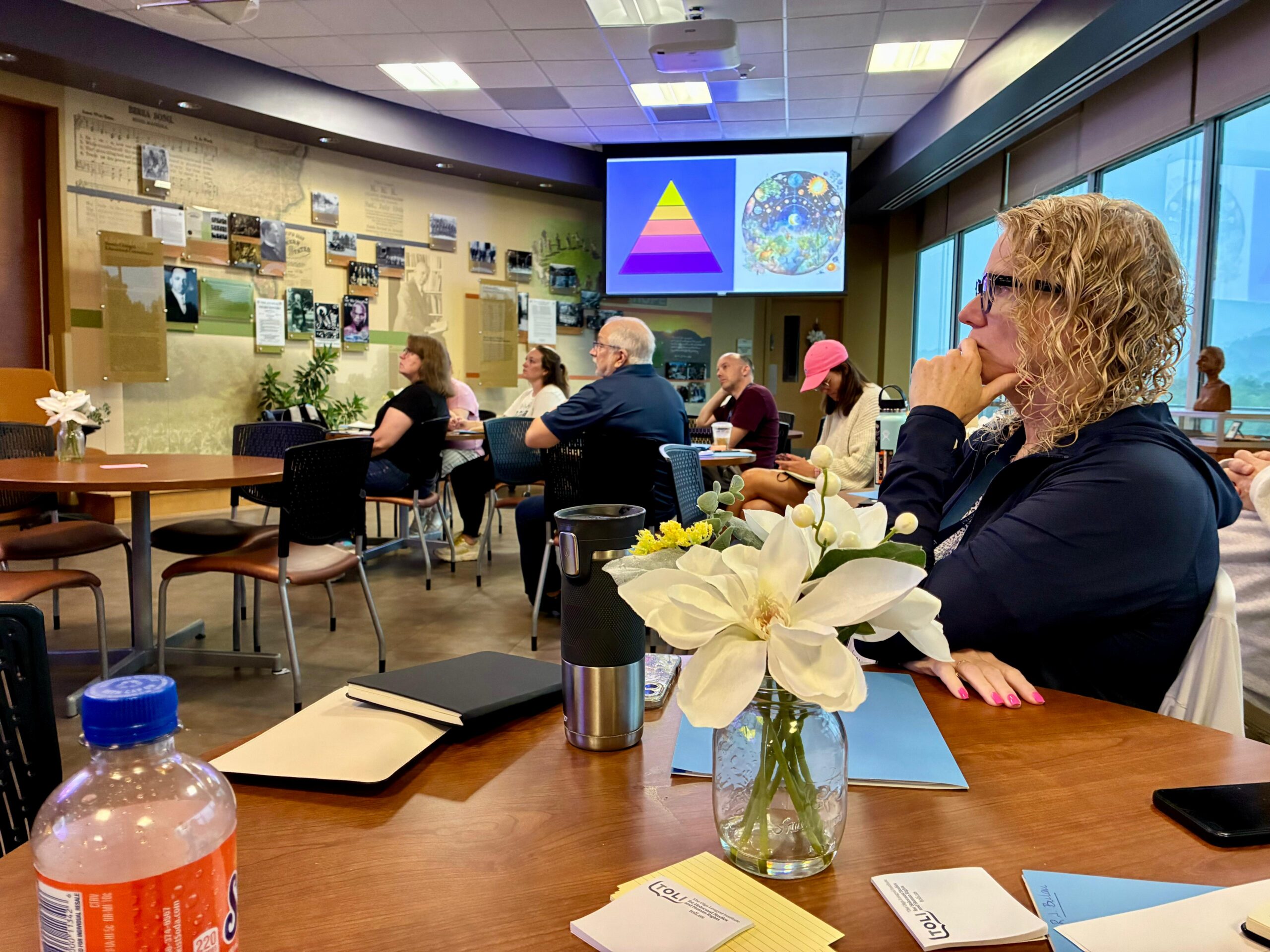
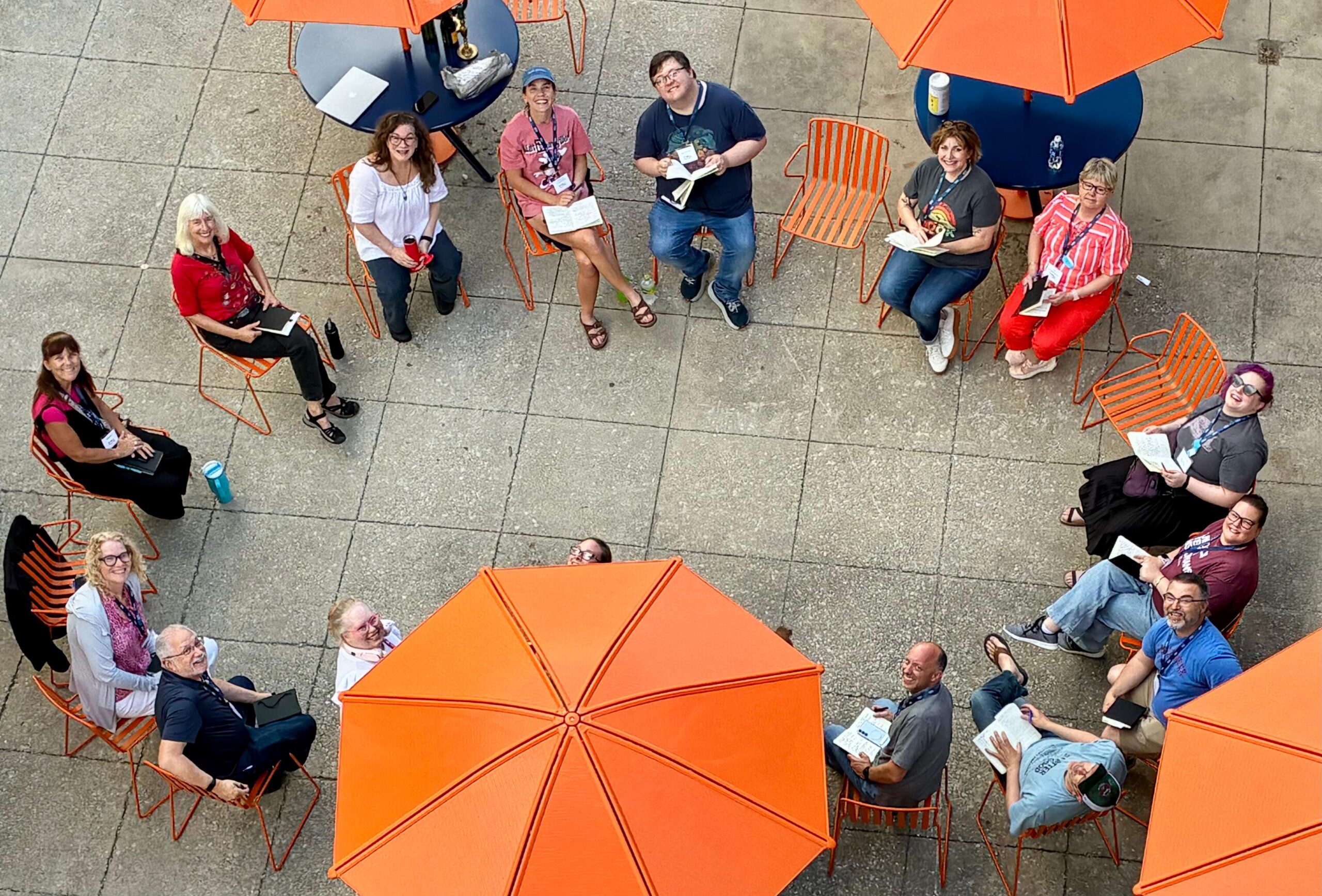
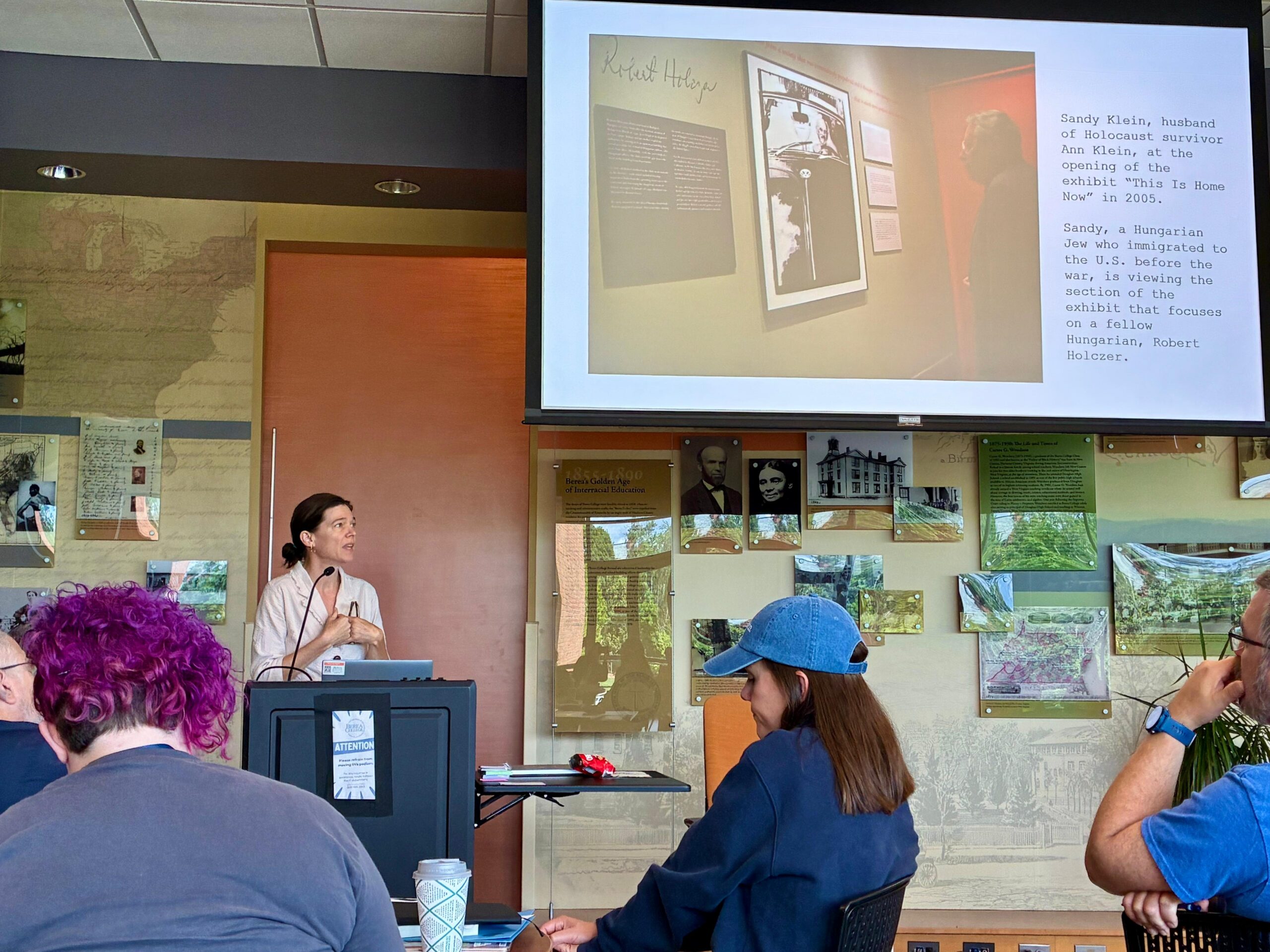
June 16-20 in Kentucky, educators gathered at Berea College and the Carter G. Woodson Center for Interracial Education for an engaging seminar exploring the Holocaust, human rights, and the role of education in strengthening democracy and human dignity.
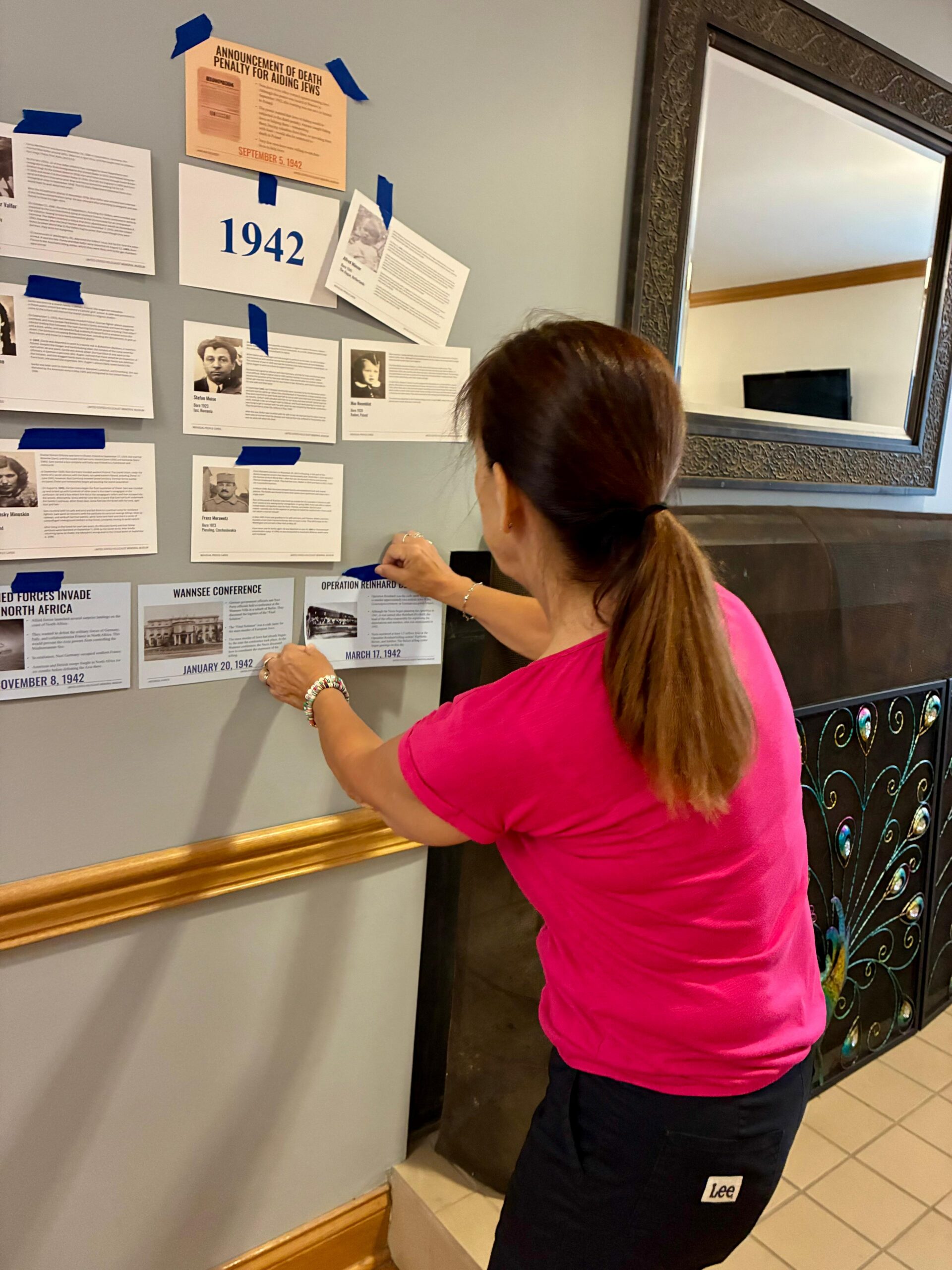
Through inquiry, discussion, and reflective writing, participants examined the Holocaust as a case study of systematic dehumanization and explored the evolution of human rights through interdisciplinary perspectives. Sessions addressed topics including antisemitism, the rise of fascism, the dismantling of democratic institutions, the Universal Declaration of Human Rights, Black history, eugenics, and inclusive teaching practices.
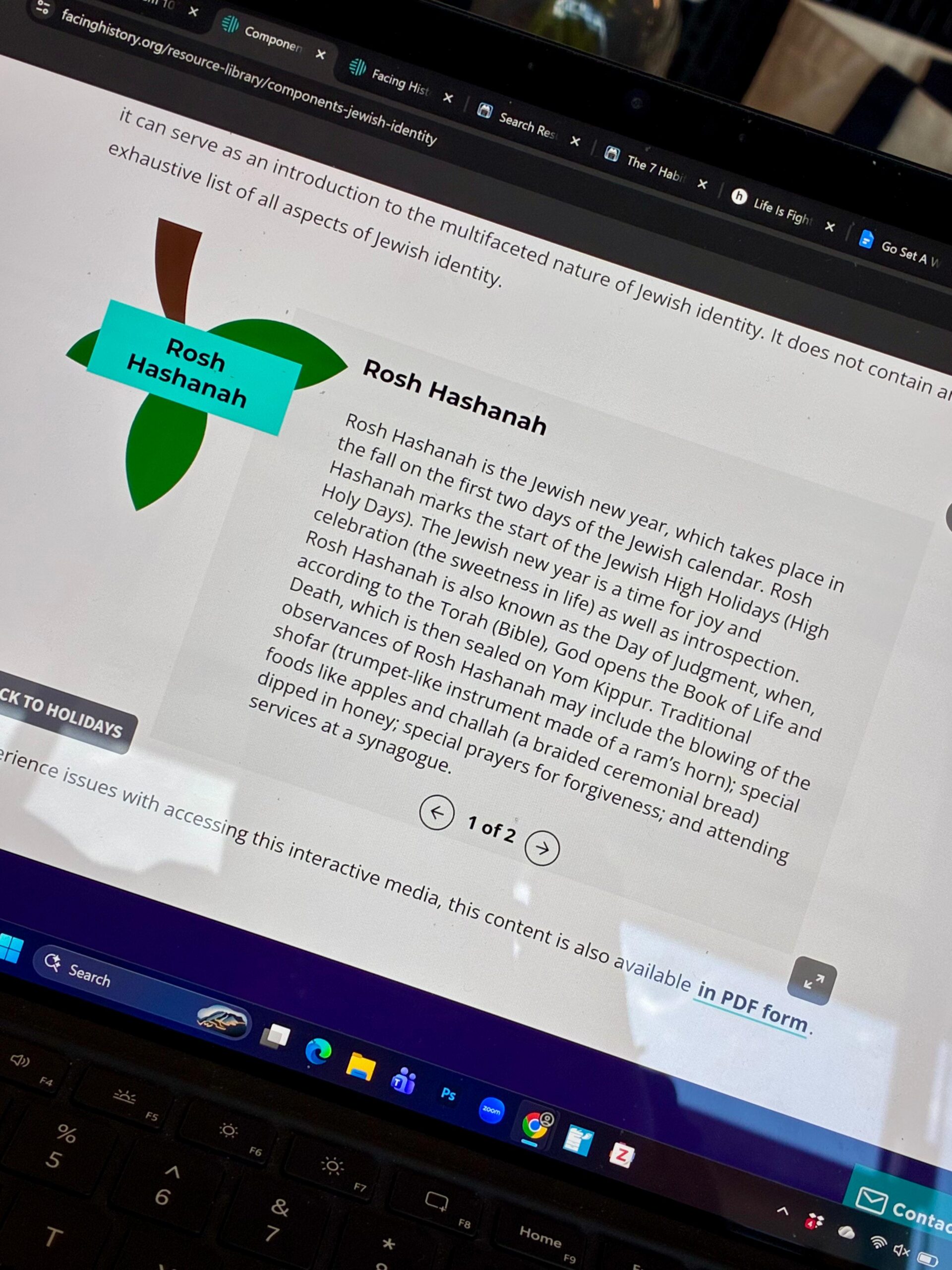
Throughout the week, educators collaborated with colleagues, developed classroom action plans, and considered how to foster meaningful conversations about complex histories and contemporary challenges. Participants also attended a local Juneteenth celebration, explored Jewish history and traditions, and joined a Shabbat service and kiddush lunch at a local synagogue.
The Kentucky seminar provided space for deep reflection, thoughtful dialogue, and renewed commitment to helping students understand the past while engaging responsibly with the world around them.
In partnership with The University of Kentucky – Jewish Heritage Fund Holocaust Education Initiative, The Association for Teaching Black History in Kentucky, Carter G. Woodson Center at Berea College, and Temple Adath Israel in Lexington.

What Teachers Said About the Seminar
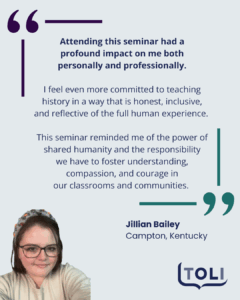
Jillian Bailey teaches Grade 10-12 English at a rural public school in an economically challenged area of Eastern Kentucky. Her community faces persistent poverty, limited access to healthcare, and high rates of generational unemployment. Many of Jillian’s students’ families struggle to meet basic needs, and their school often serves as a crucial support system.
Jillian’s students have had limited exposure to diverse cultural perspectives and global historical events beyond their immediate environments. “This makes it even more essential to bring in curriculum that connects them with broader human stories – stories of resistance, injustice, survival, and activism,” Jillian says.
Throughout each school year, Jillian integrates Human Rights education into her teaching, specifically focusing on the Holocaust with her 11th Grade students. “Teaching about the Holocaust and the Civil Rights Movement in this context is vital,” she explains. “These histories provide powerful lenses through which students can understand the dangers of prejudice, the importance of standing up for others, and the strength found in solidarity. It also invites them to draw parallels to their own experiences and recognize their potential as agents of change in their community and beyond.”
Jillian is passionate about connecting historical narratives to students who may not see themselves in traditional textbook stories. “It takes intentional, empathetic, and culturally responsive teaching to make learning meaningful and relevant under [challenging] circumstances,” she says. Jillian aims to help her students make personal, emotional, and ethical connections to history, encouraging them to think critically about justice, identity, and the role of ordinary people in shaping society.
Jillian attended our seminar in Berea, Kentucky because it posed an opportunity to learn how to bring crucial stories and perspectives back to her school and community. “I work in a region where conversations about diversity, equity, and historical trauma don’t frequently occur. I’m passionate about using history to foster empathy and action in places where those values can be transformative – and perhaps even healing.”


Leaders
-
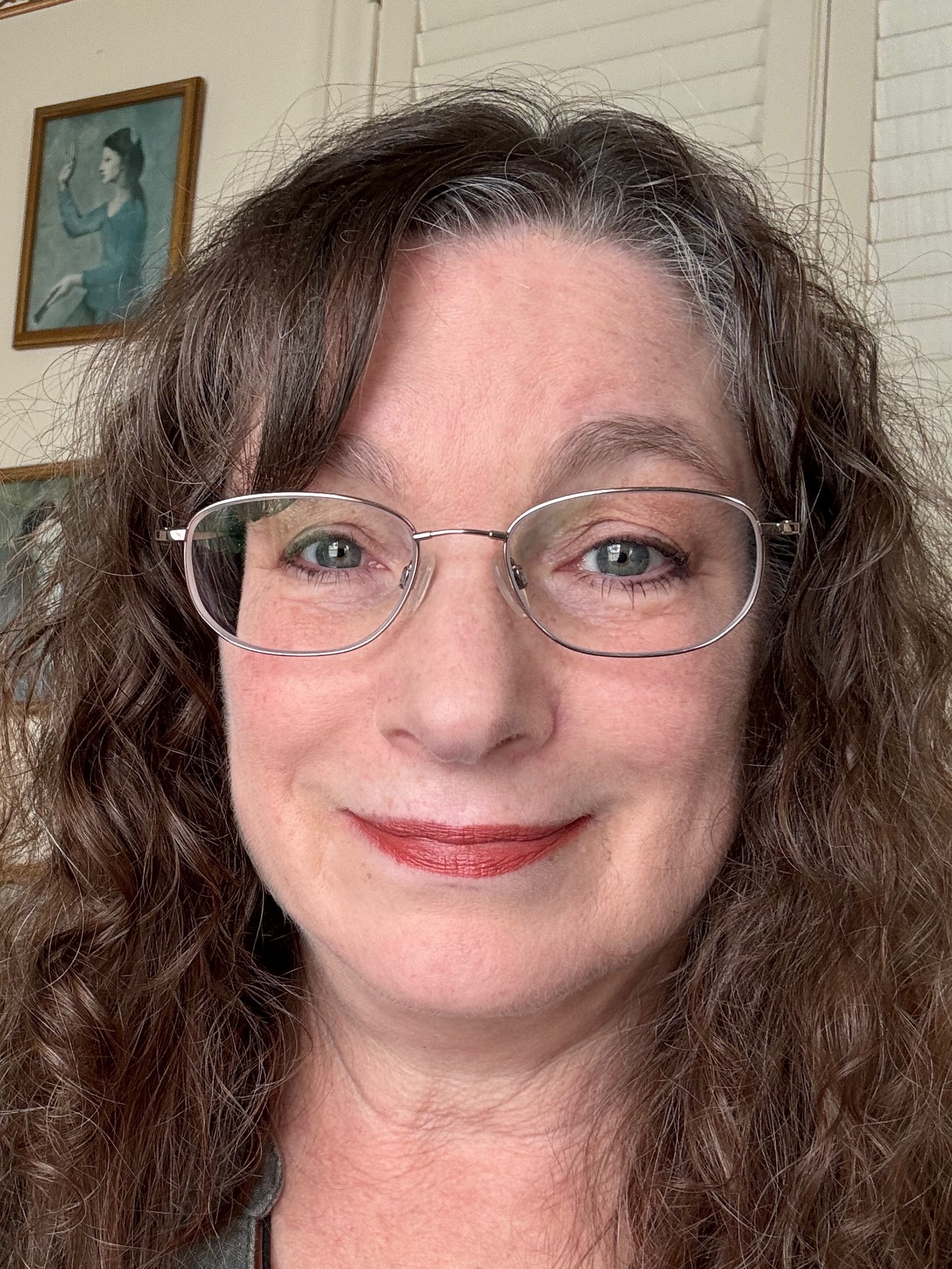
Lauren Hill
Lauren Hill (NBCT) serves as Associate Director of the University of Kentucky – Jewish Heritage Fund Holocaust Initiative, which supports Kentucky teachers in meeting the mandate for effective Holocaust education. A retired middle and high school teacher, she has taught in a correctional setting, served as an instructional coach, and worked as the Teacher Leadership Coordinator for the Kentucky Department of Education. Lauren directs Classroom Teachers Enacting Positive Solutions (CTEPS), which provides coaching and action research-based learning to emerging teacher leaders. Lauren graduated from Barnard College with a BA in History, Vanderbilt University with an M.Ed. in Curriculum and Supervision, and the University of Kentucky with a Rank 1 in English Education. Lauren focuses on elevating teachers as experts and leaders who facilitate deeper learning for their students.
-
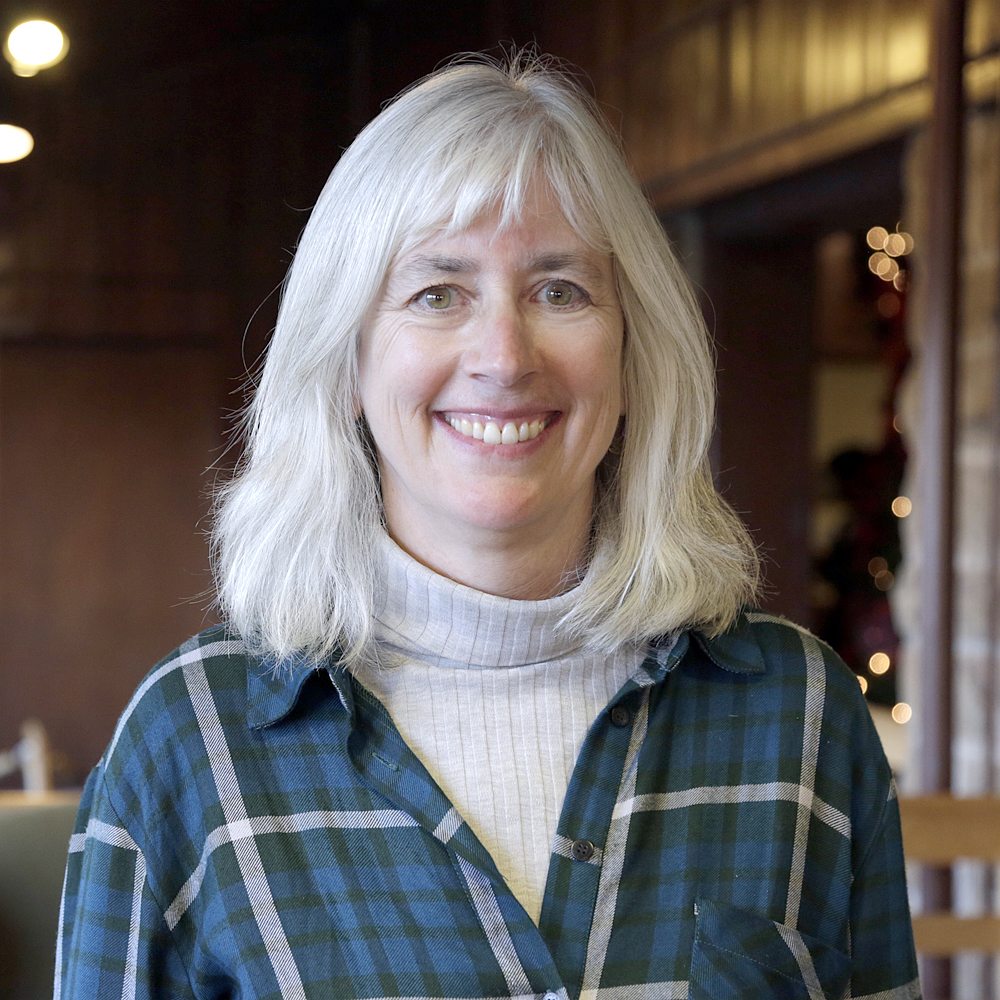
Wendy Zagray Warren
Wendy Zagray Warren directs the Forestry Outreach Center at Berea College and has been an interdisciplinary educator for over thirty years, working with kindergartners through graduate students. Through her association with TOLI, Wendy has been a Holocaust educator for over a decade. As a writer and educator for social and environmental justice, Wendy’s work has been published in journals and anthologies, including Becoming a Holocaust Educator and What Does it Mean to be White in America? Her book, An Illusion of Equity: The Legacy of Eugenics in Today’s Education, was released in 2023.