The Holocaust: Choices that Shape Humanity
Date: June 15-19, 2026
Location: Albuquerque, New Mexico
About the 2026 Program
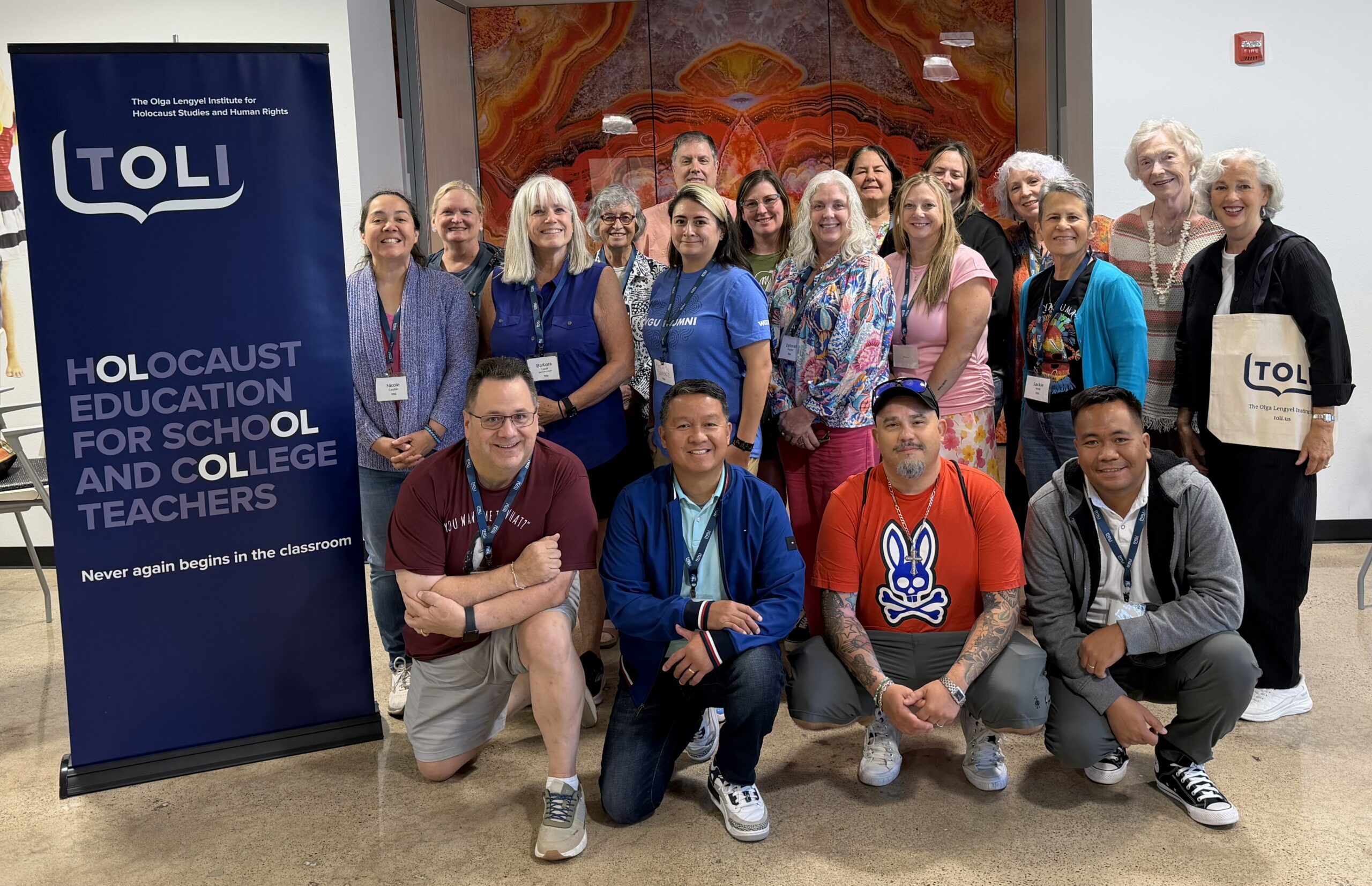
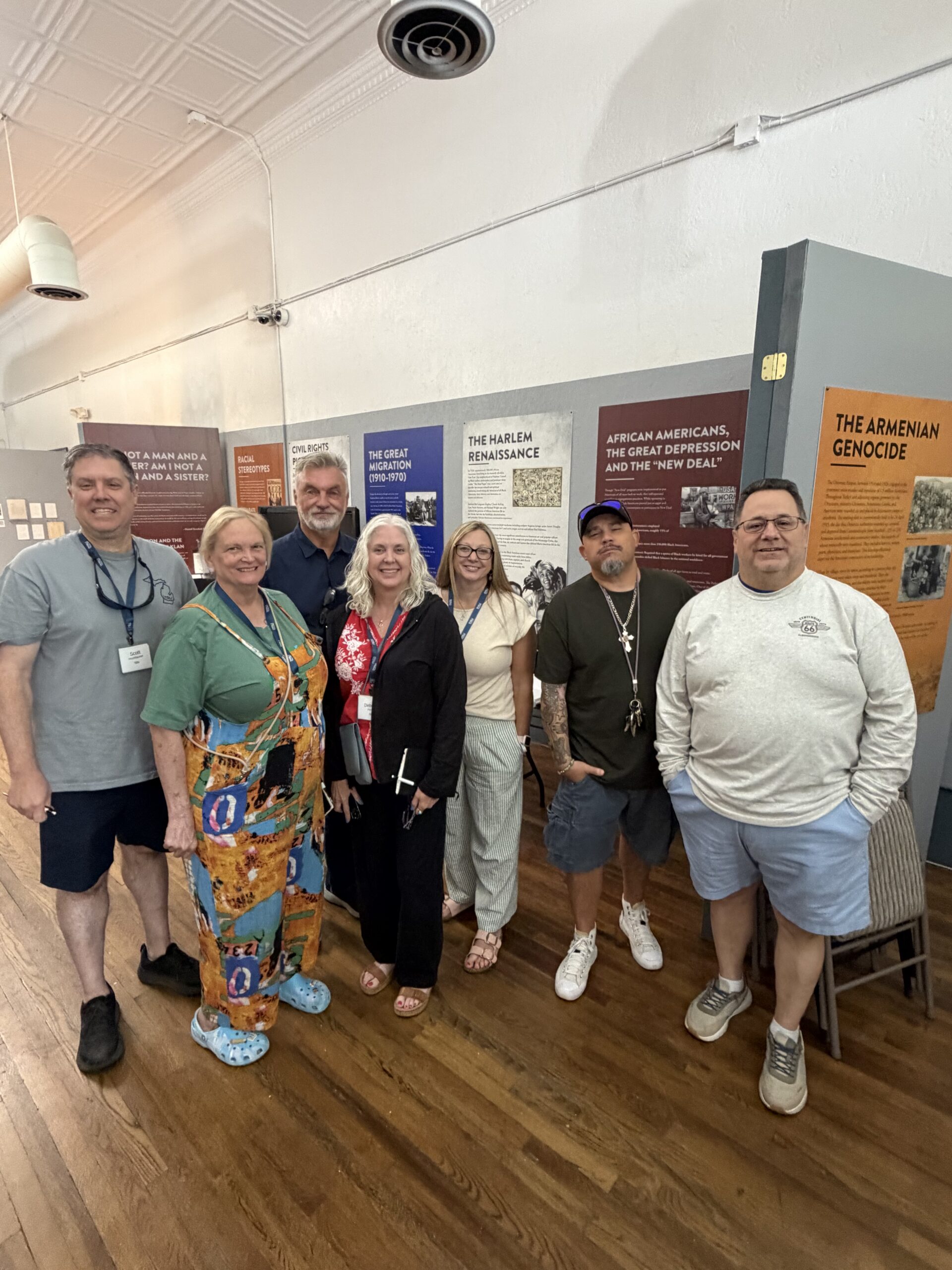
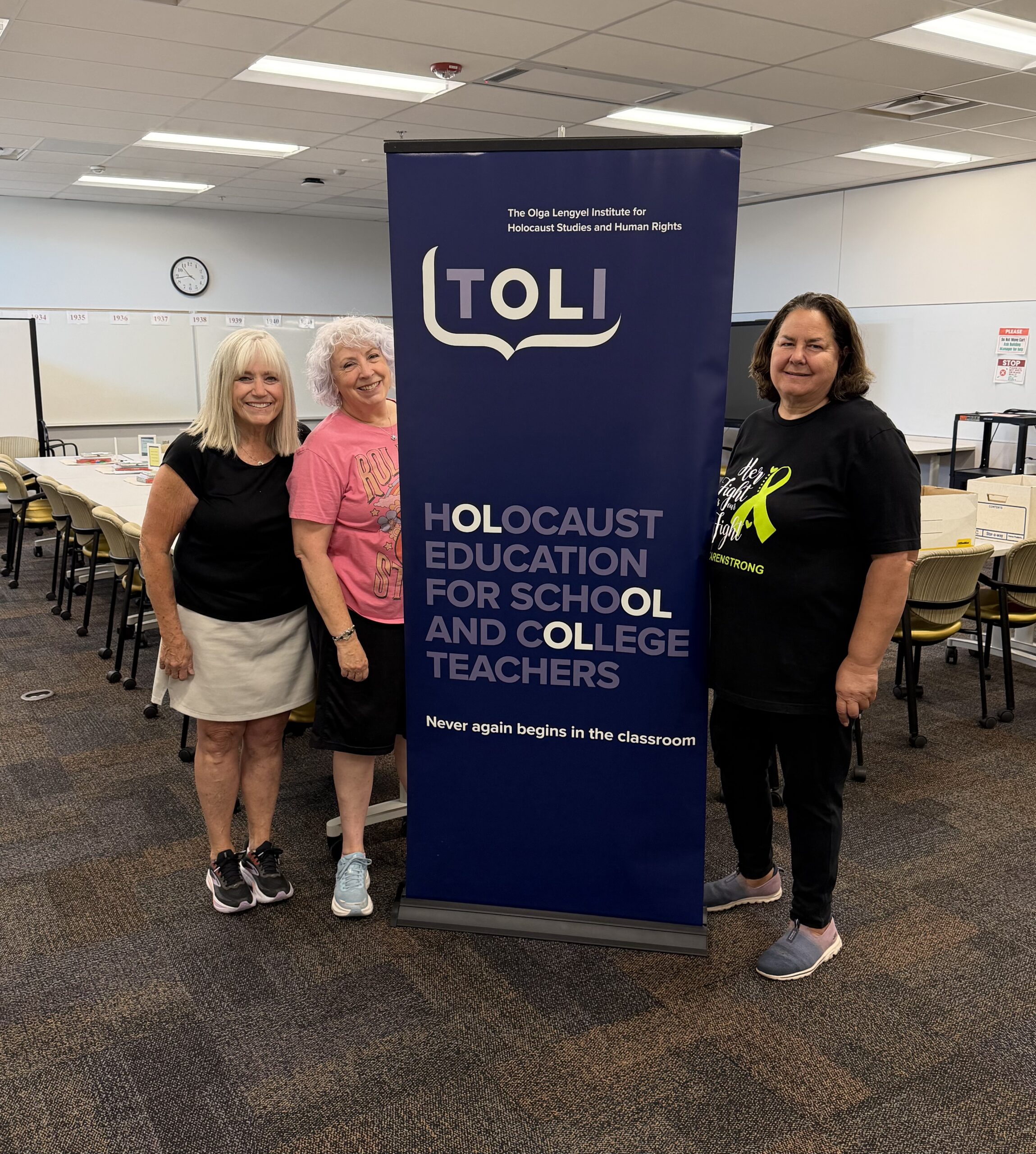
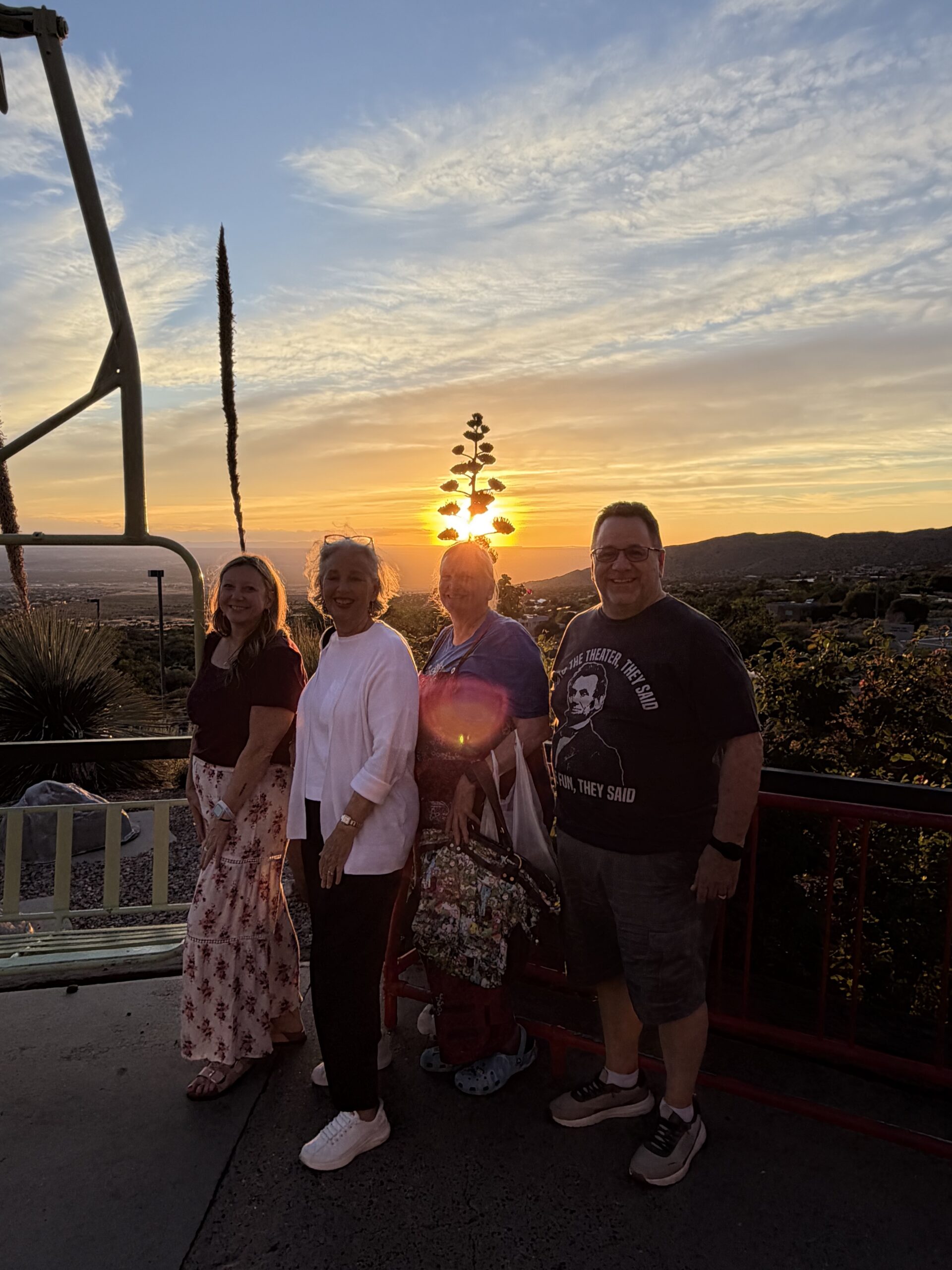
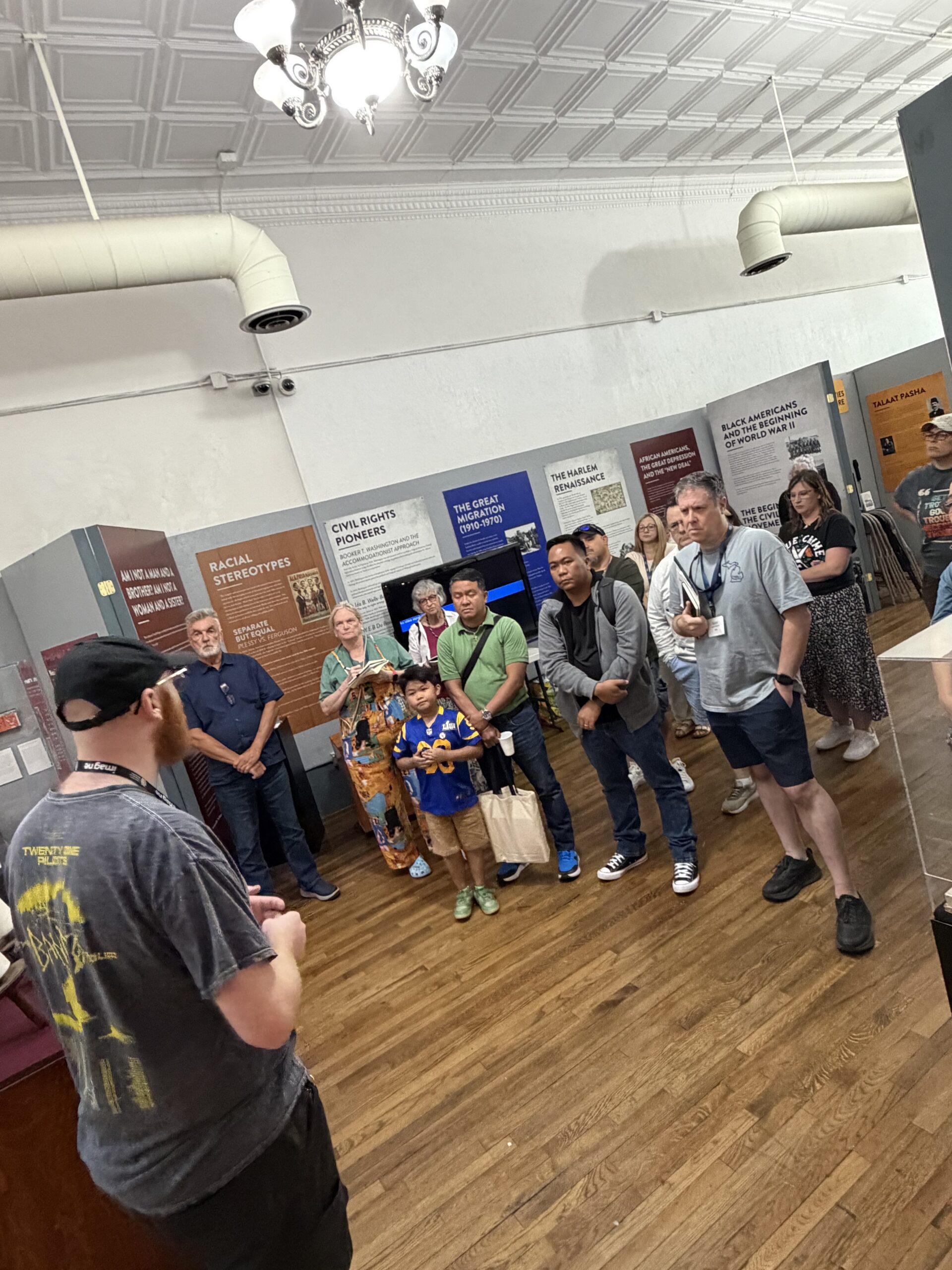
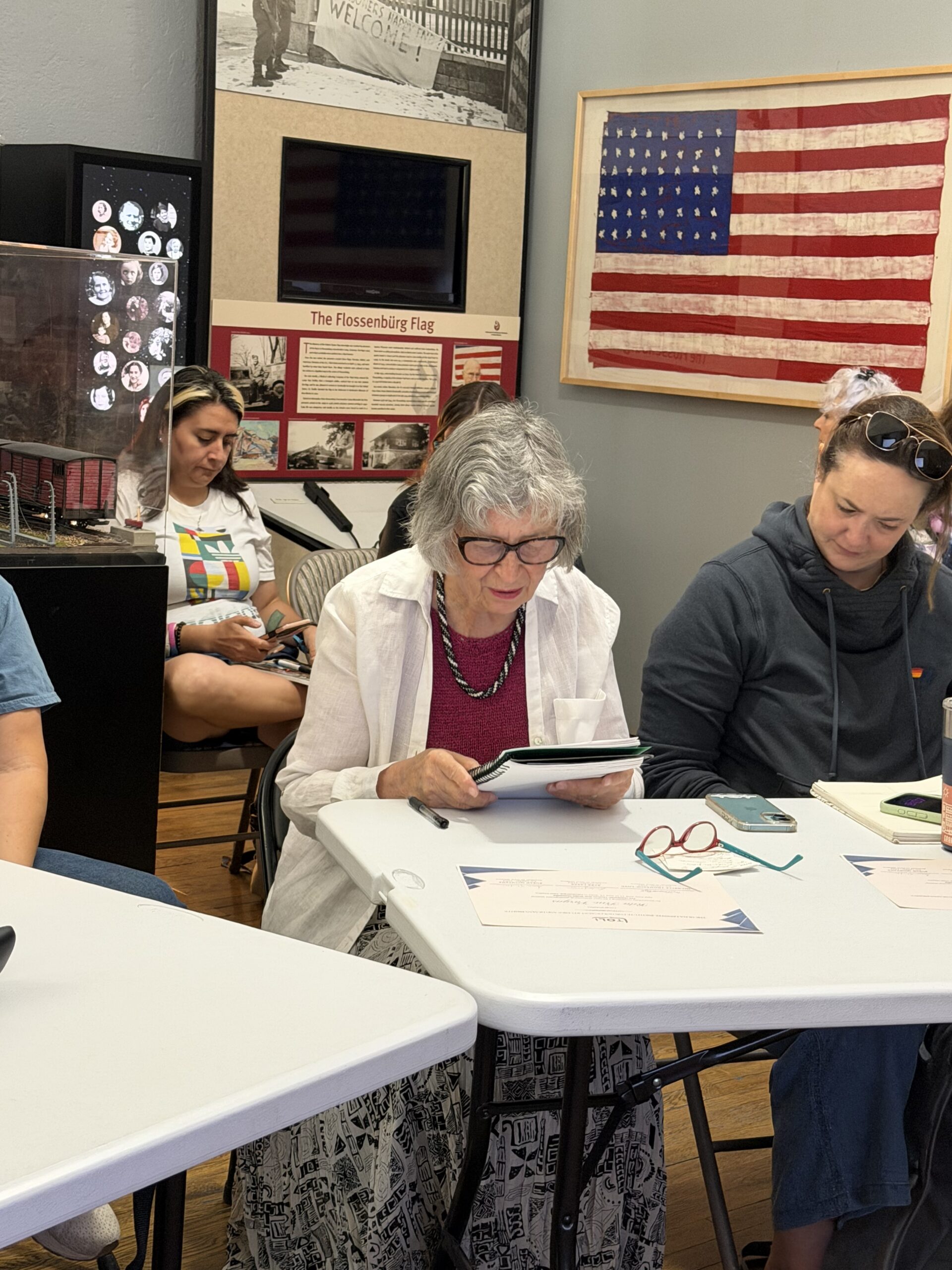
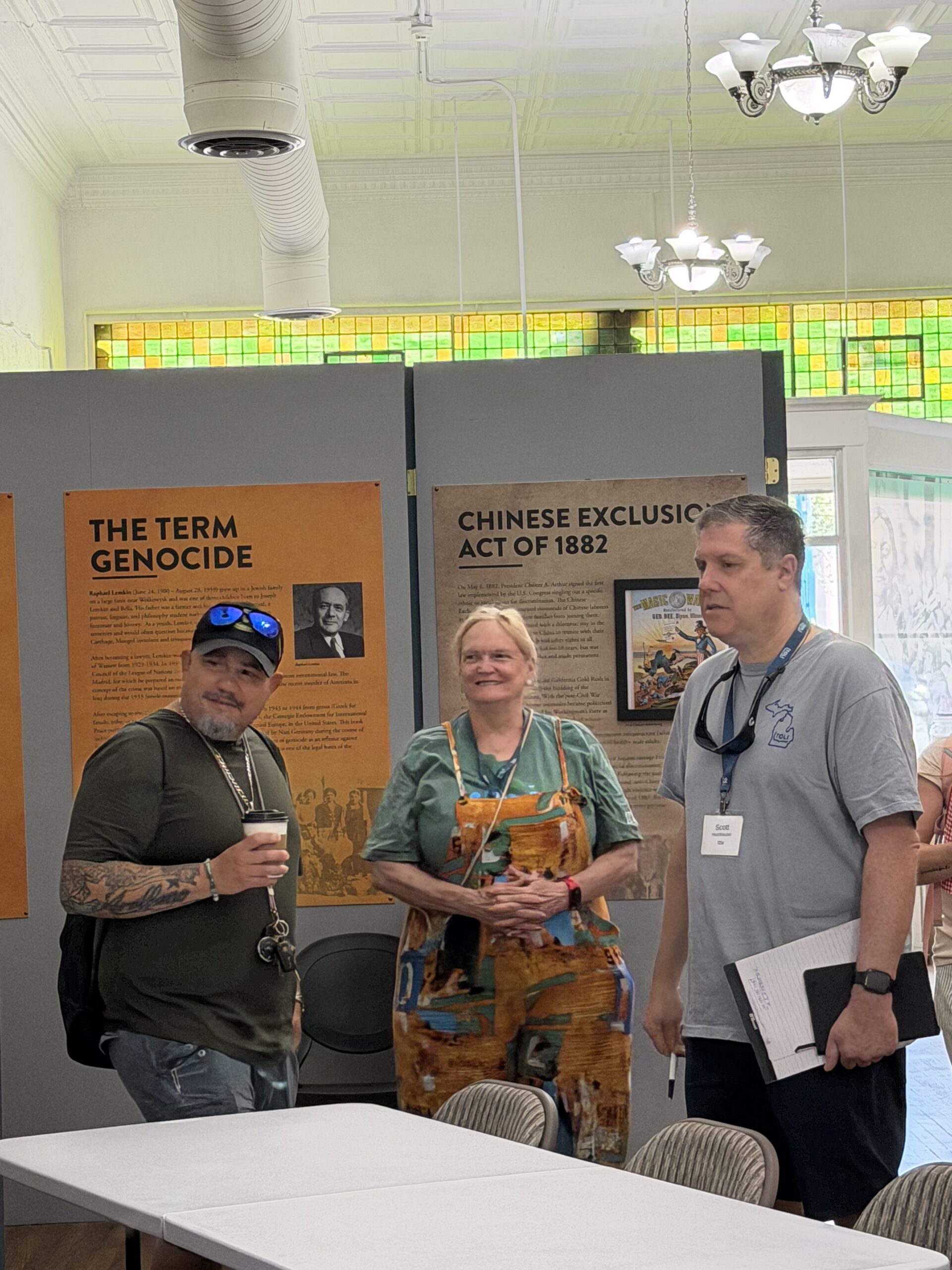
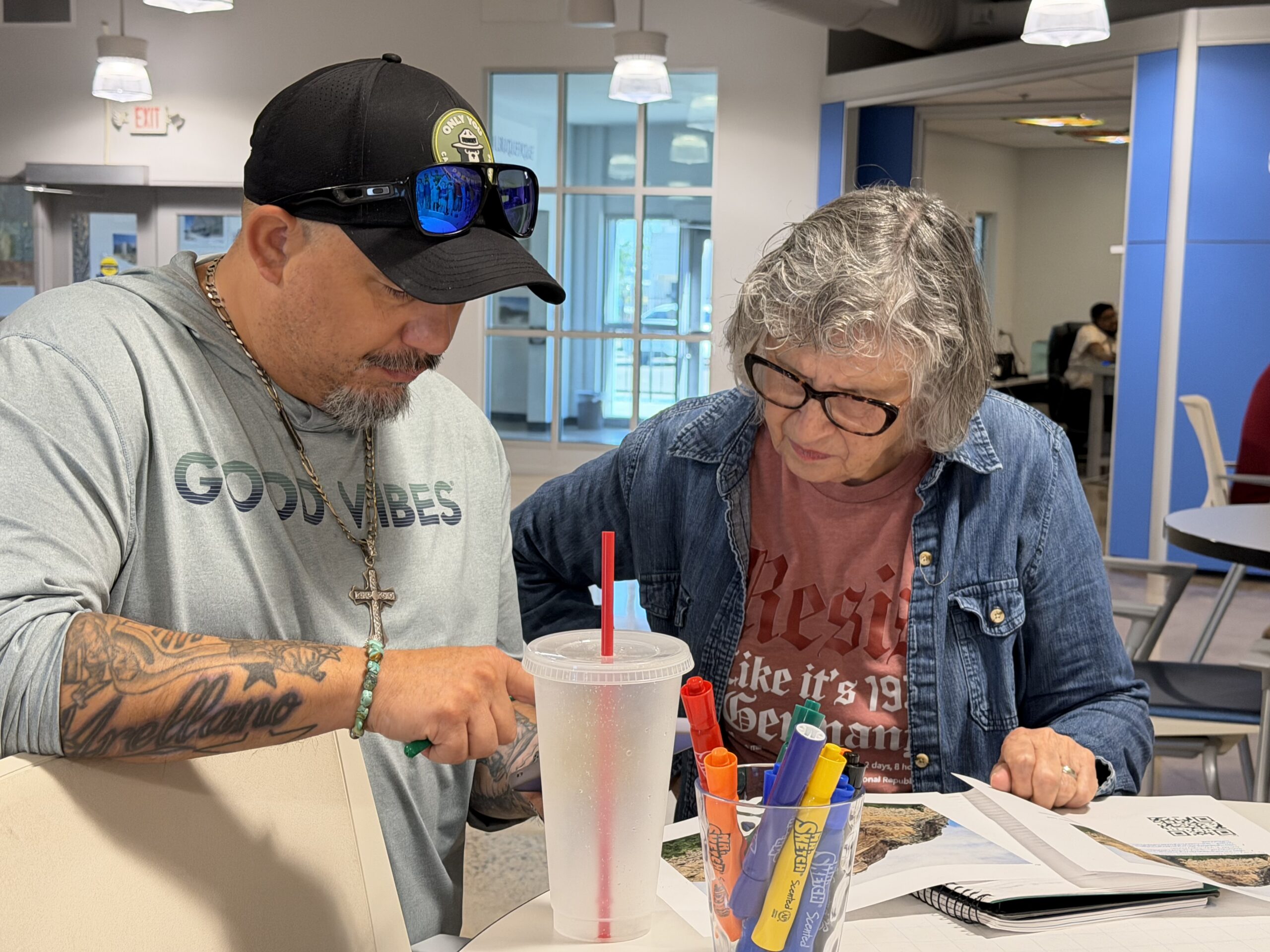
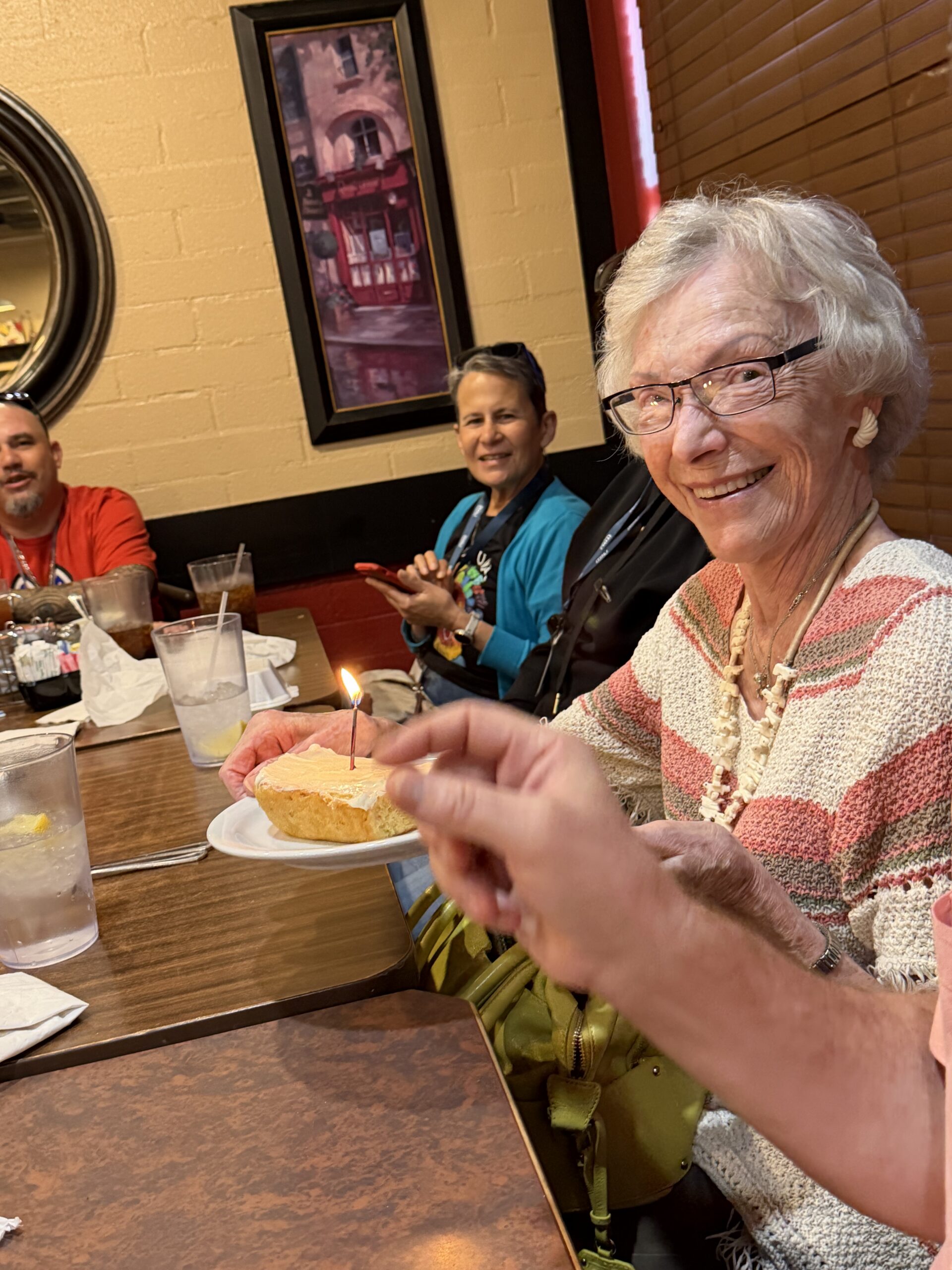
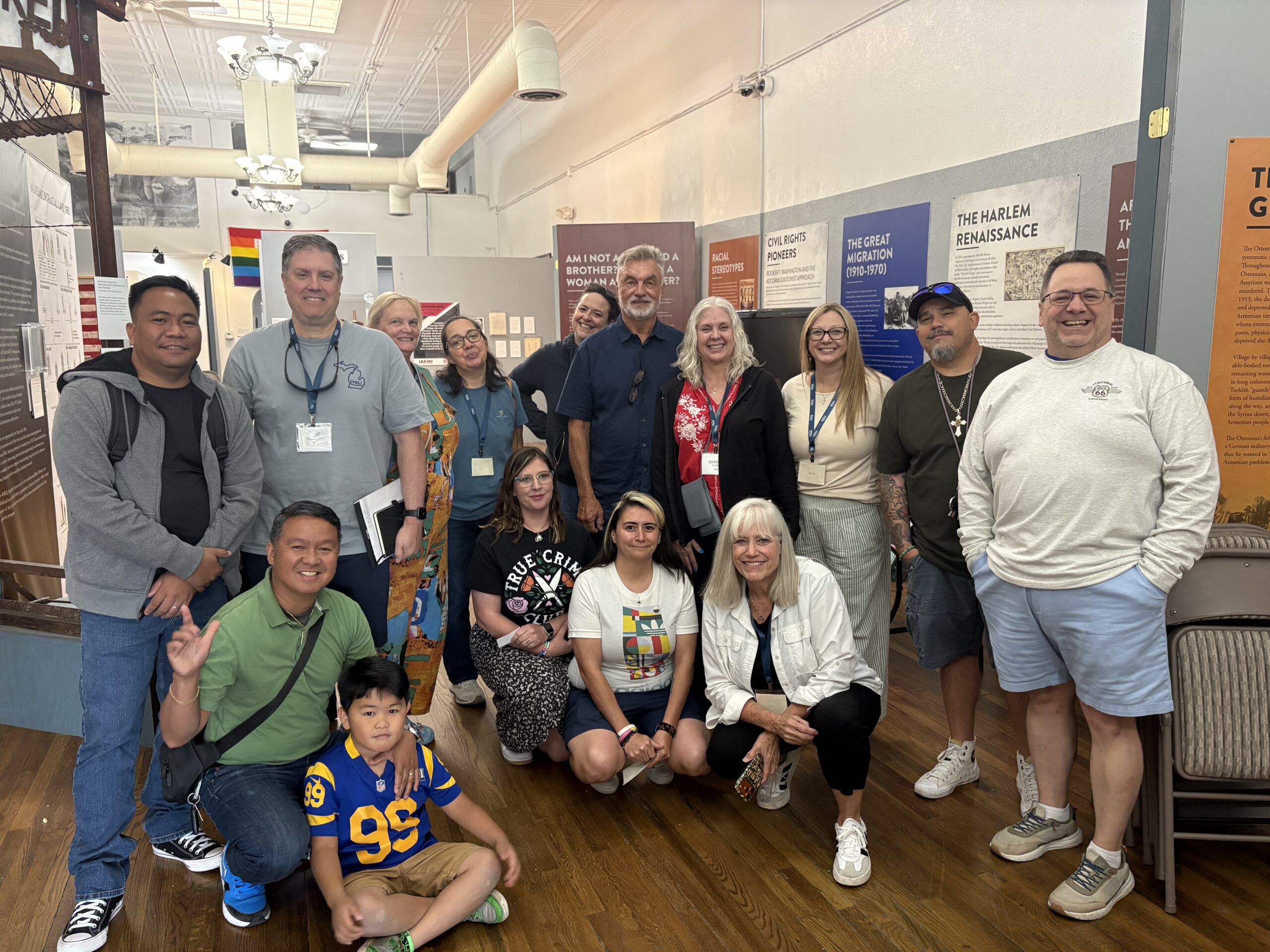
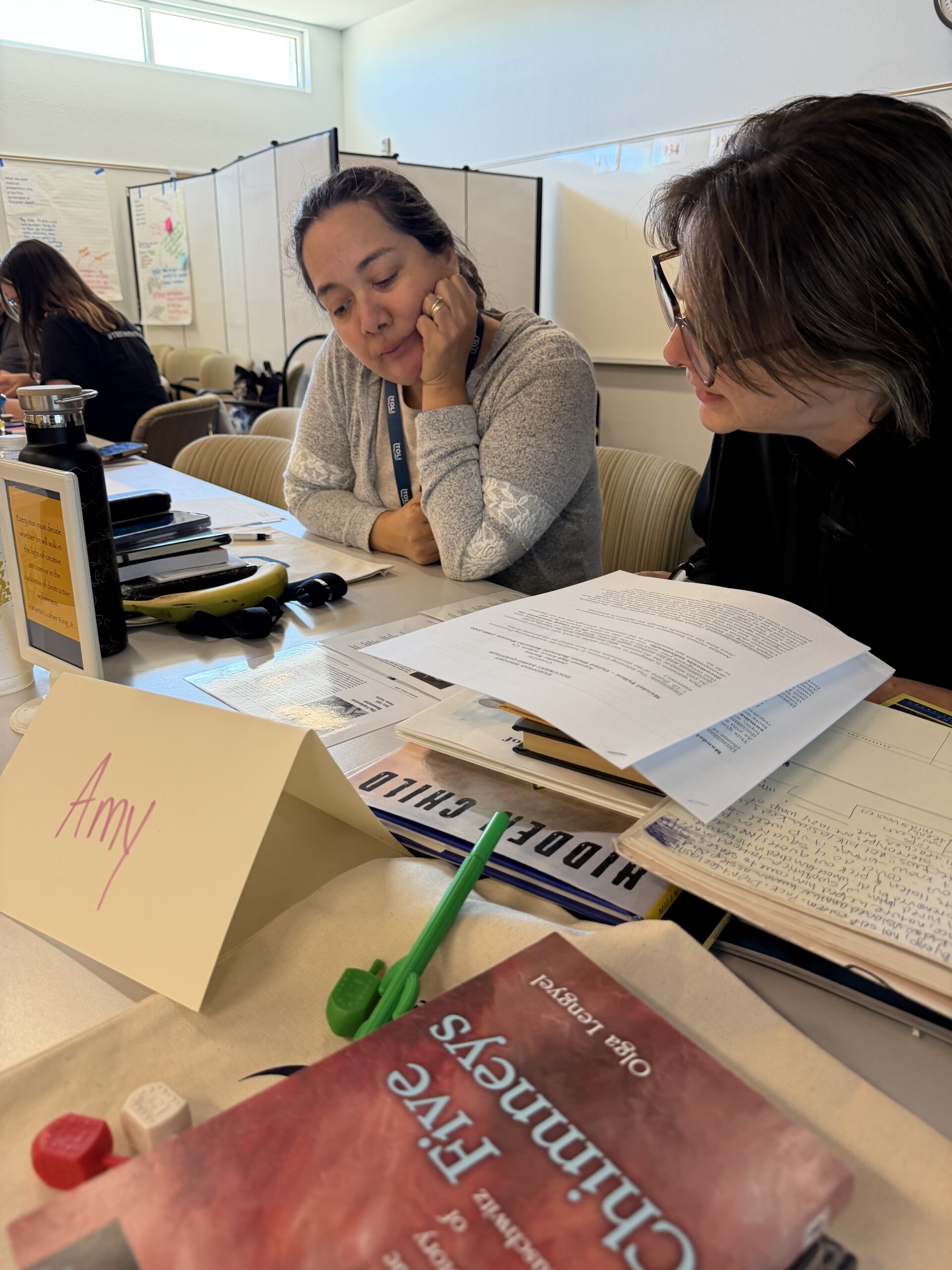
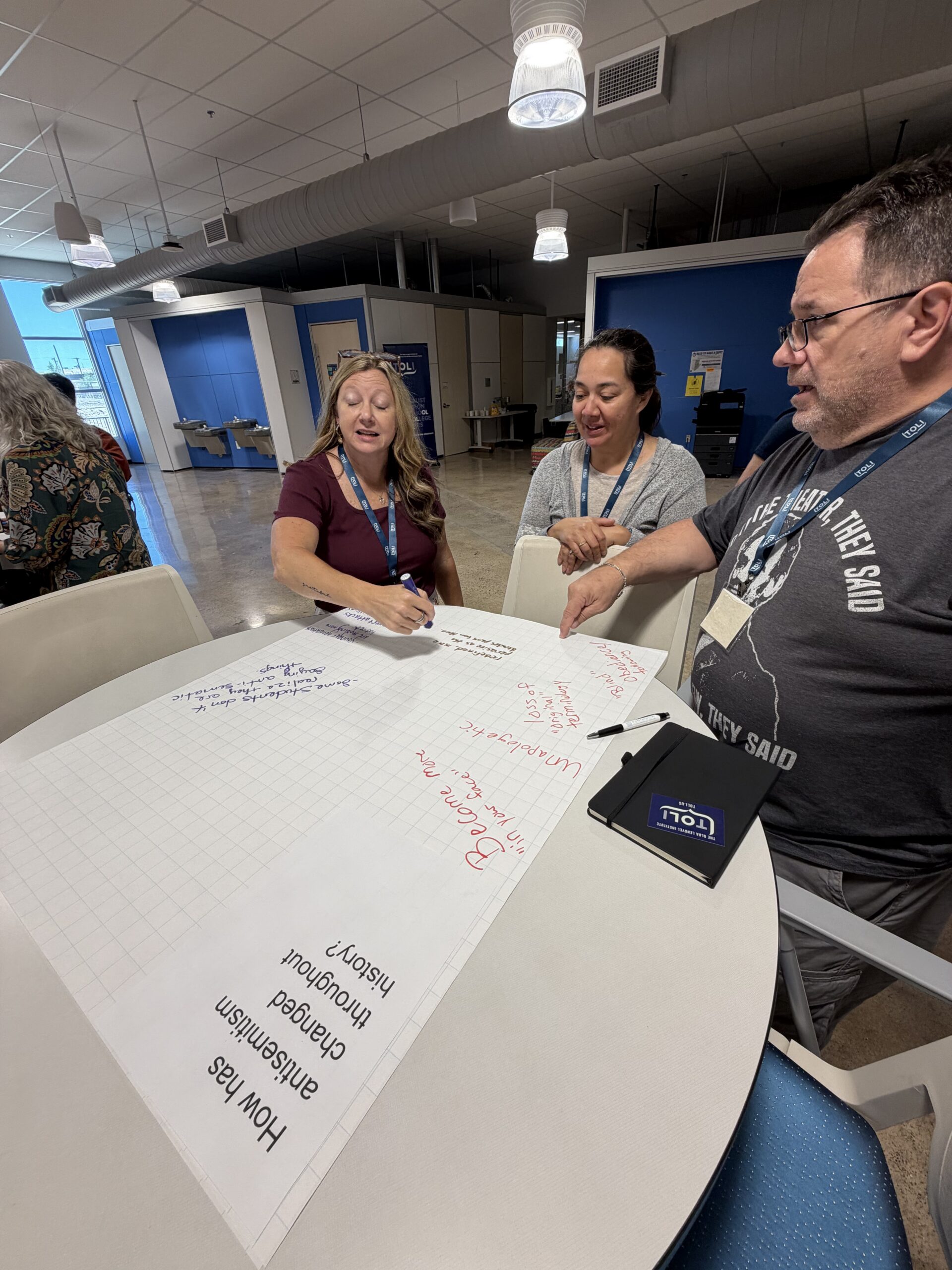
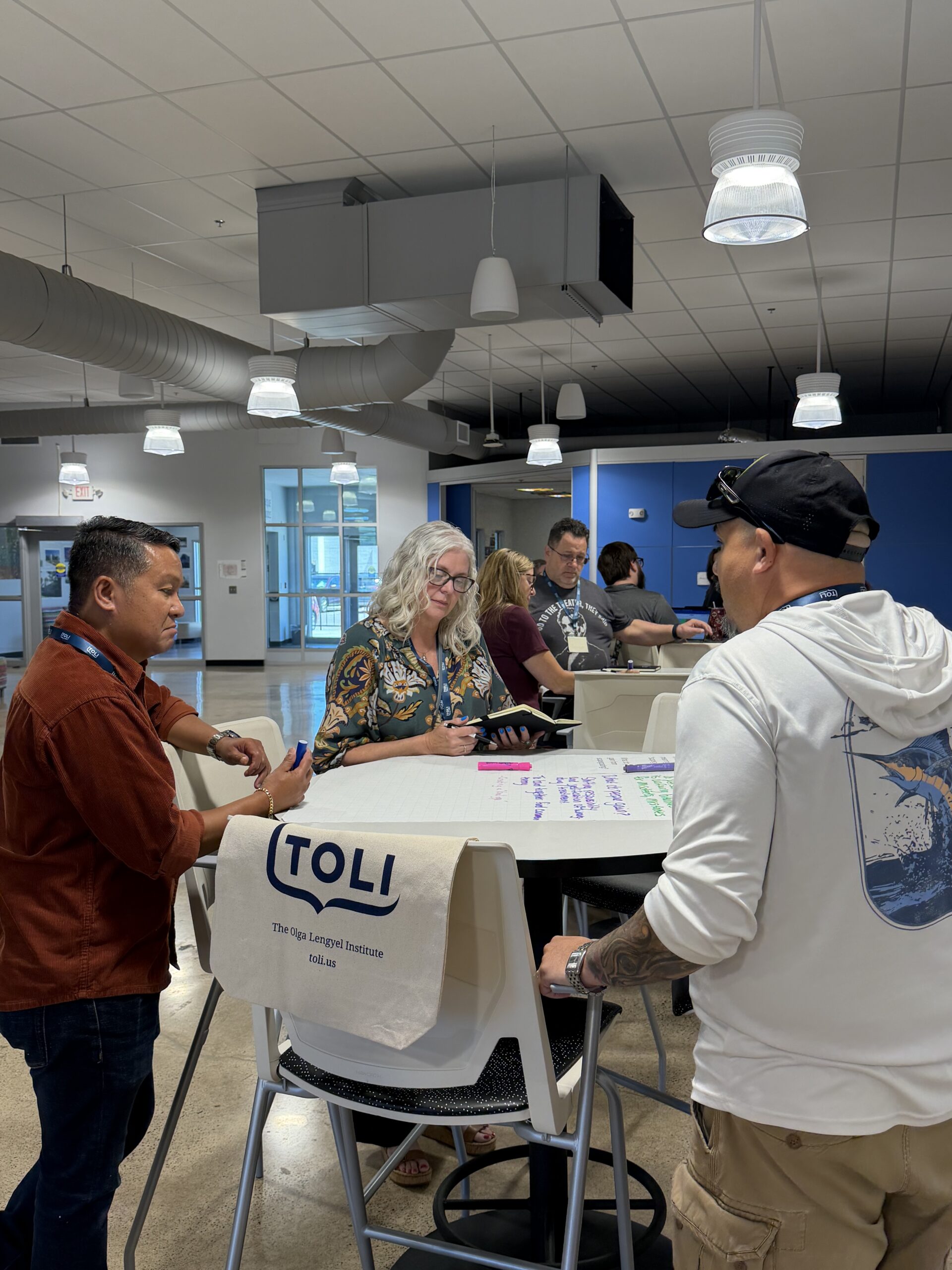
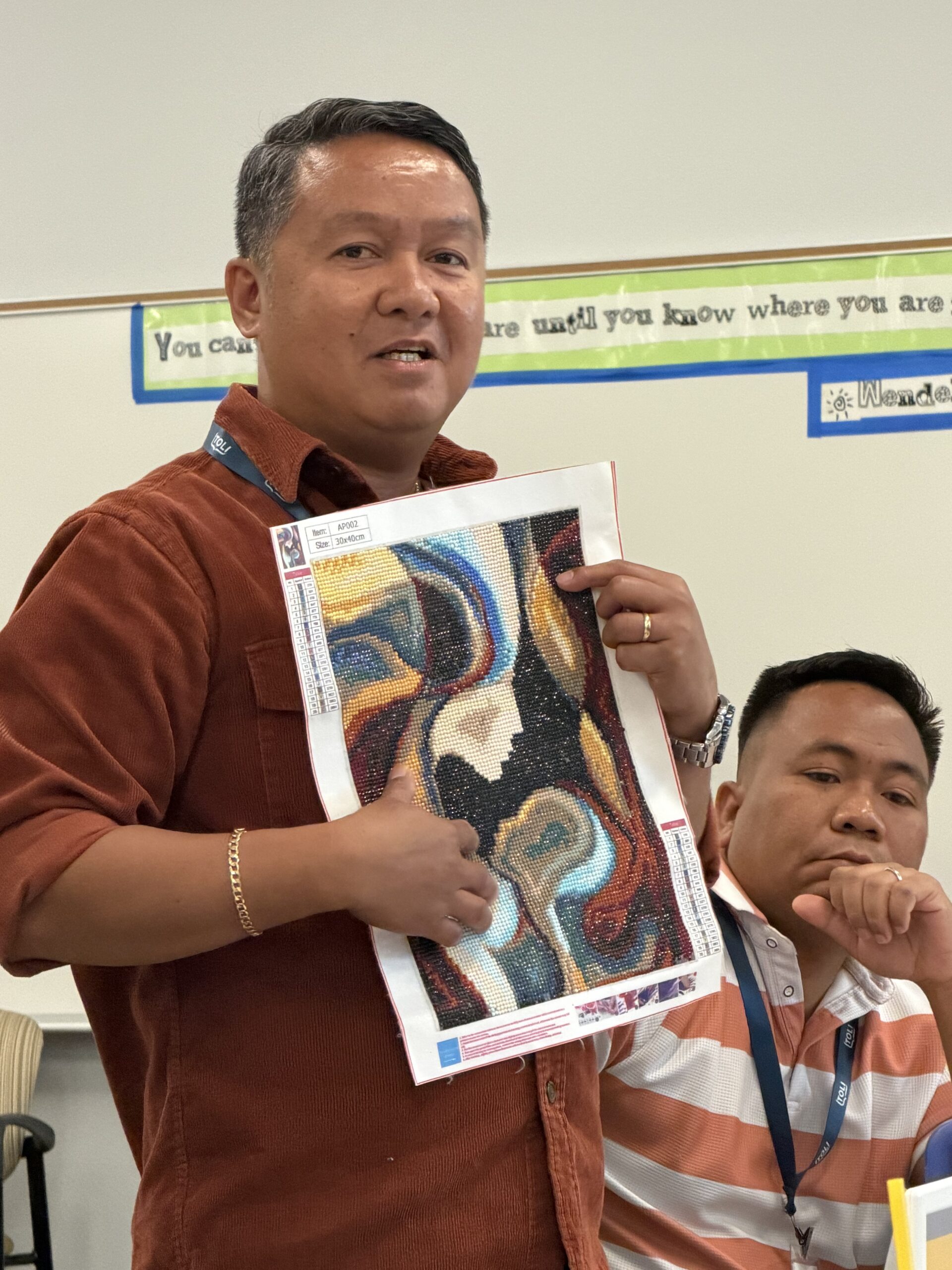
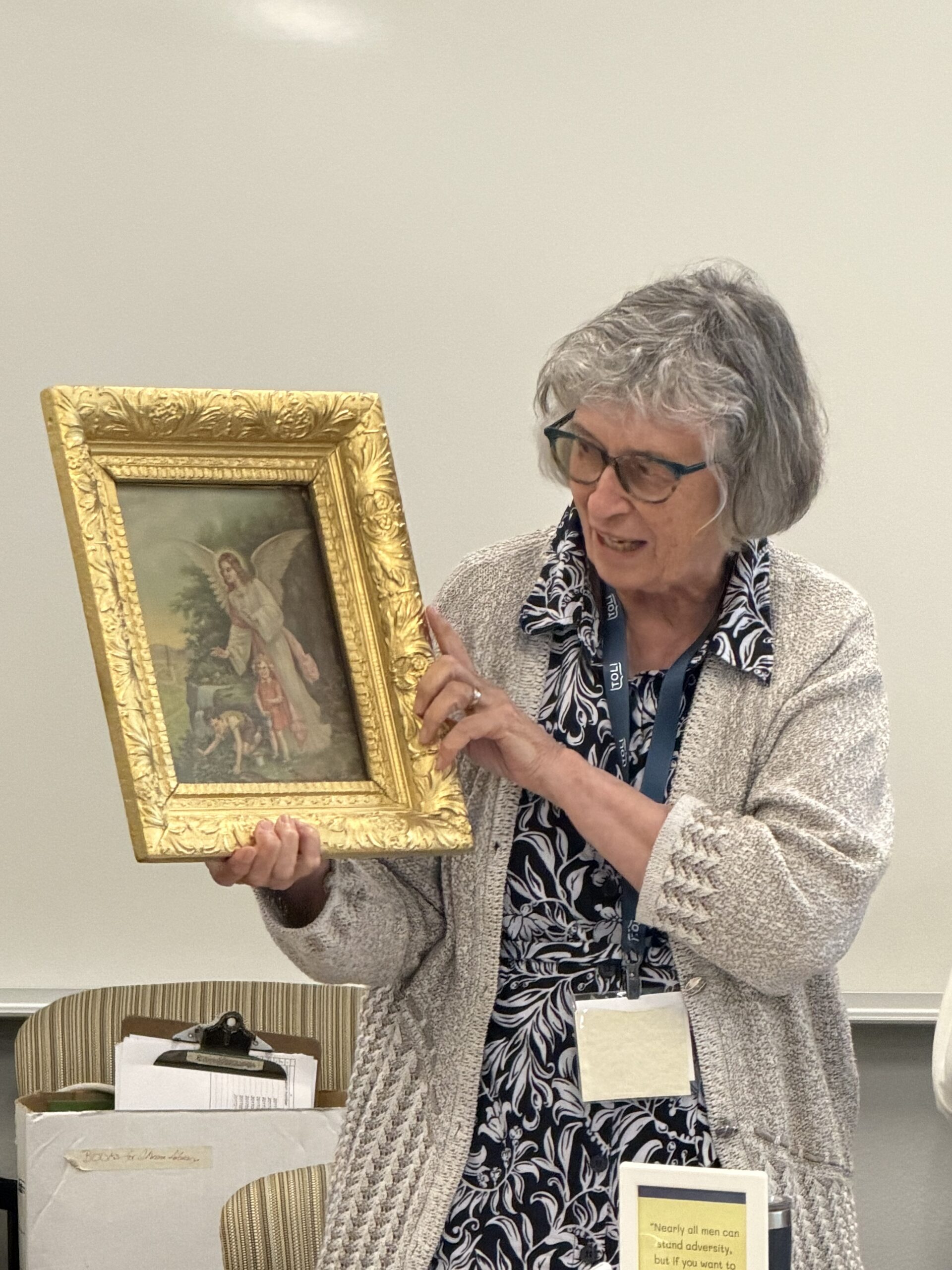
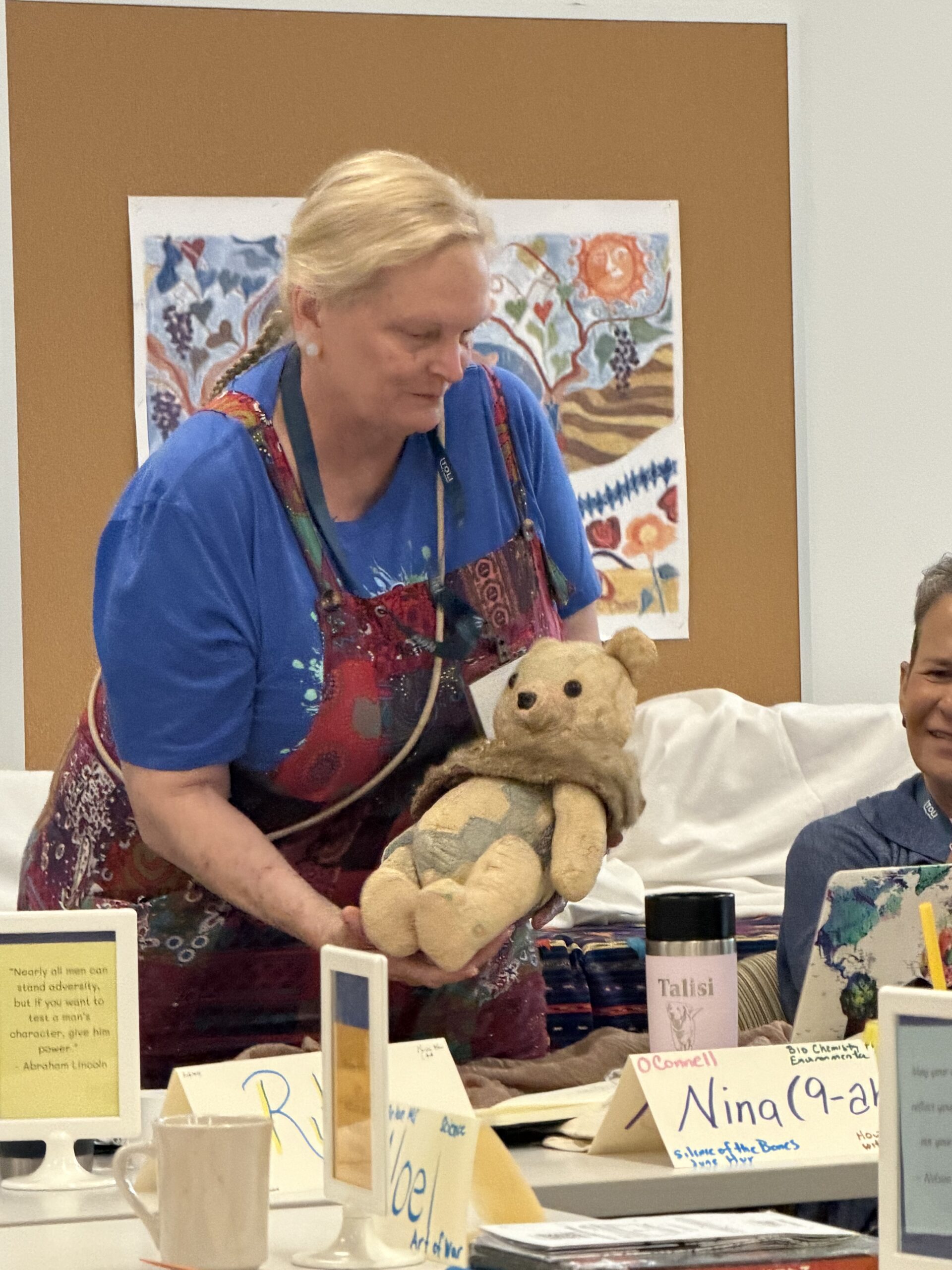
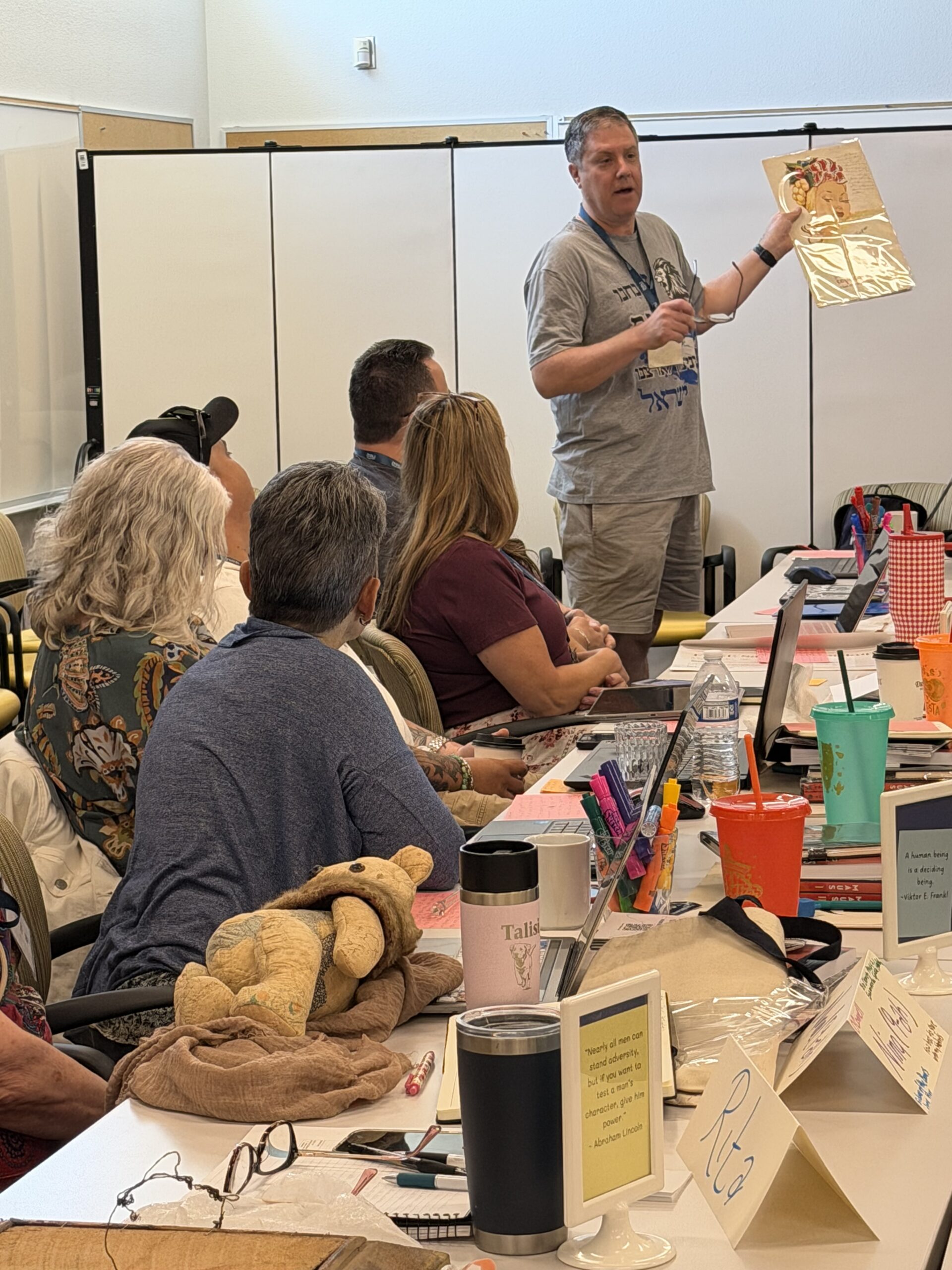
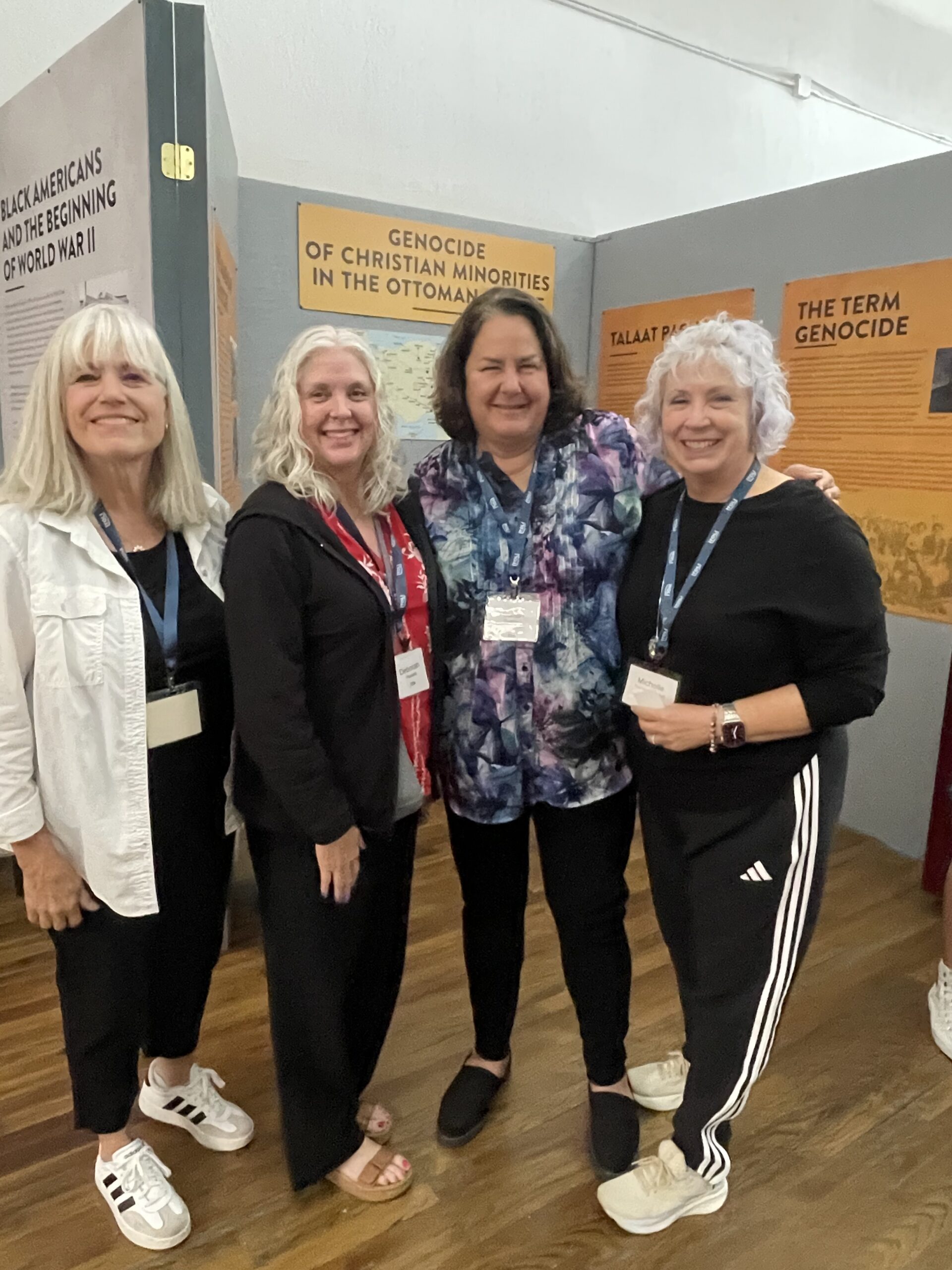
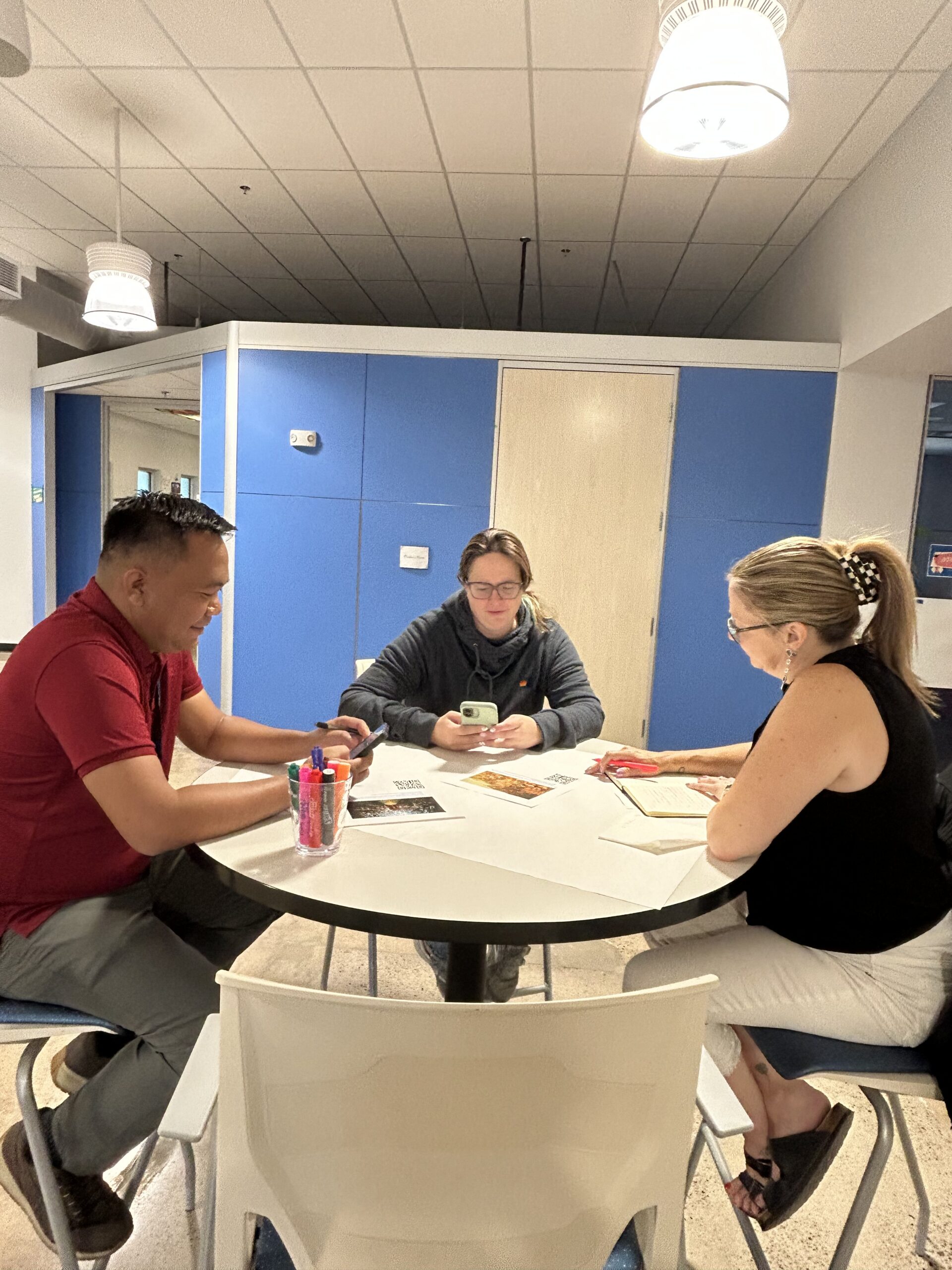
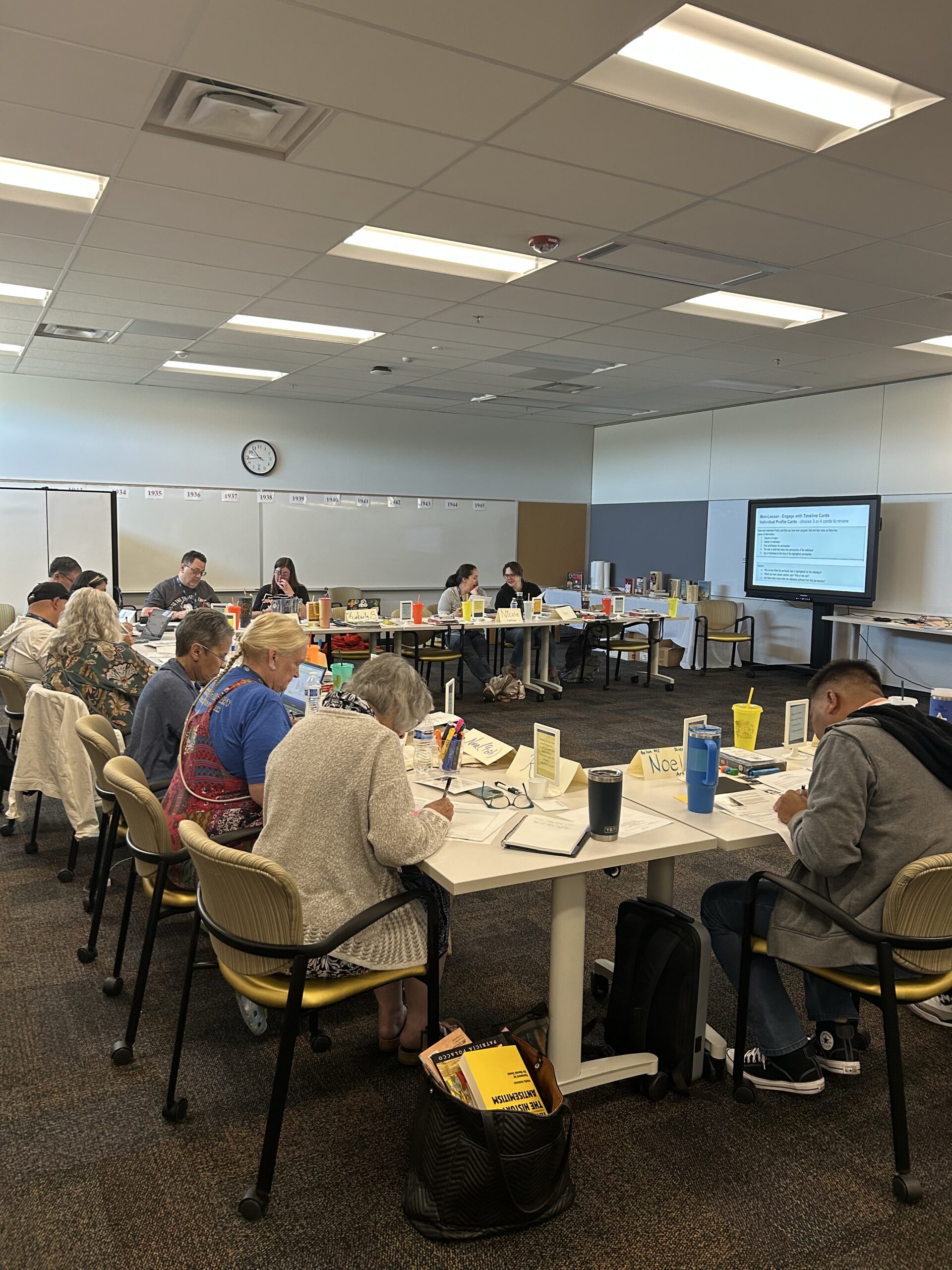
From June 15-19, educators from across New Mexico gathered in Albuquerque for TOLI’s regional seminar, The Holocaust: Choices That Shape Humanity, an immersive week of learning, reflection, and professional growth.
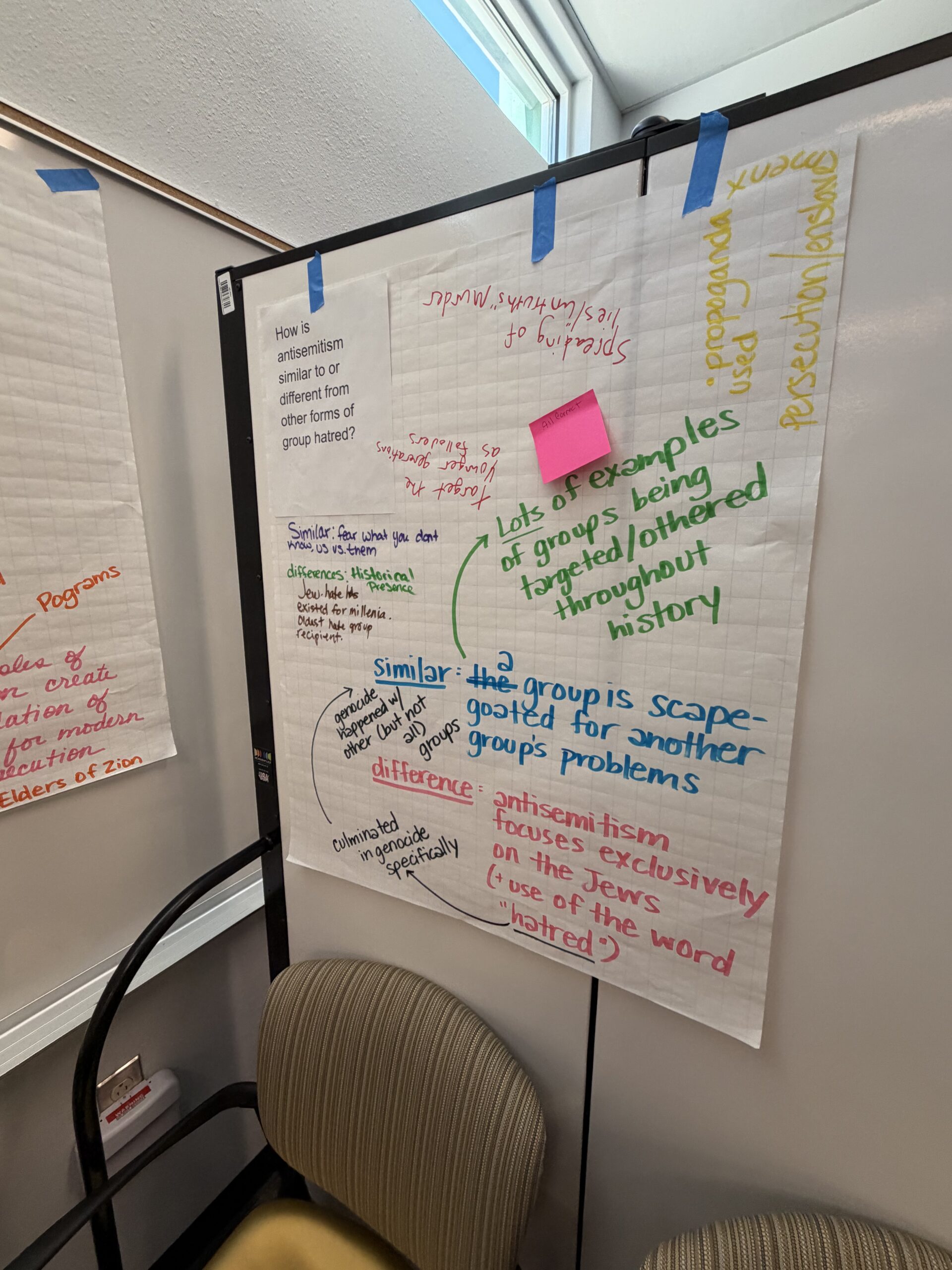
Throughout the seminar, participants explored the Holocaust through survivor testimony, primary source documents, literature, film, and inquiry-based discussion centered on the essential question: In what ways do choices matter?
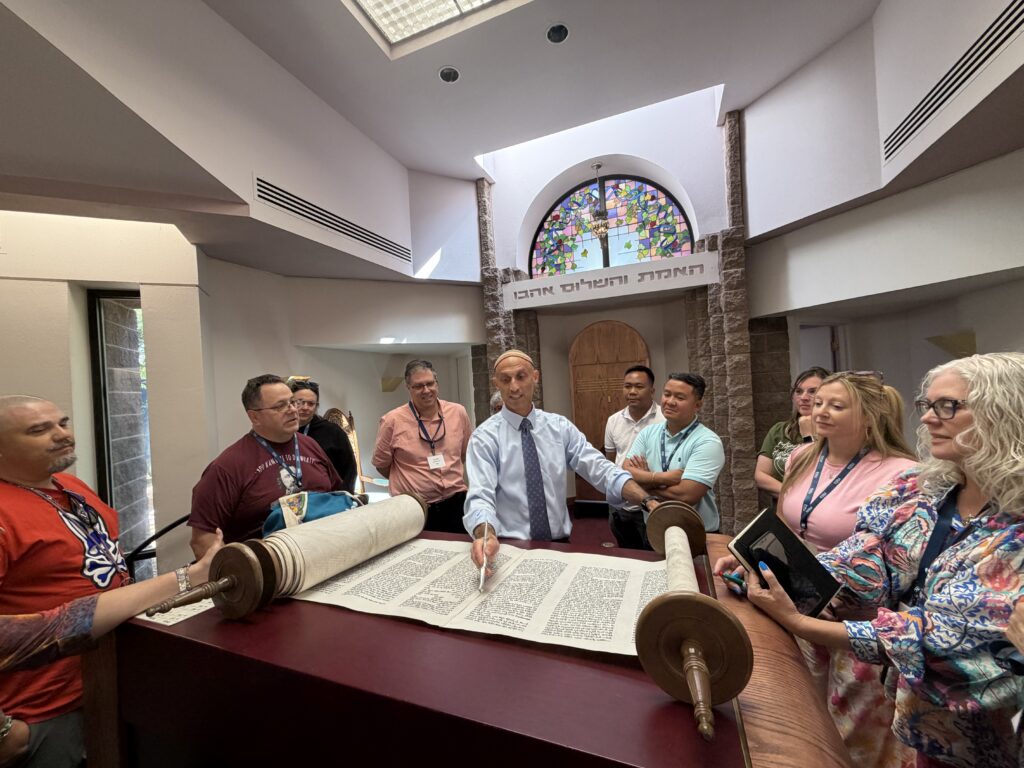
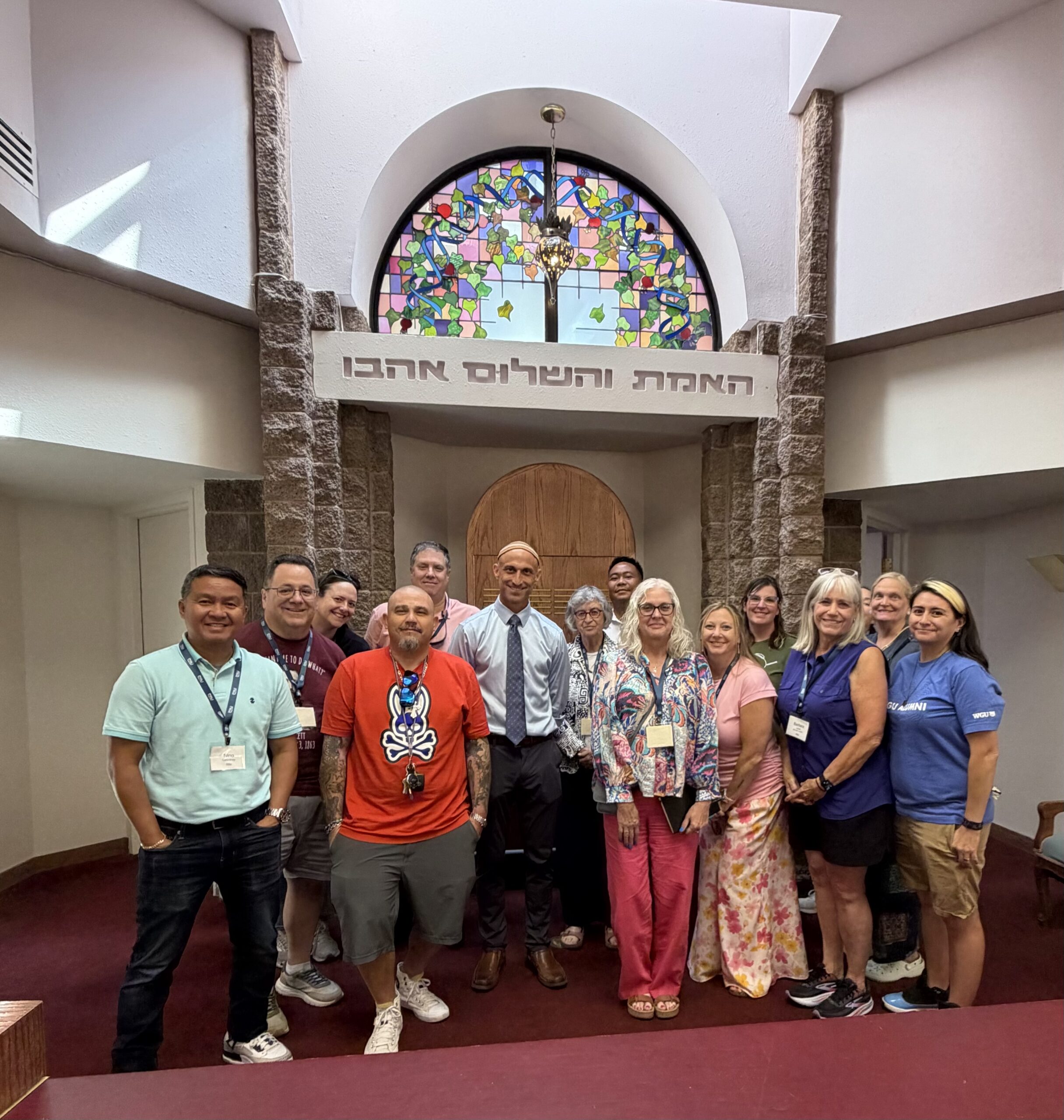
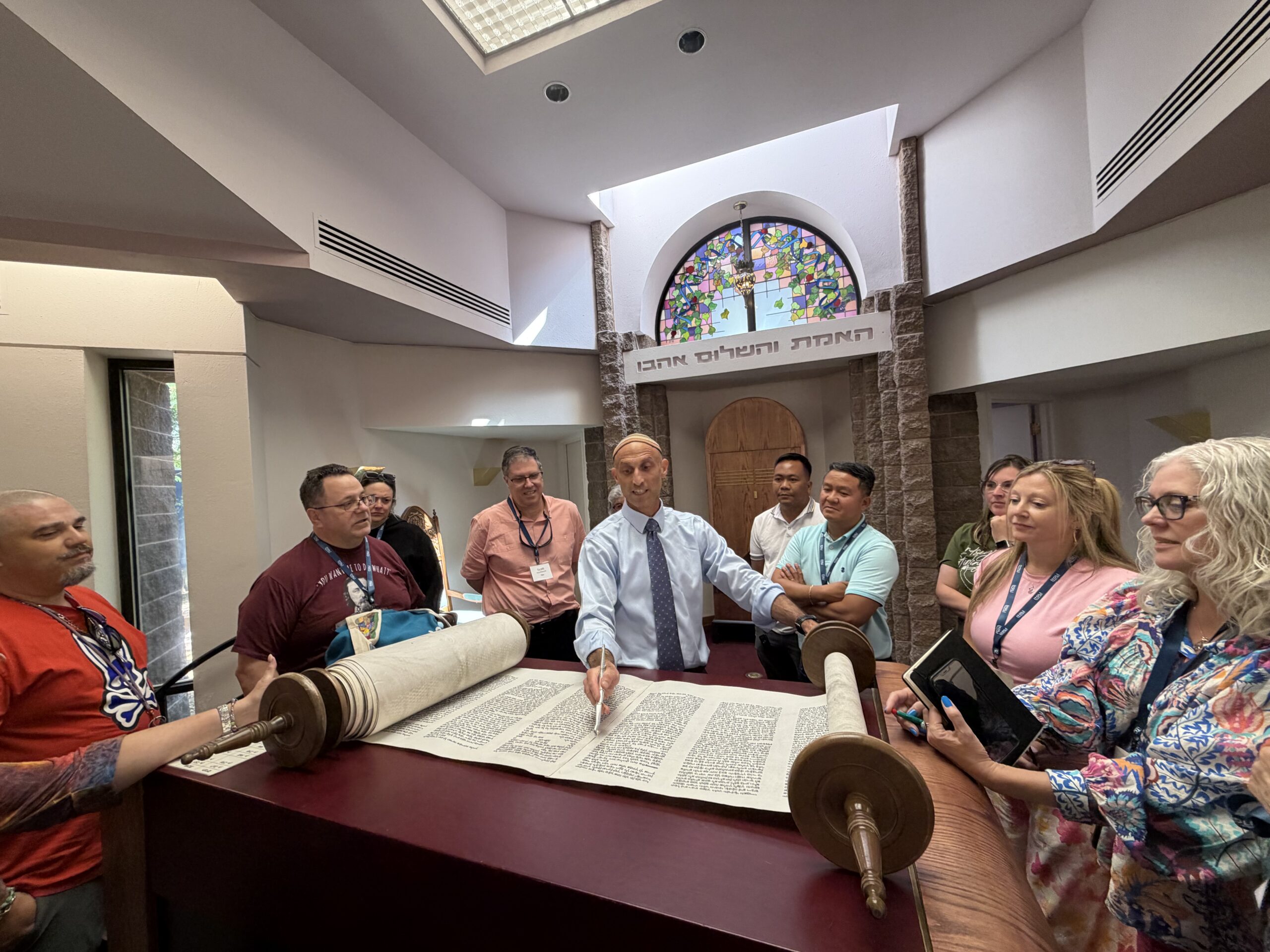
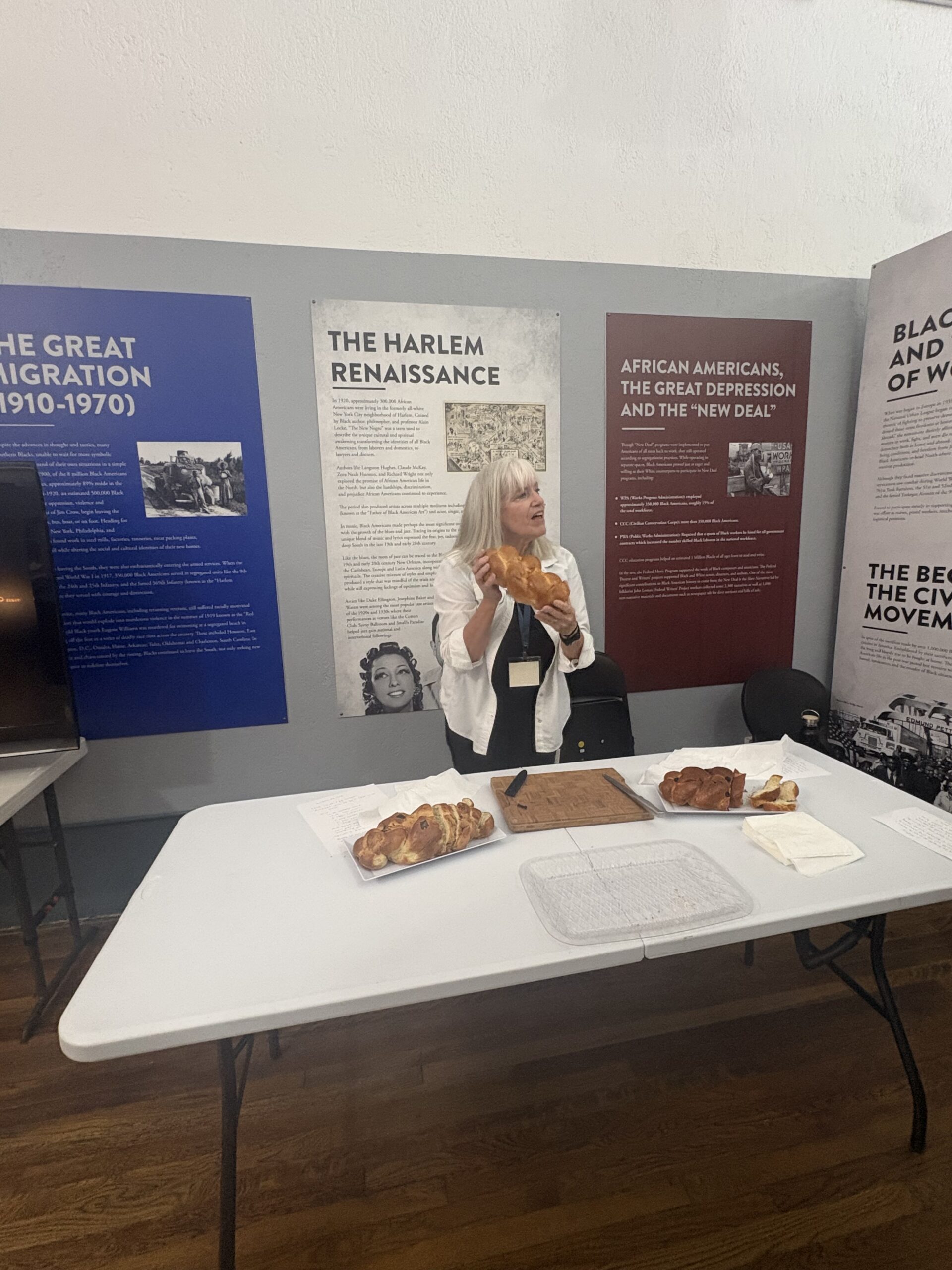
The week featured a powerful virtual presentation by Holocaust survivor and hidden child Herb Barash, followed by an in-person presentation from hidden child Andy Holten, whose firsthand experiences brought history to life and reinforced the importance of preserving survivor voices. Educators also visited Congregation Albert, where Rabbi Micah Citron introduced participants to Jewish culture and traditions and facilitated meaningful conversations about faith, identity, and community.
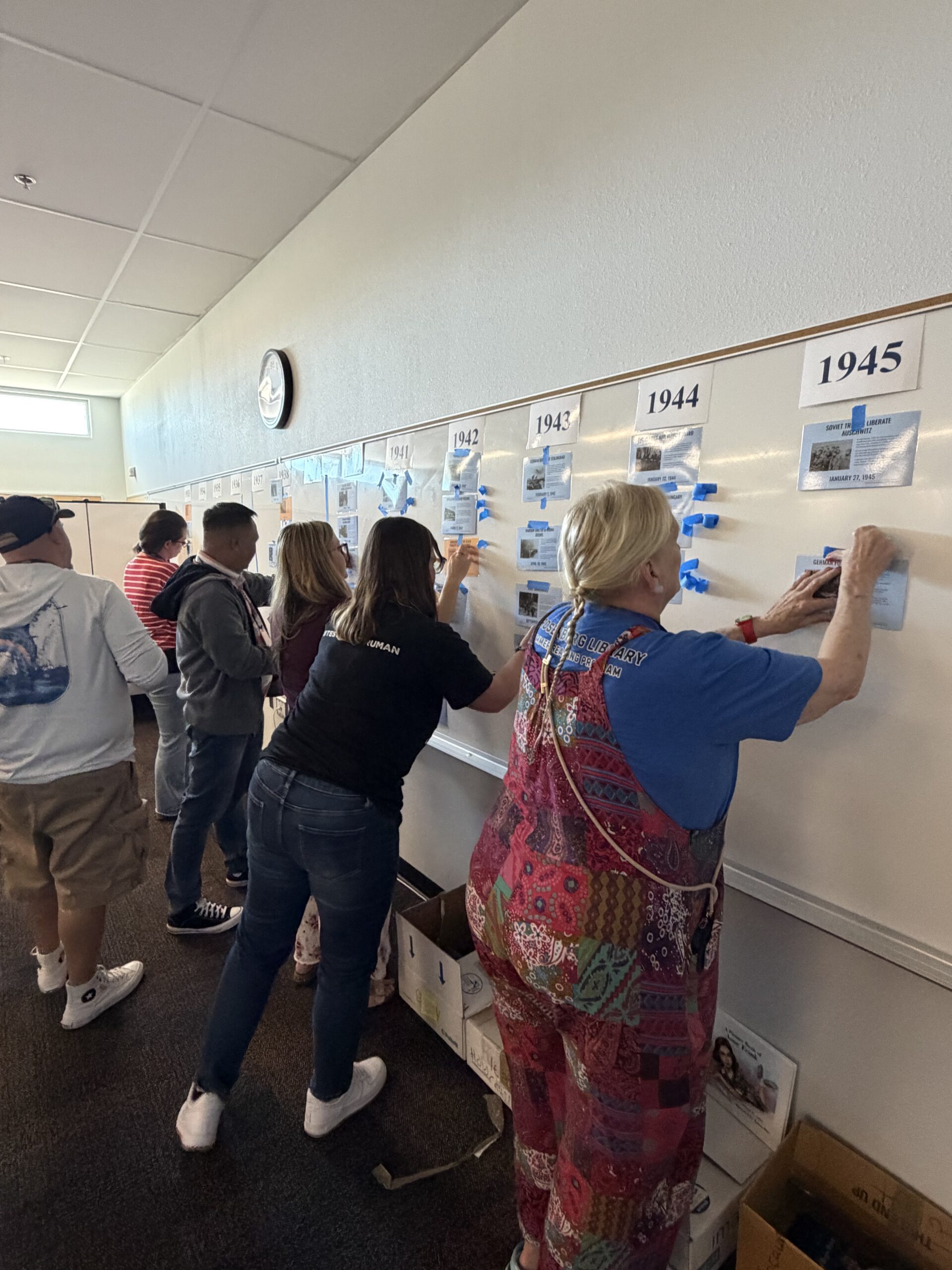
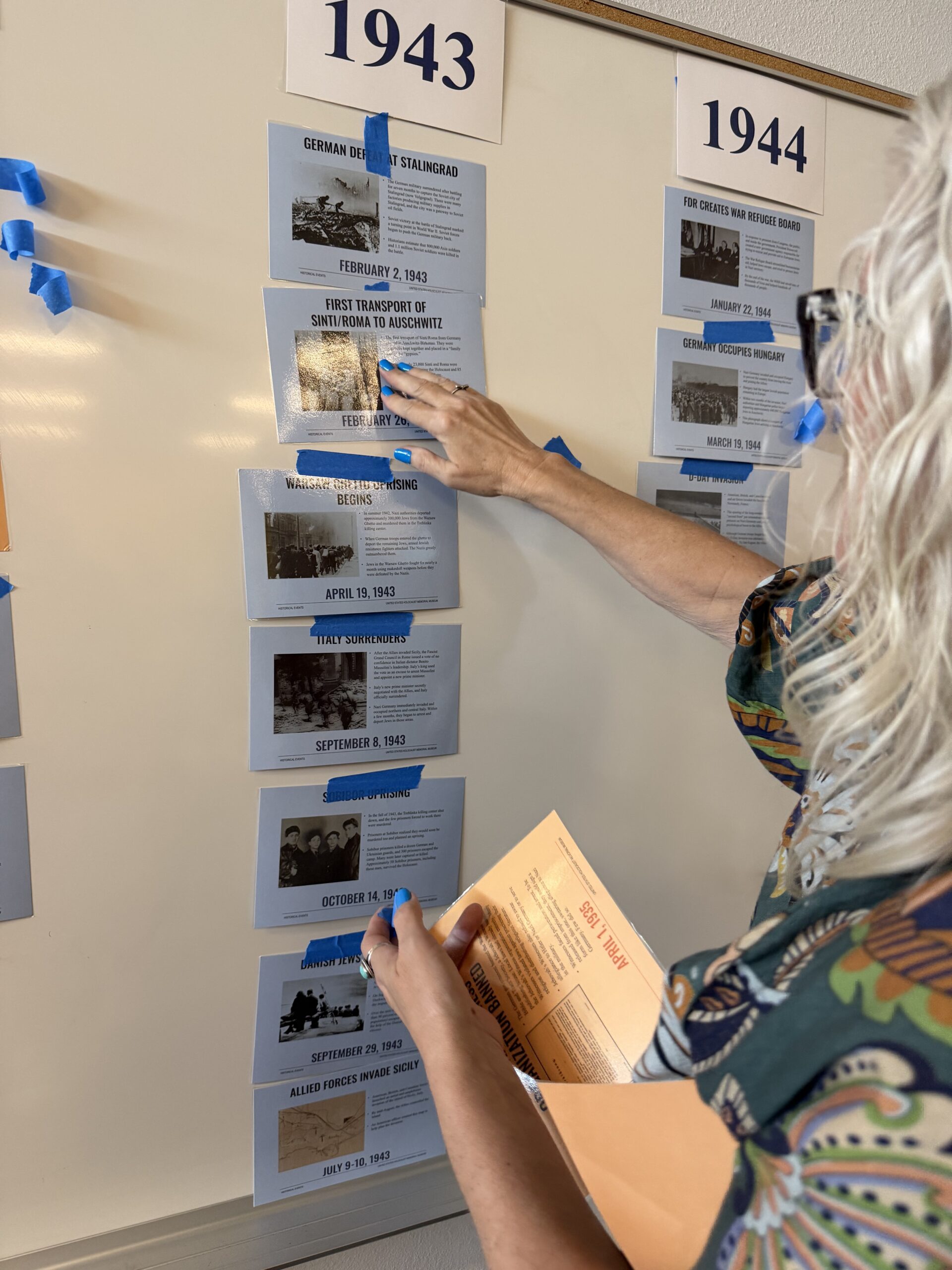
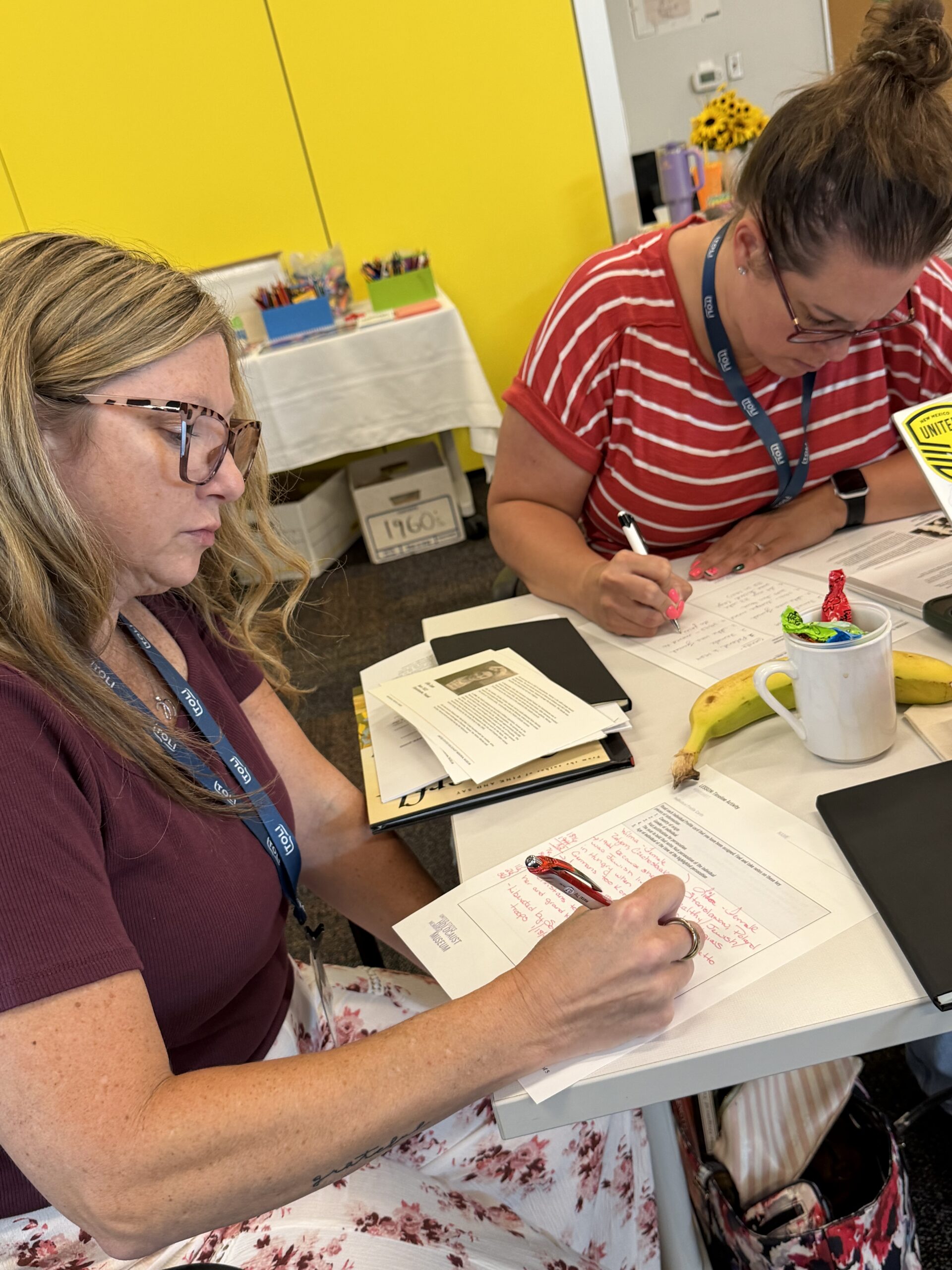
Participants engaged deeply with classroom resources from Echoes & Reflections and the United States Holocaust Memorial Museum, examining antisemitism, the rise of the Nazi Party, and the choices made by individuals, communities, and governments during the Holocaust. Through activities such as the USHMM Timeline Exercise, Socratic Seminars, and discussions of literature including Maus and Everything That Rises Must Converge, educators explored both historical events and their contemporary relevance.
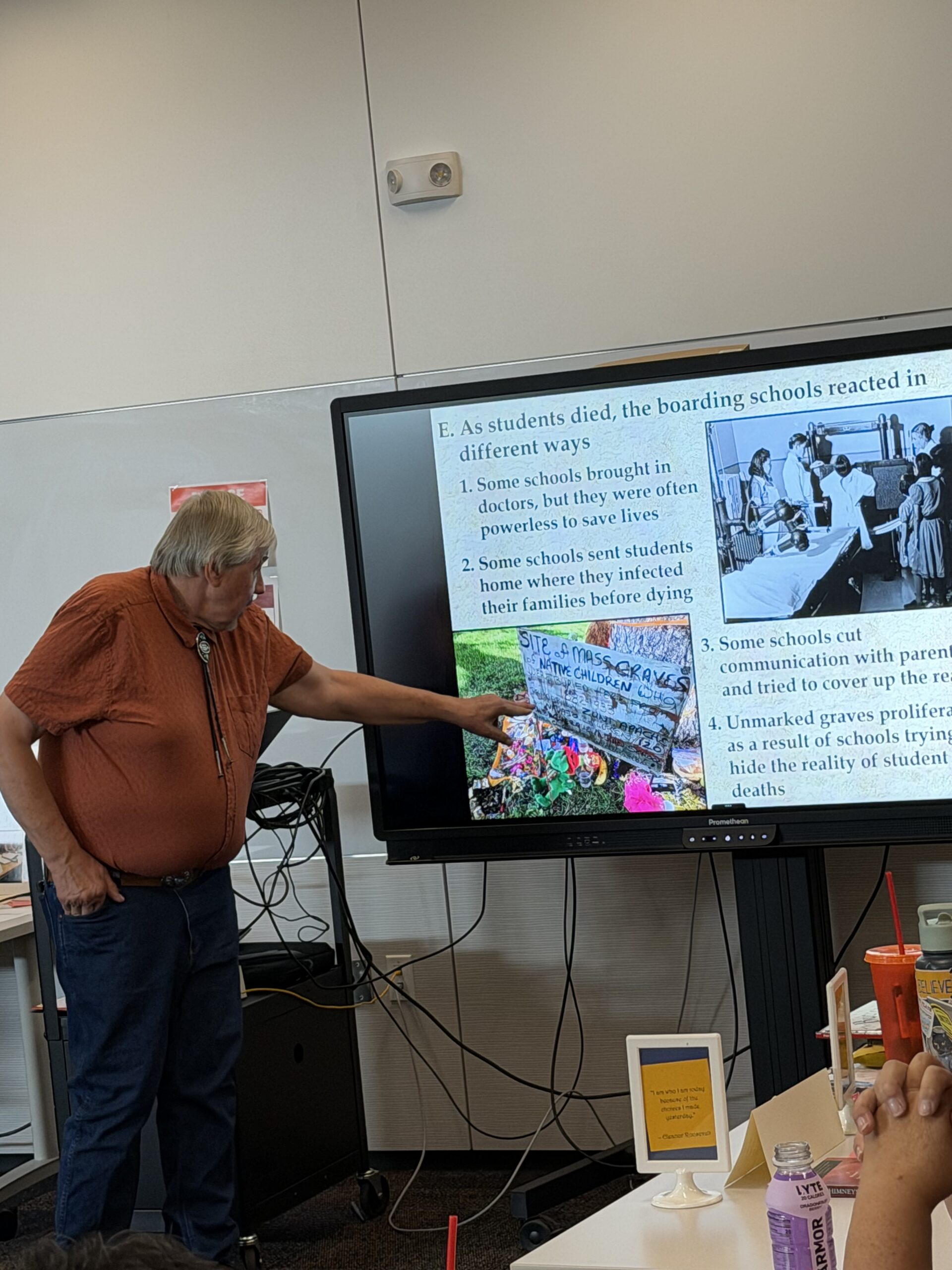
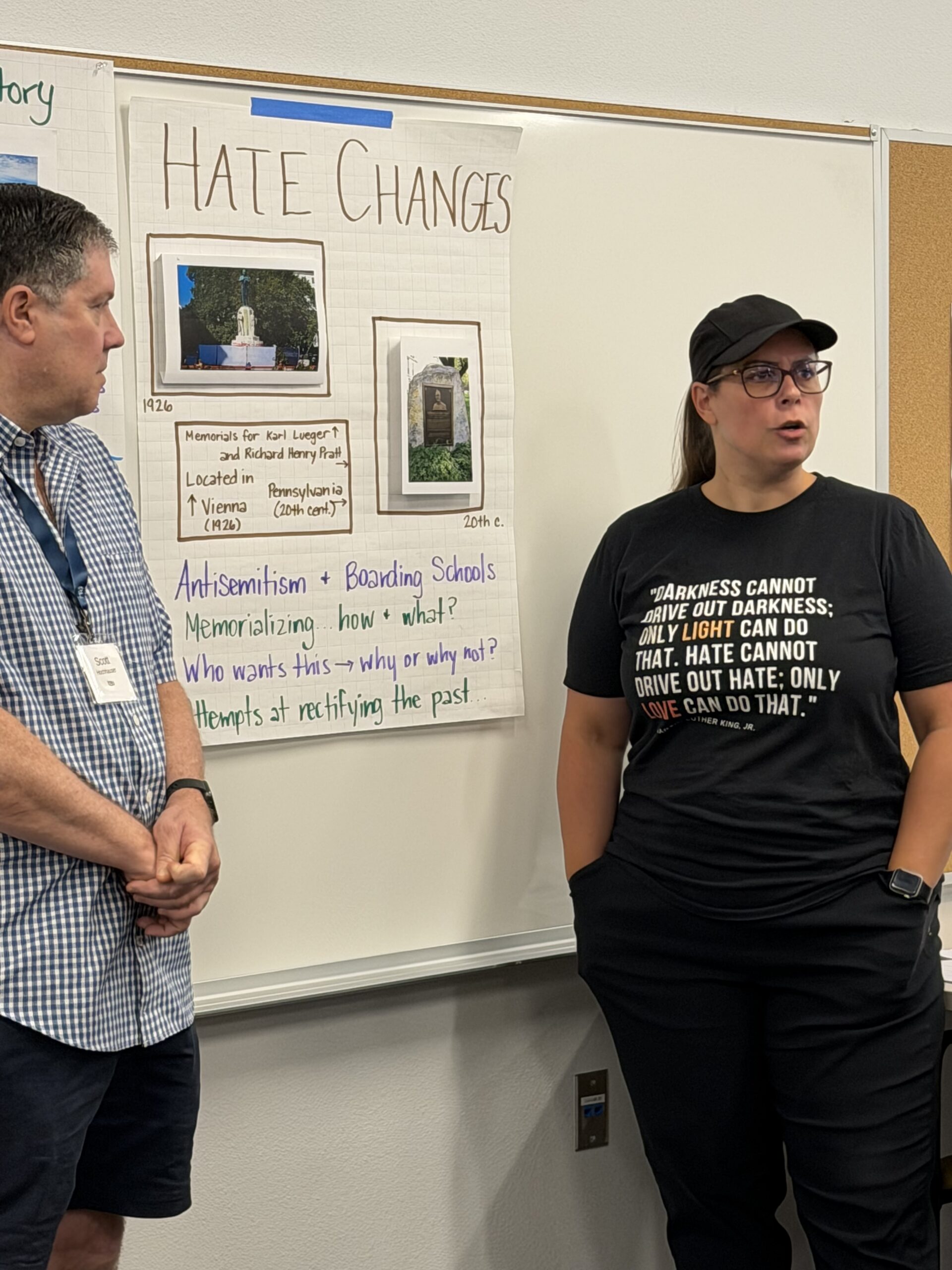
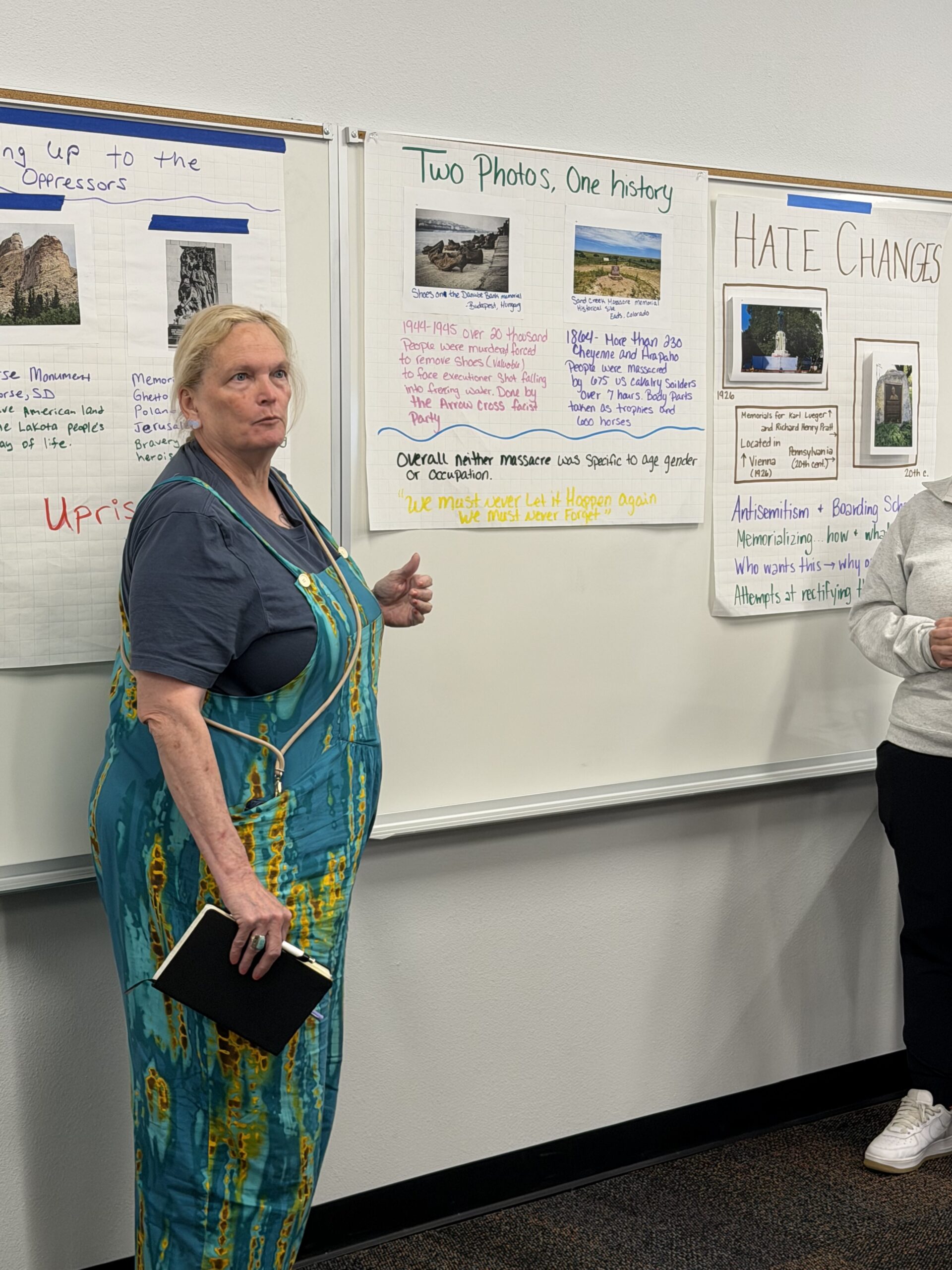
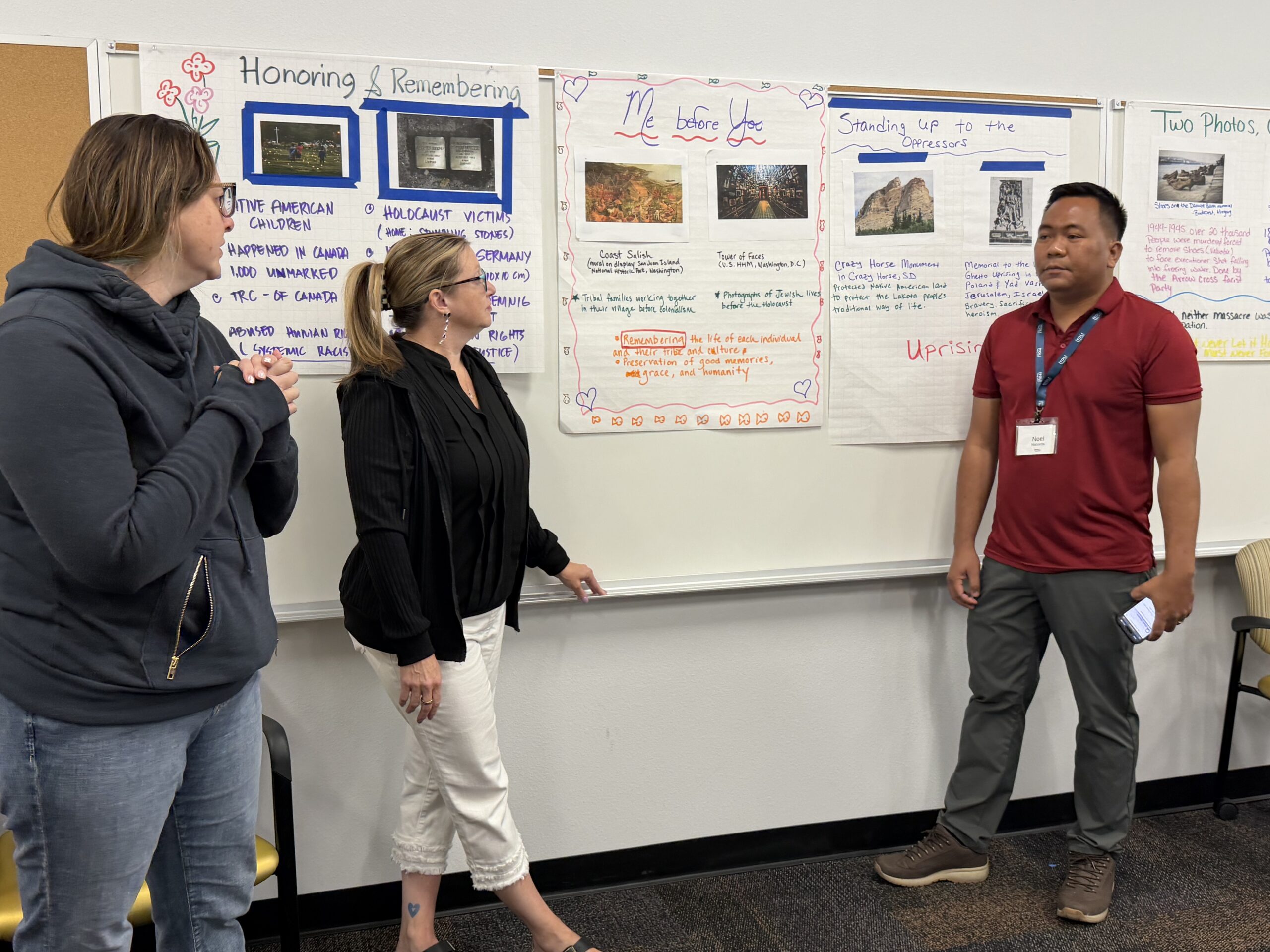
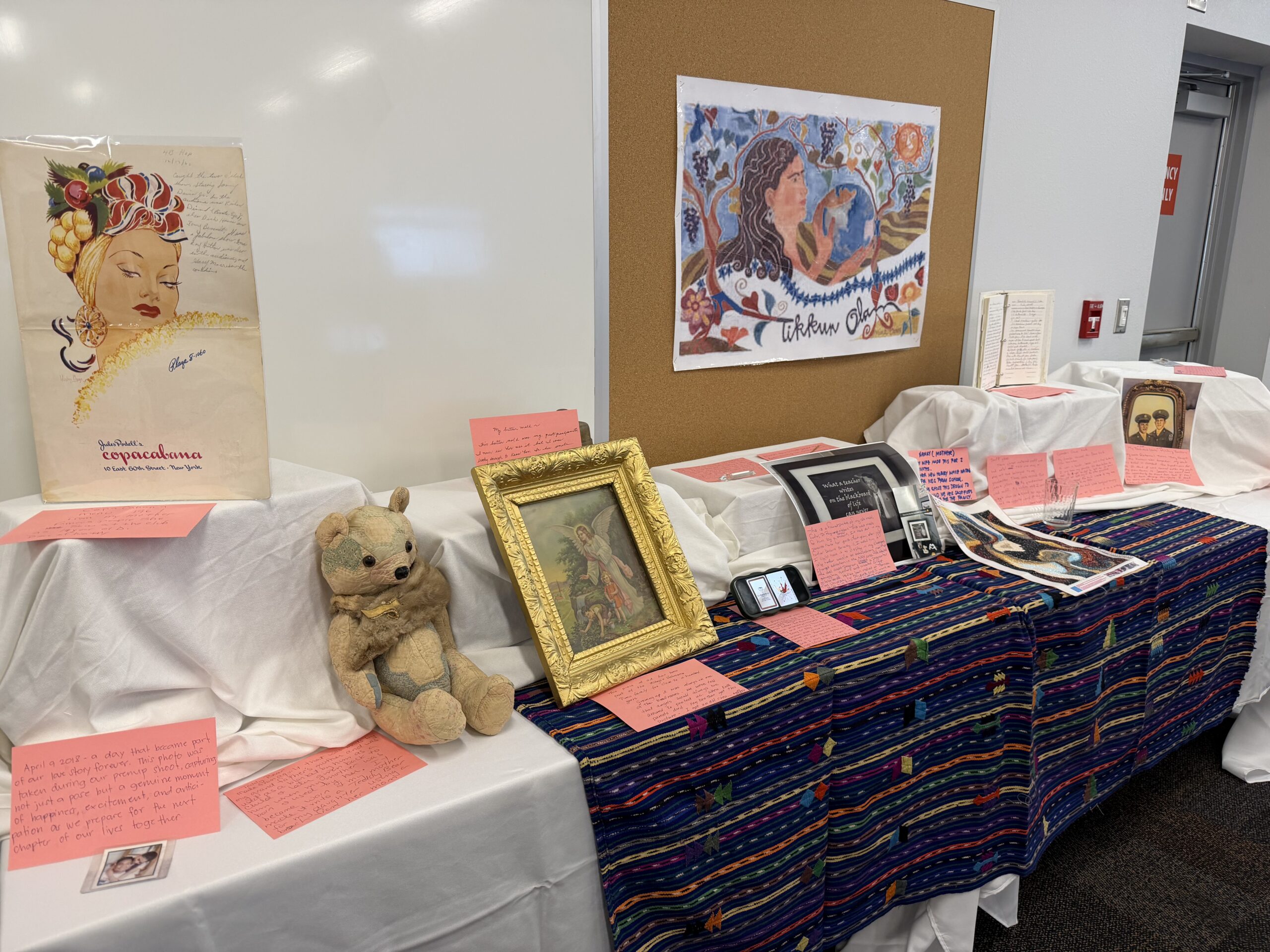
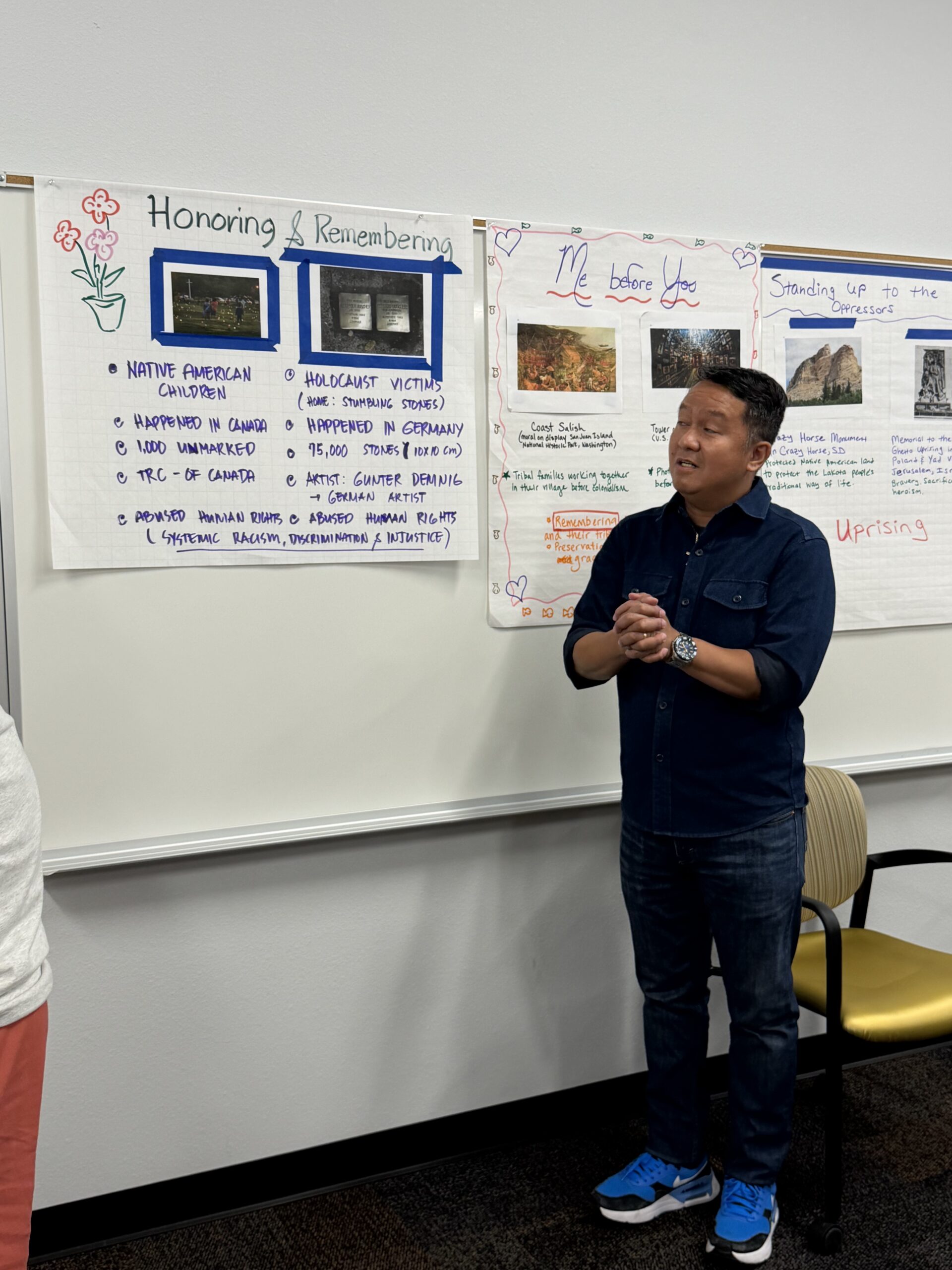
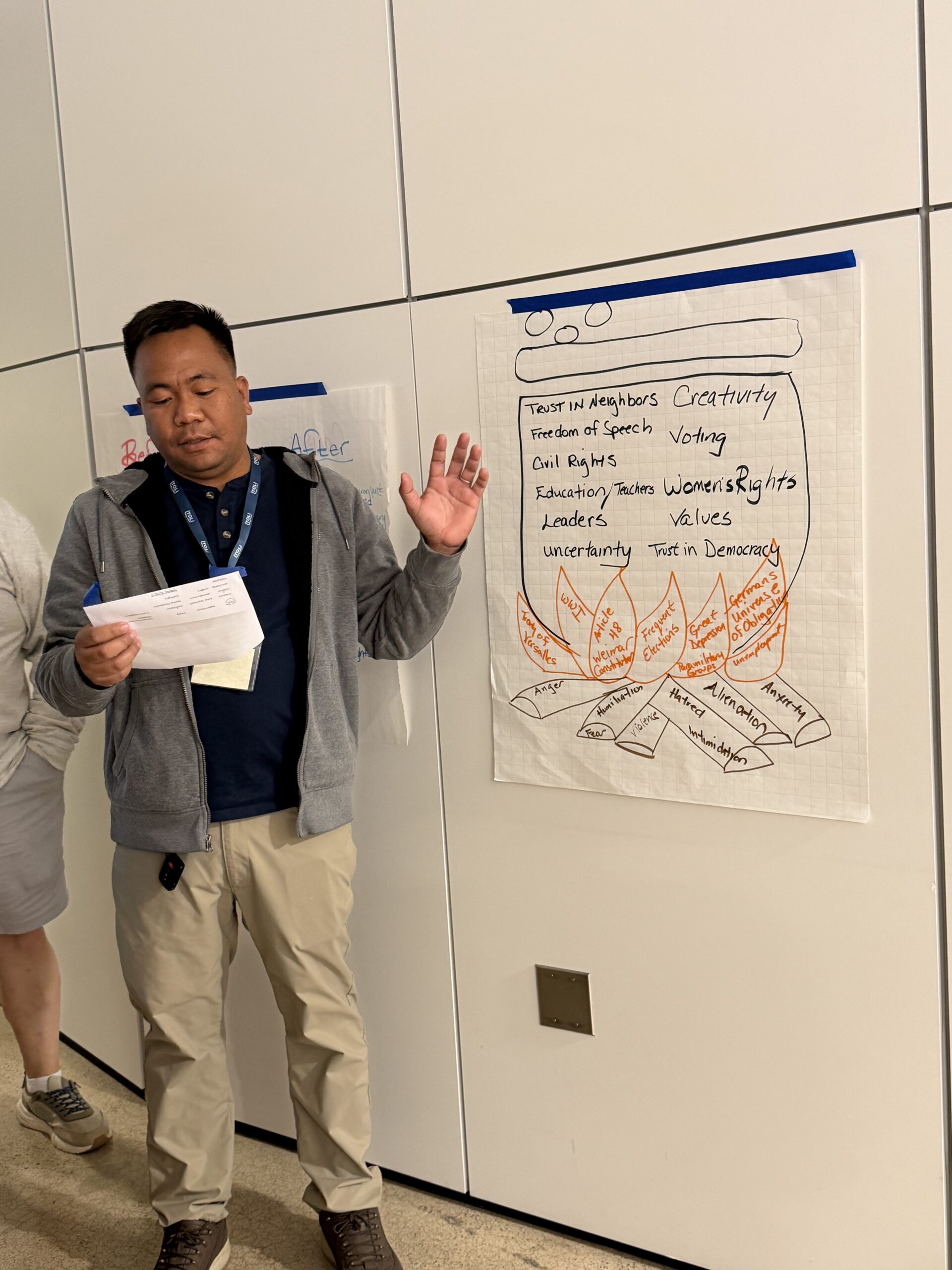
The seminar also connected Holocaust education to local histories and contemporary issues. Sessions led by Dr. Joseph Suina and Dr. Joseph Weixelman examined Indigenous experiences, including the legacy of boarding schools and questions of cultural genocide, encouraging participants to consider how societies remember difficult histories. Additional workshops focused on identity, moral decision-making, the “Universe of Obligation,” and strategies for teaching complex histories in ways that foster empathy and critical thinking.
Educators left Albuquerque with new perspectives, practical teaching strategies, and a wealth of classroom-ready lessons and resources to help students examine the consequences of human choices, the dangers of prejudice, and the responsibilities of citizenship.
Thank you to our facilitators, speakers, community partners, and dedicated educators for making this transformative week possible.
With thanks to Dr. Mary Pratt for her generous ongoing support of this seminar.

Leaders
-
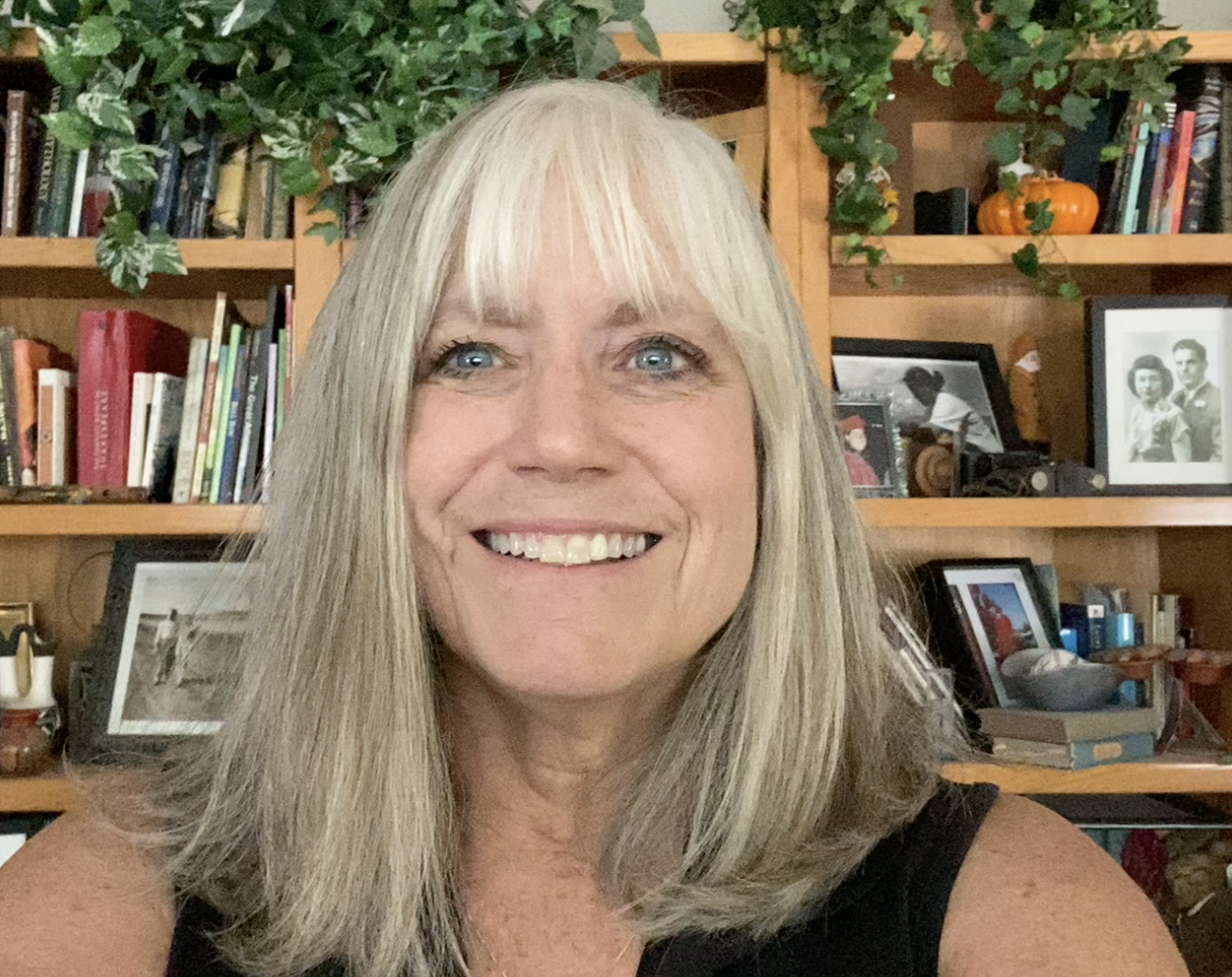
Barbara Lazar
Barbara Lazar is a veteran middle school teacher and librarian. She has continually valued teaching the Holocaust and social justice through literature, writing, and art. She has been working with TOLI since 2015, participated in the flagship TOLI Leadership Seminar in New York in 2023, is a Belfer Conference alumnus, and as part of the Educational Leadership team for the New Mexico Holocaust and Intolerance Museum, she maintains her passion for the importance of Holocaust and human rights education, and working with educators.
-
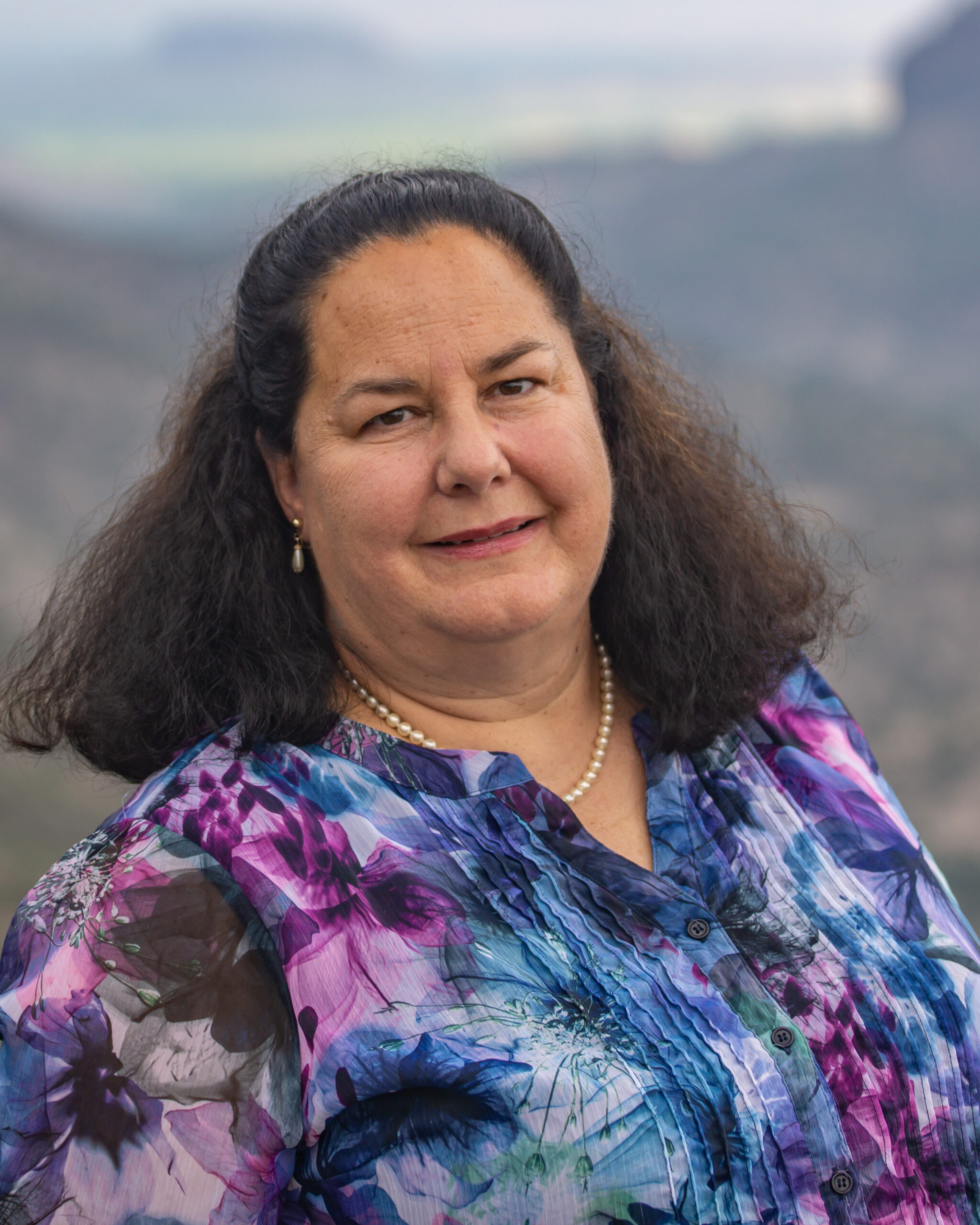
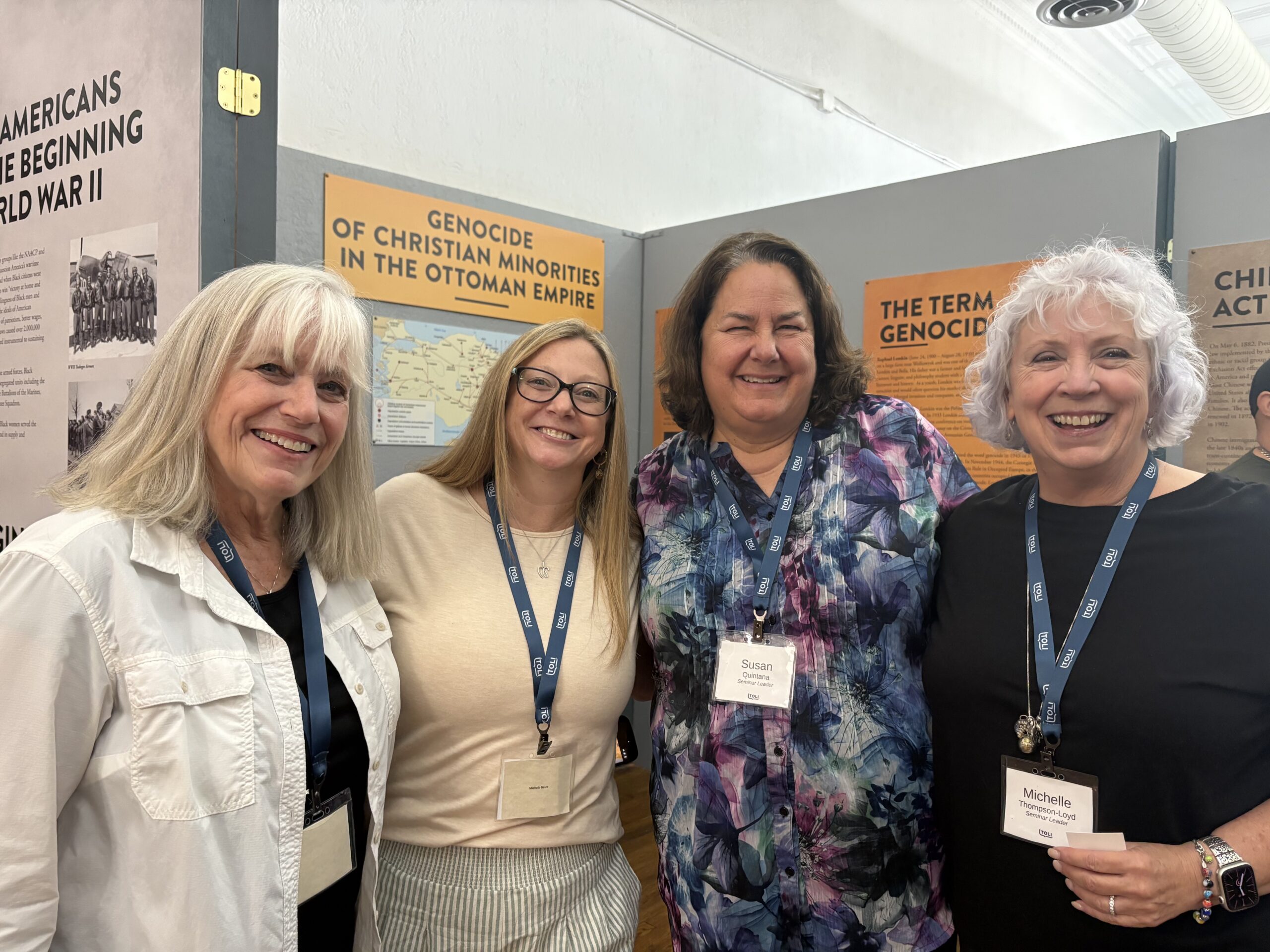
Susan Quintana
Susan Quintana, a 34-year teaching veteran, taught Humanities, Mock Trial, World History and 20th Century Genocide History at Pojoaque Valley High School in Pojoaque, New Mexico. She is a United States Holocaust Memorial Museum Fellow, and a Golden Apple recipient. She was Pojoaque Valley Schools Teacher of the Year and recognized with an Excellence in Teaching Award by the Lanl Foundation. Susan attended the TOLI New York Summer Seminar in 2012. She is passionate about social justice issues as they resonate today in classrooms and communities in New Mexico.
-
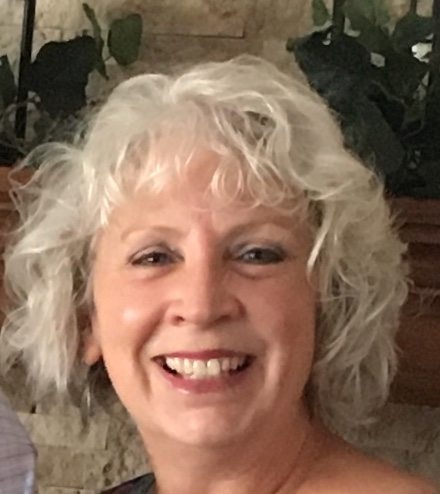
Michelle Thompson-Loyd
Michelle Thompson-Loyd, a veteran elementary and high school teacher, is a 2016 graduate of the TOLI Summer Institute in New York. She taught AP US History, U.S. History, and Constitutional Law for 13 years. She has also taught Great Books, Contemporary Issues and Mentorship, and was an AVID coordinator for the Albuquerque Public Schools. She is a reader leader for the AP US History exam.