Romania
Date: July 20-24, 2026
Location: Cluj-Napoca, Romania
Romania
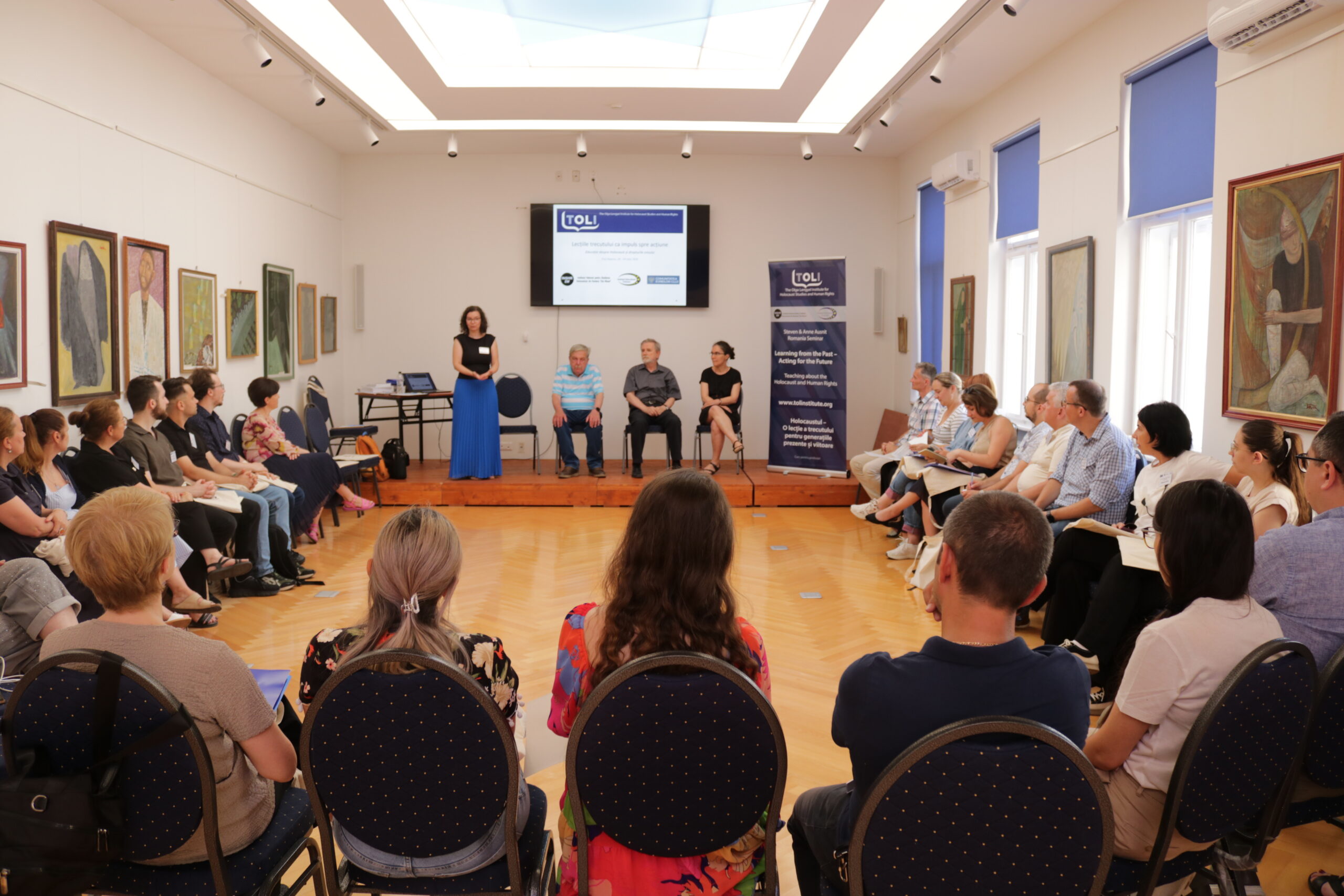
Since 2012, TOLI has organized yearly seminars in partnership with the Elie Wiesel National Institute for the Study of the Holocaust in Romania and with the Intercultural Institute Timisoara, for groups of 30-35 teachers.
The aim of the seminars is to contribute to increasing the quality of education regarding the Holocaust and human rights in Romania. The program provided a rich opportunity to integrate national and international approaches in teaching about these topics and in understanding the contemporary relevance of this important part of modern history.
The objectives of the program are to:
- Develop teachers’ coherent understanding of the Holocaust, based on historical facts;
- Develop teachers’ understanding of the impact of stereotypes, prejudices and discrimination at individual, group and society level;
- Promote positive values for life in a diverse world, such as: respect, interculturalism, dialogue and appreciation of the other;
- Develop teachers’ knowledge of the Roma Genocide;
- Develop teachers’ competences to teach the history of the Holocaust in an innovative, student-centered way and implement local and international projects;
- Approach the connection between Holocaust education and human rights education as a means to better understand the past and to act for the future.
- Understand and counter Holocaust distortion.
About the 2026 Program
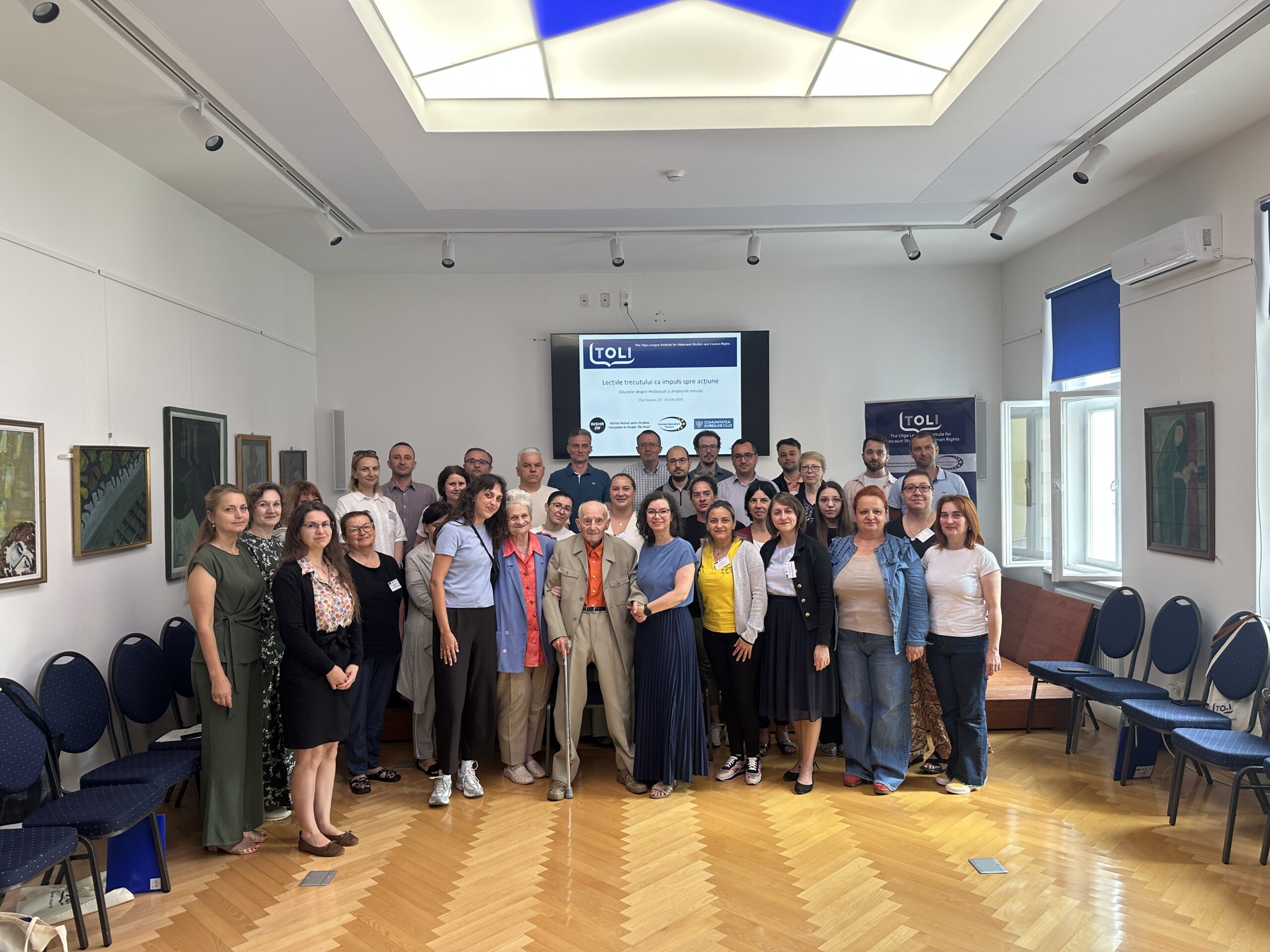
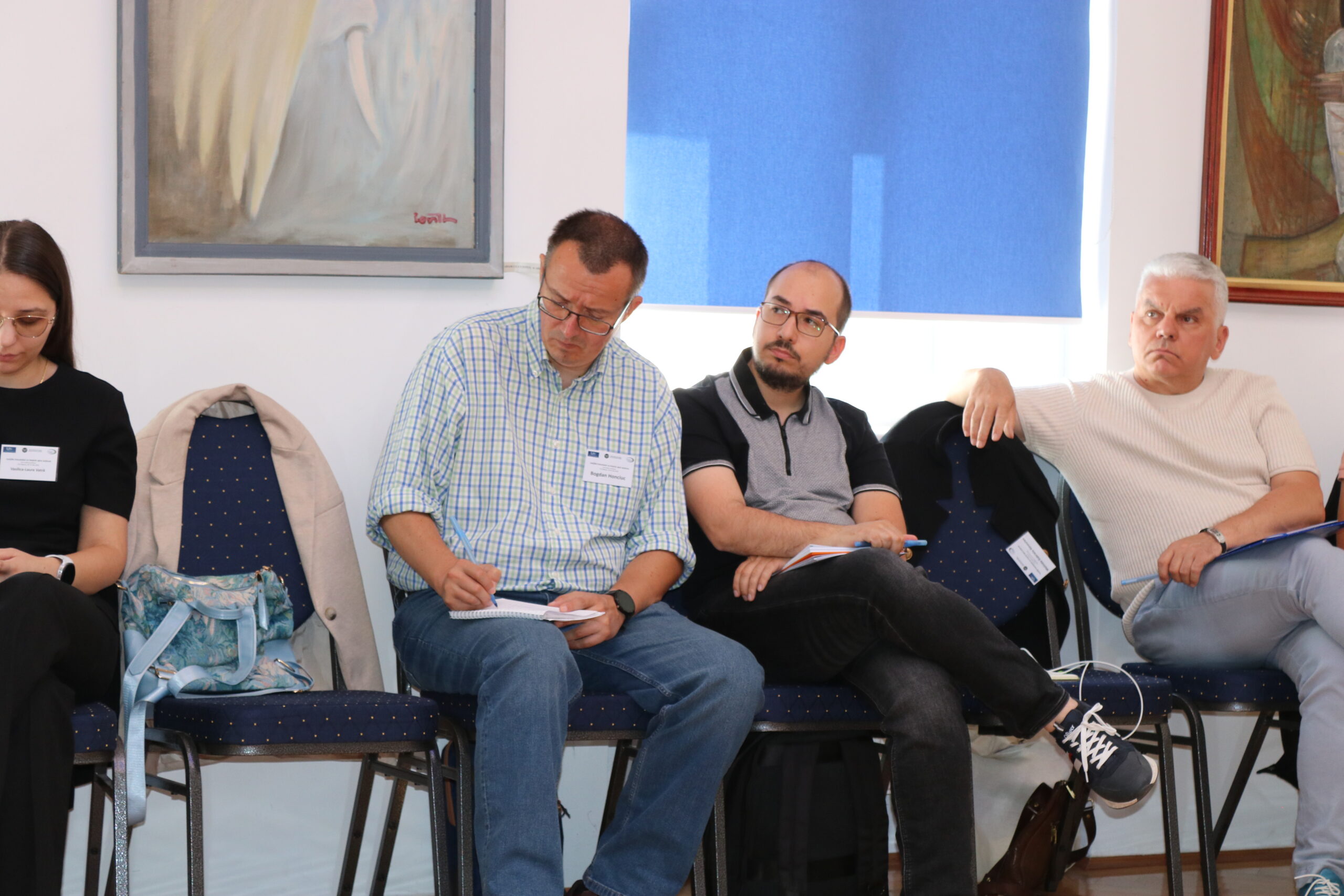
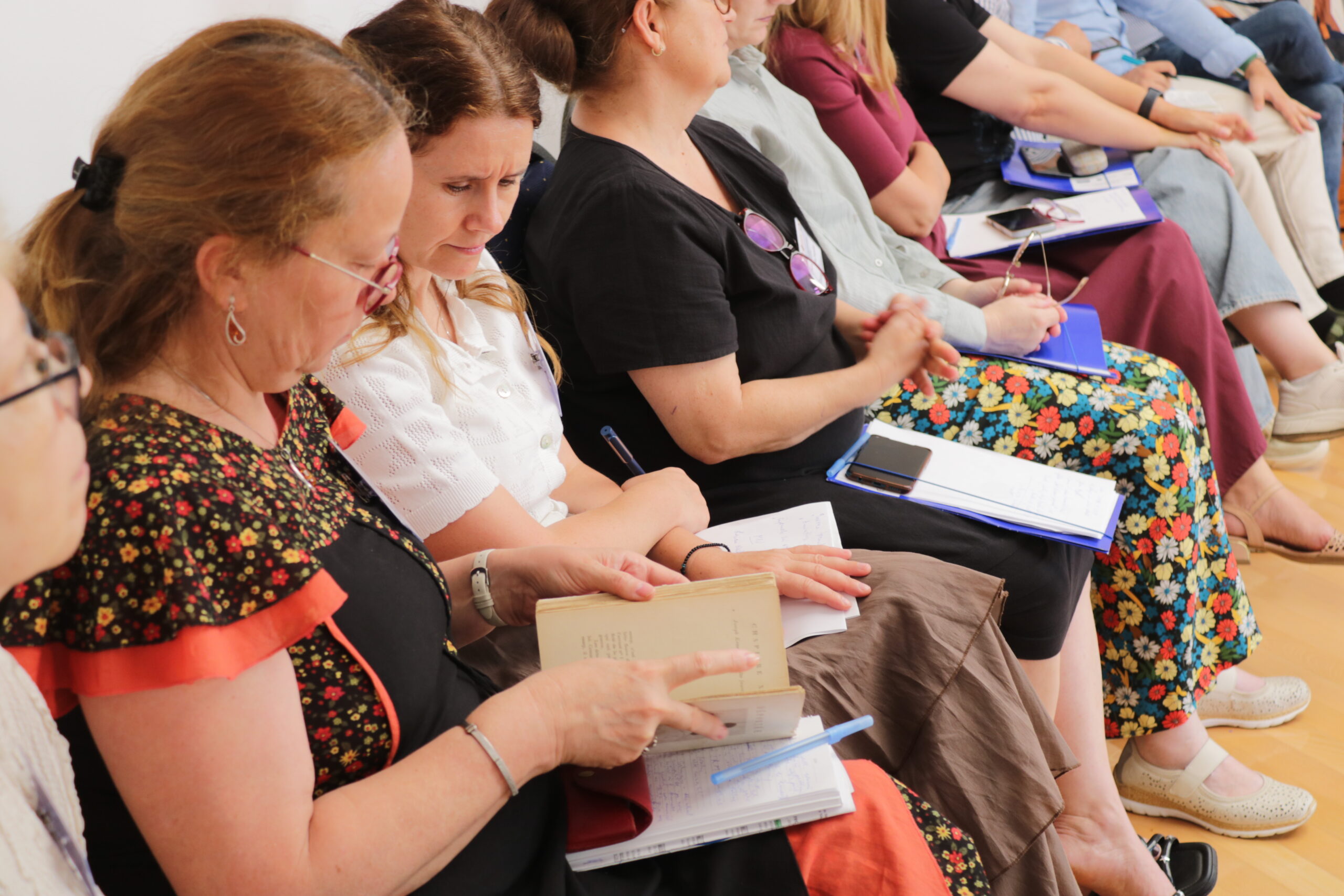
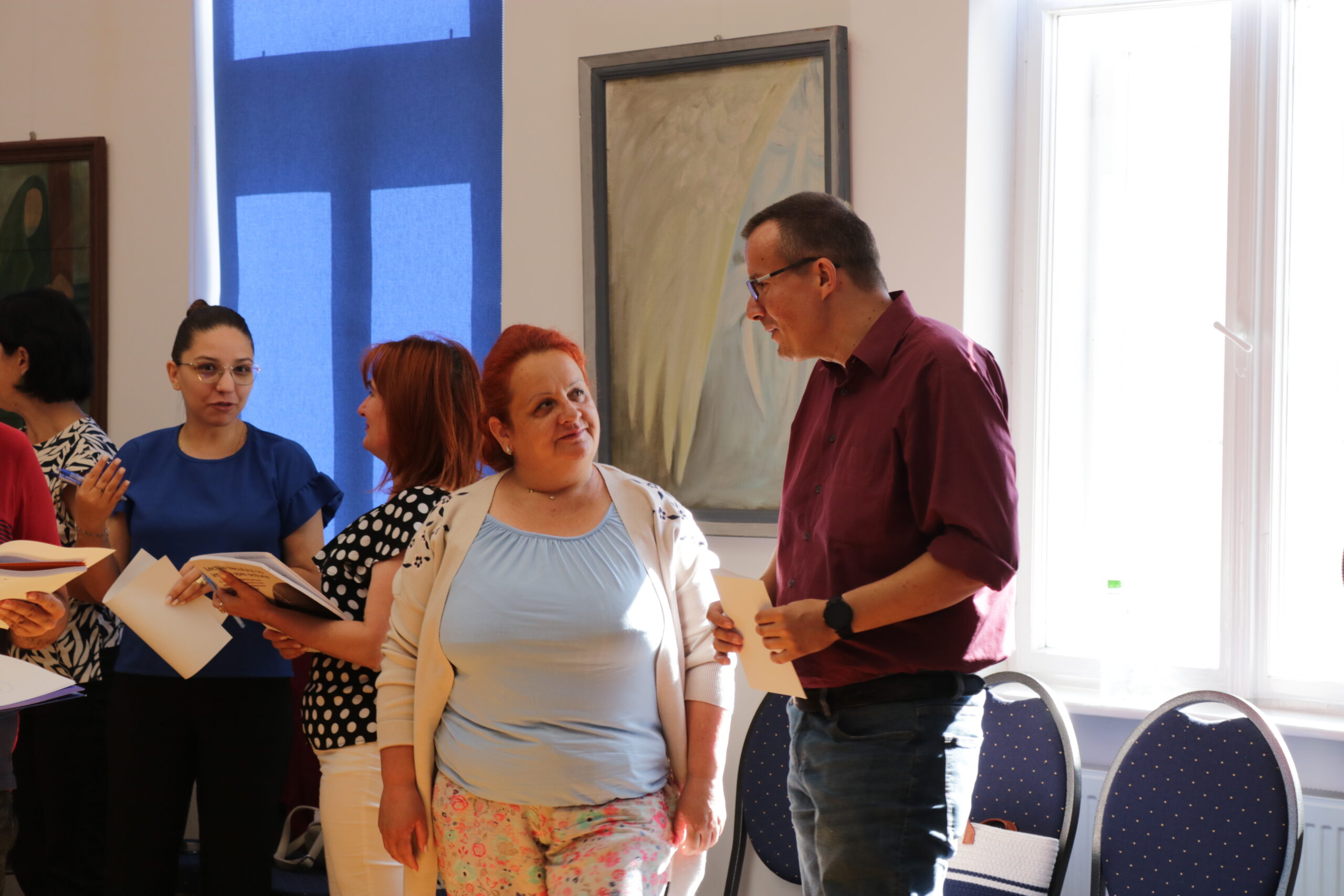
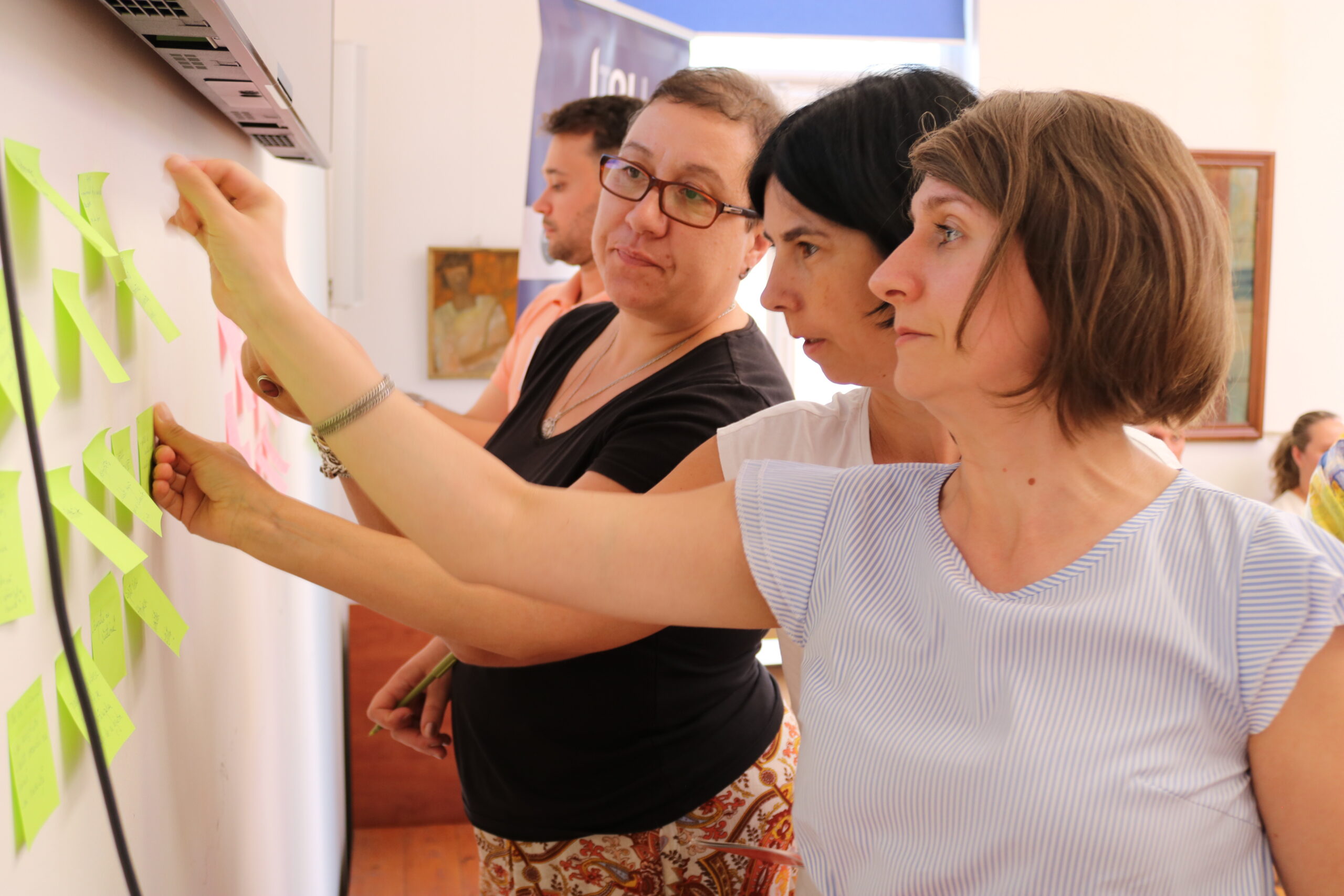
Thirty-one dedicated educators from across Romania gathered in Cluj-Napoca from July 20–24 for the 15th edition of TOLI’s “Learning from the Past, Acting for the Future” seminar.
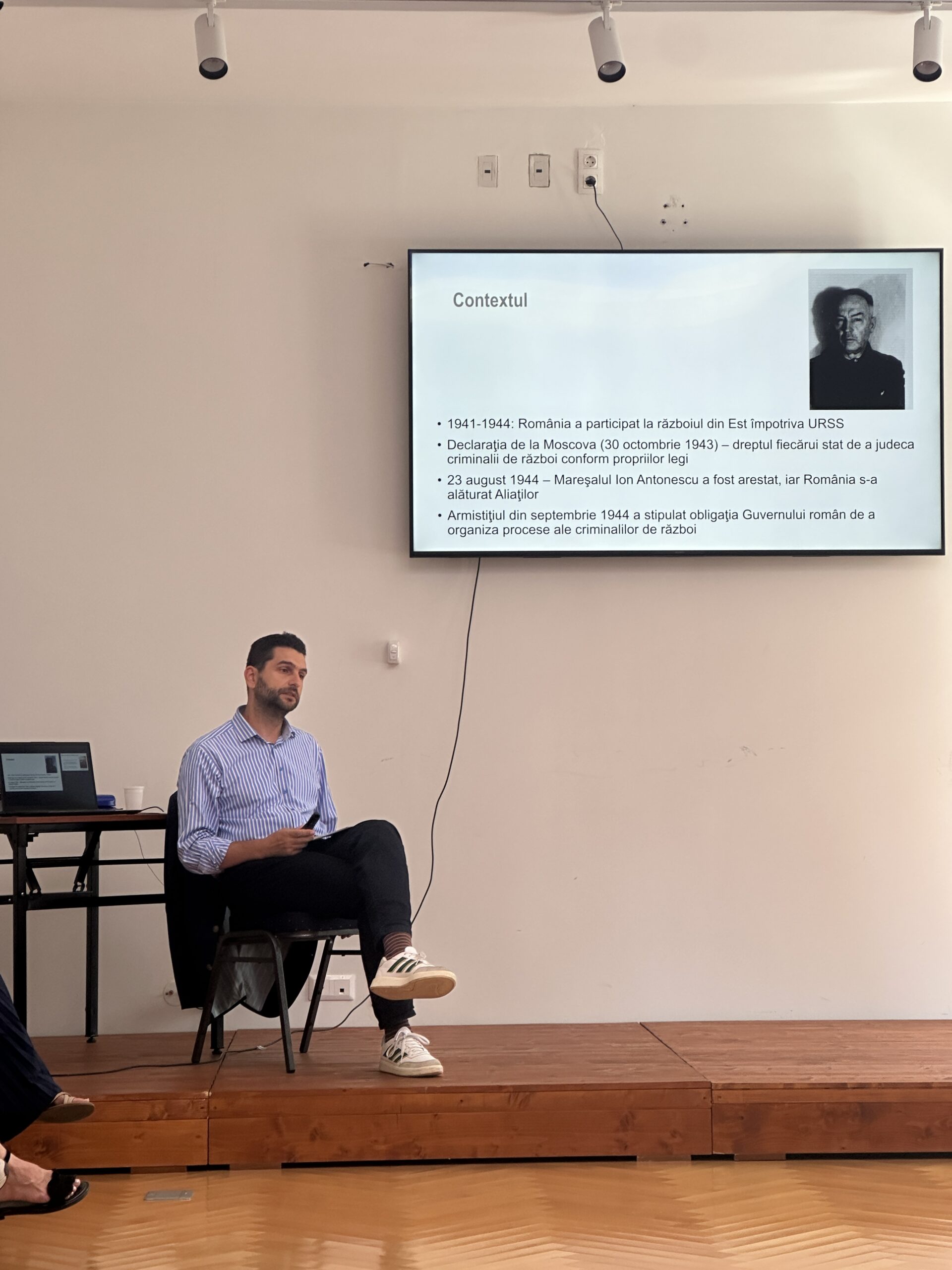
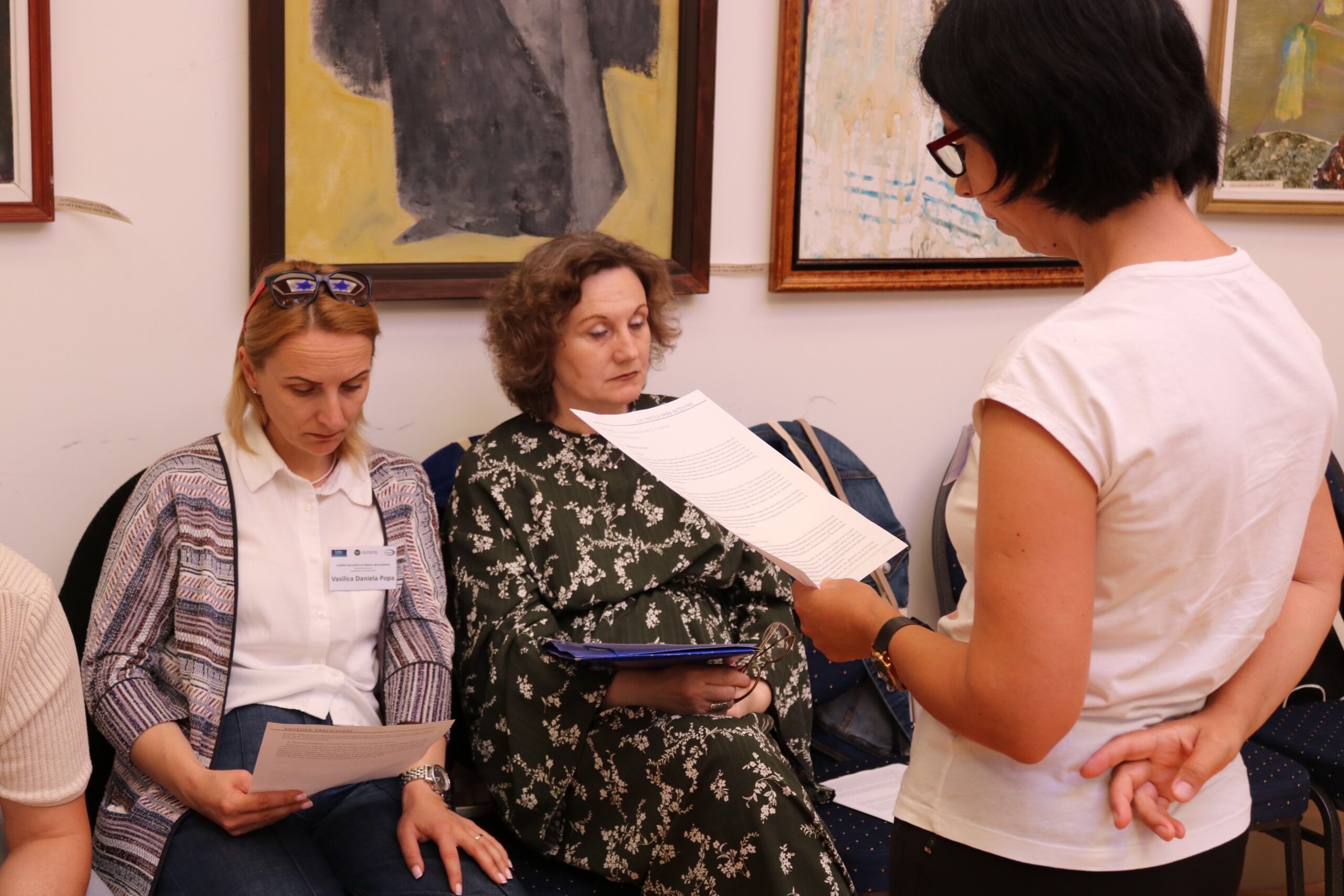
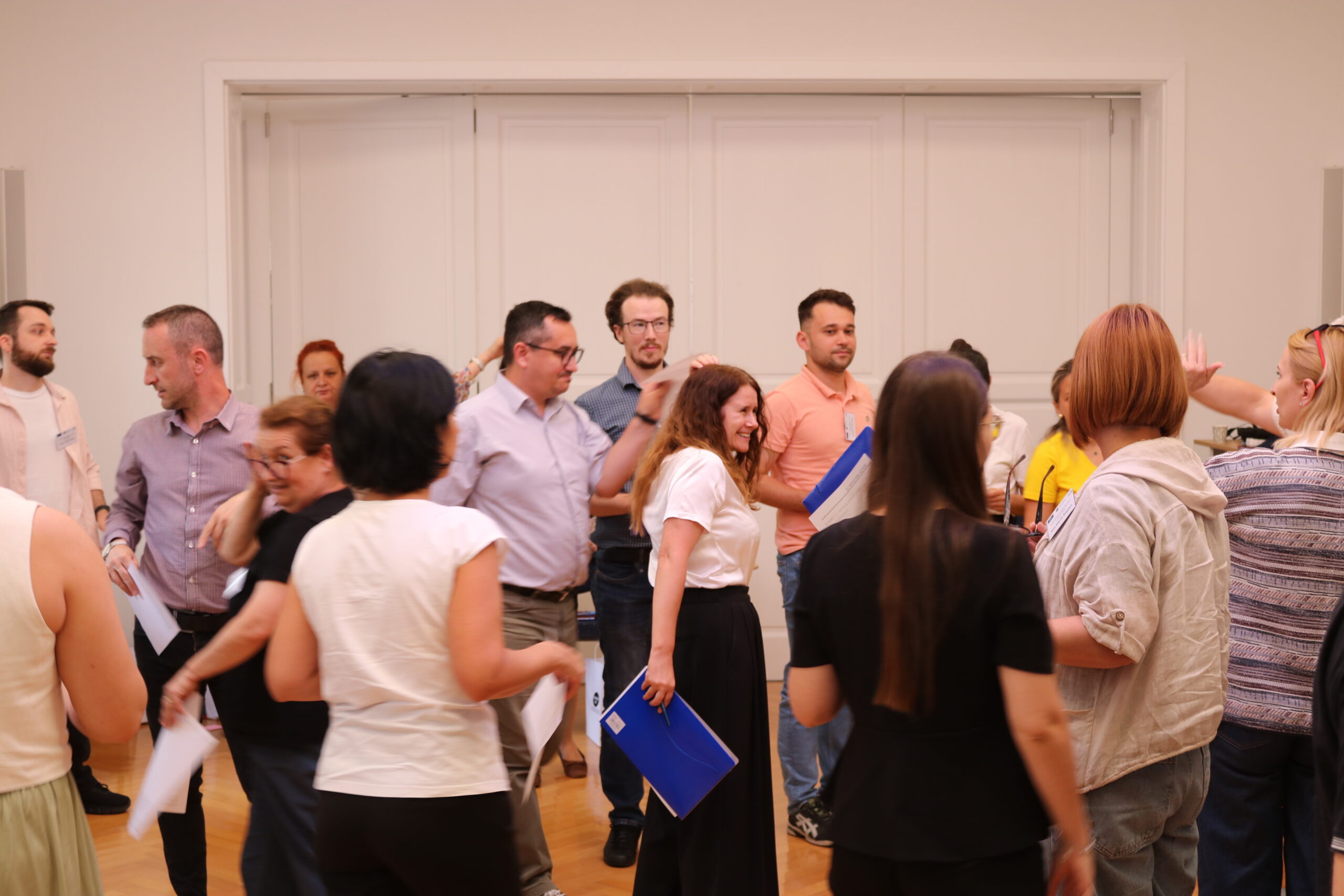
Over five days, participants explored innovative, inquiry-based approaches to teaching about the Holocaust and human rights while examining how to address stereotypes, prejudice, antisemitism, anti-Roma racism, Holocaust denial, and discrimination in today’s classrooms. Through historical inquiry, collaborative discussions, and learner-centered activities, educators connected the history of the Holocaust in Europe, Romania, and Northern Transylvania with the ongoing importance of protecting human rights.
The seminar included meaningful visits to the Cluj-Napoca Synagogue, MuzeON, and sites connected to the Lengyel family, where participants explored how memorial sites can become powerful educational experiences using TOLI’s new Guidelines for Visiting Memorial Sites.
One of the seminar’s most profound moments was meeting 97-year-old Holocaust survivor Vasile Szekely, who shared his experiences of deportation to Auschwitz-Birkenau and Buchenwald before returning to Cluj-Napoca after the war. His testimony was a powerful reminder of our shared responsibility to preserve survivor voices and carry their stories forward.
TOLI is grateful to our partners – the Elie Wiesel National Institute for the Study of the Holocaust in Romania, the Intercultural Institute of Timișoara, and the Jewish Community of Cluj-Napoca – for making this impactful seminar possible. Together, we continue to equip educators with the knowledge and tools to inspire critical thinking, empathy, and civic responsibility in the next generation.
Download TOLI Handbook in Romanian
Impact Grants
Graduates of the seminar have the opportunity to apply for an impact grant to develop projects related to Holocaust education and social justice. The grant consists of financial support and continuous mentorship throughout the school year. Every year, about 30 educators from Romania benefit from the TOLI Impact Grant Program.