Exploring Humanity Through Hard History: Teaching the Holocaust and Racial Injustice in Today’s Classroom
Date: June 22-26, 2026
Location: Leesburg, Virginia
About the 2026 Program
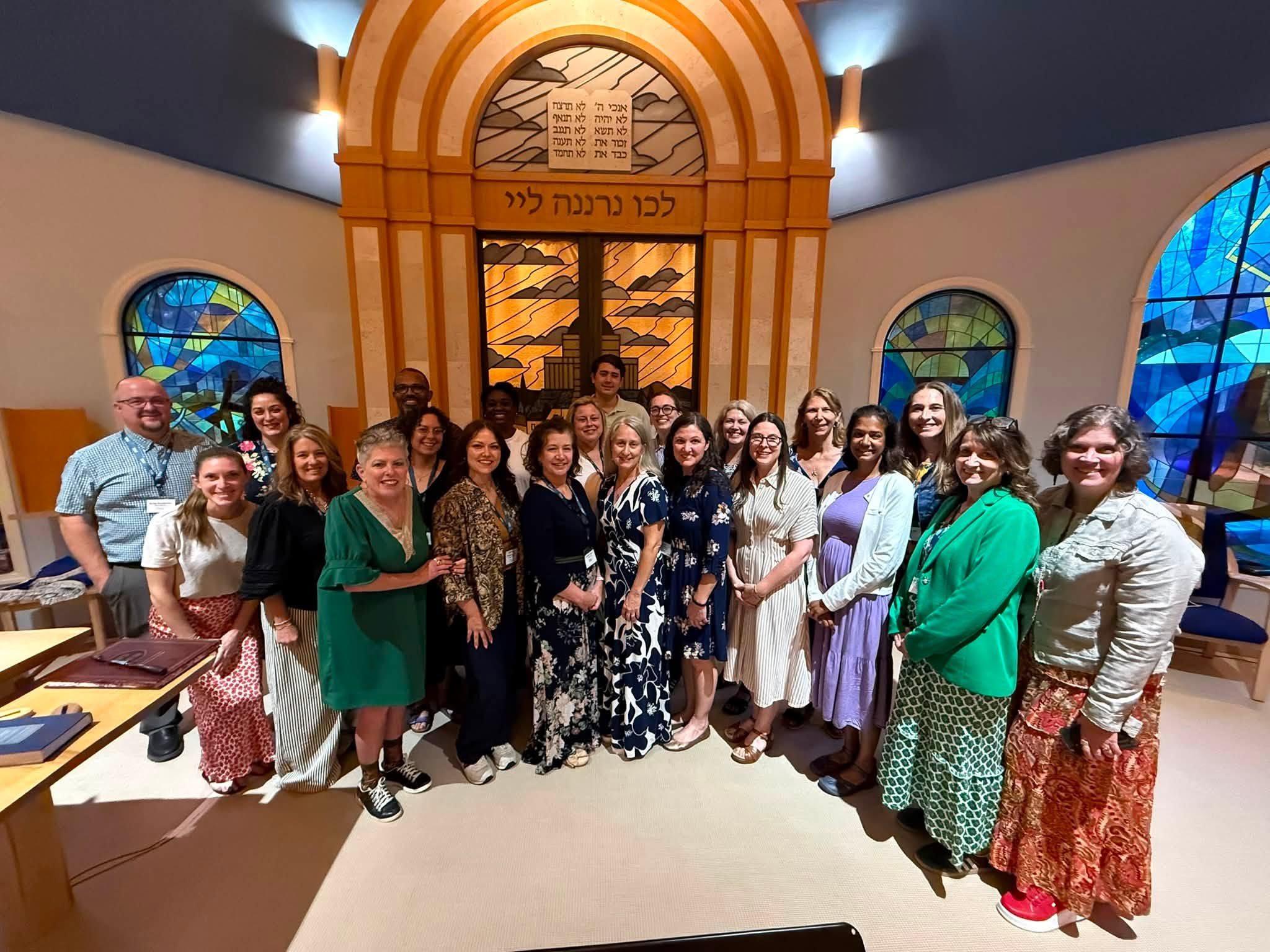
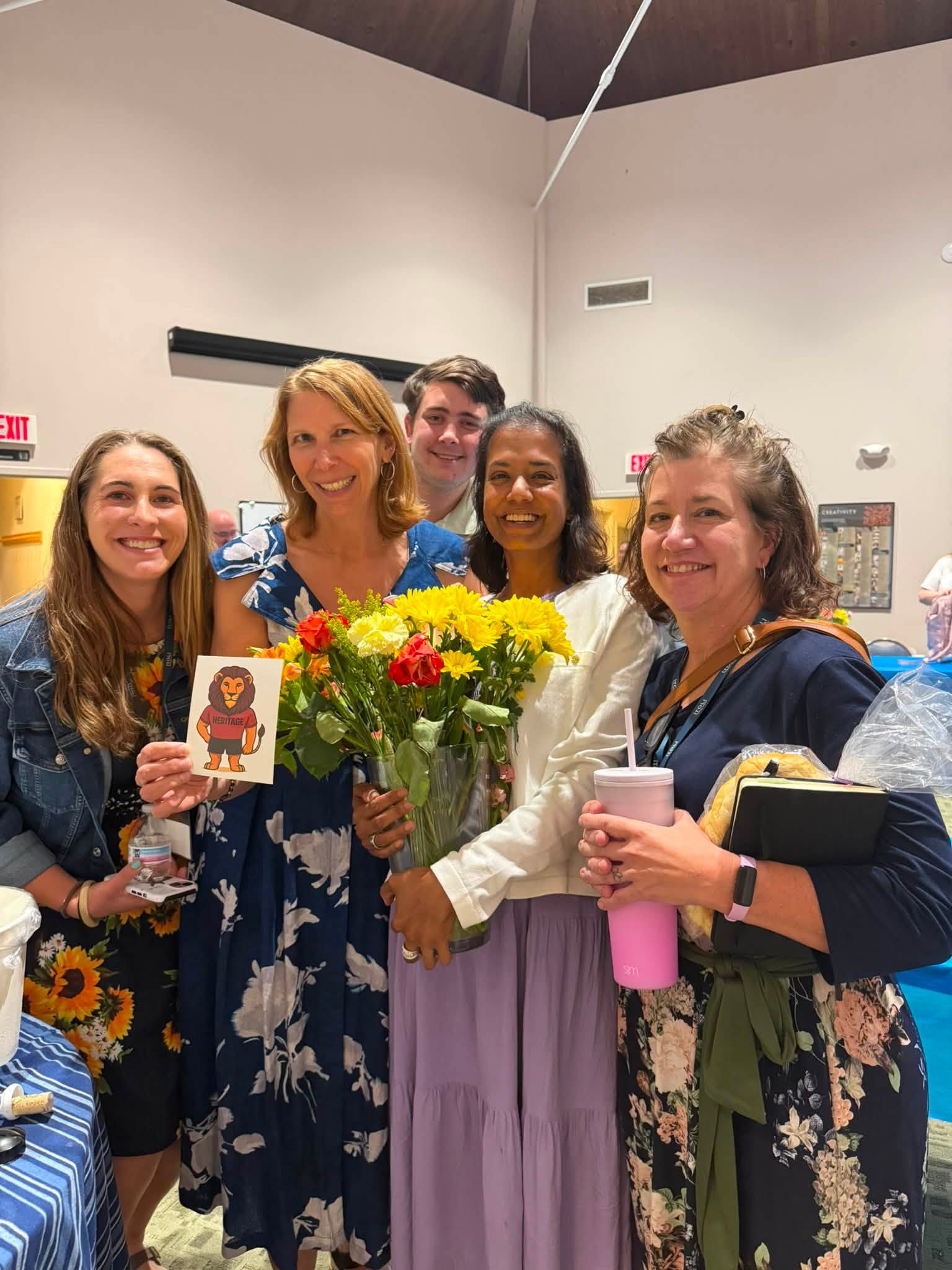
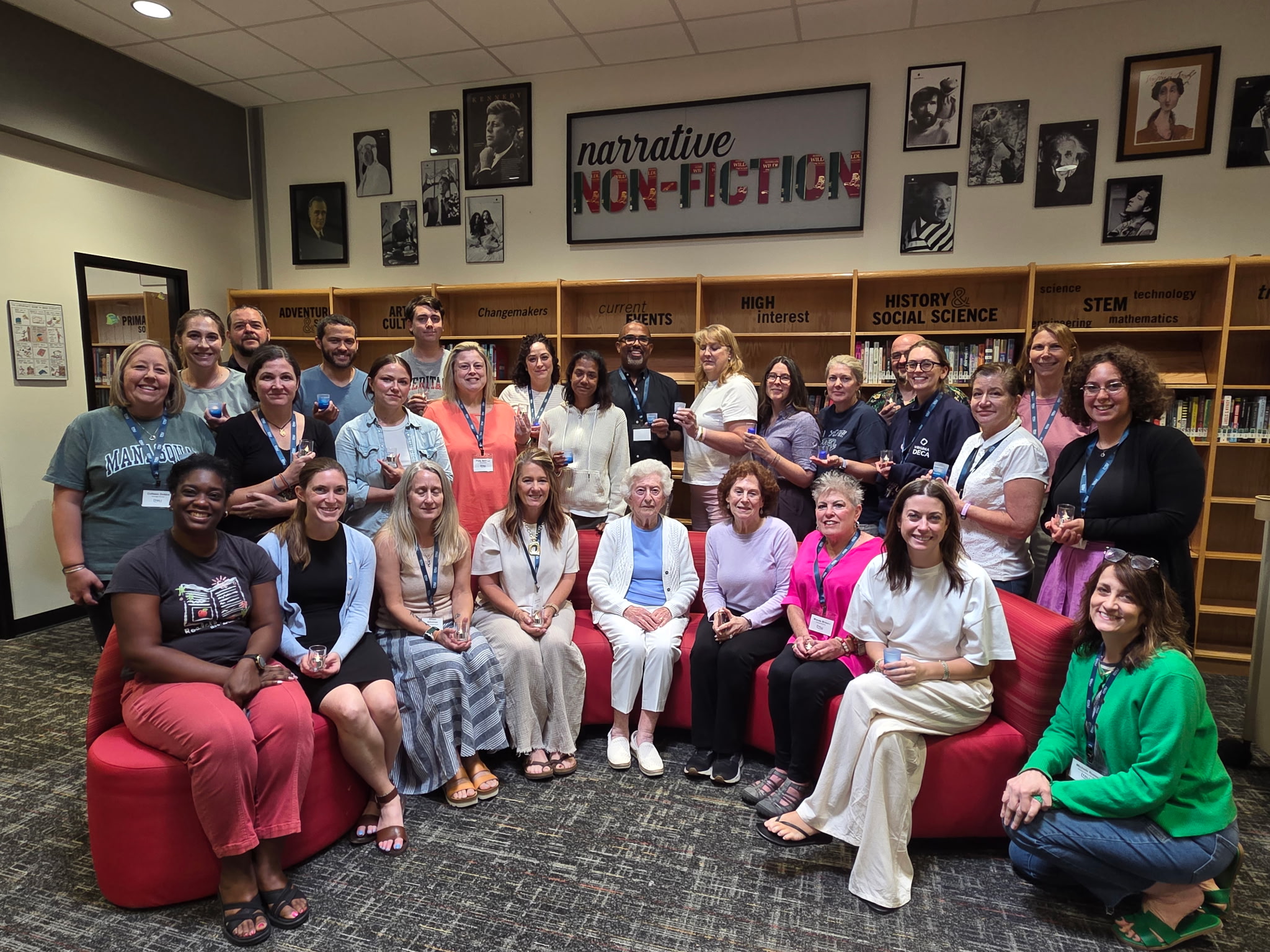
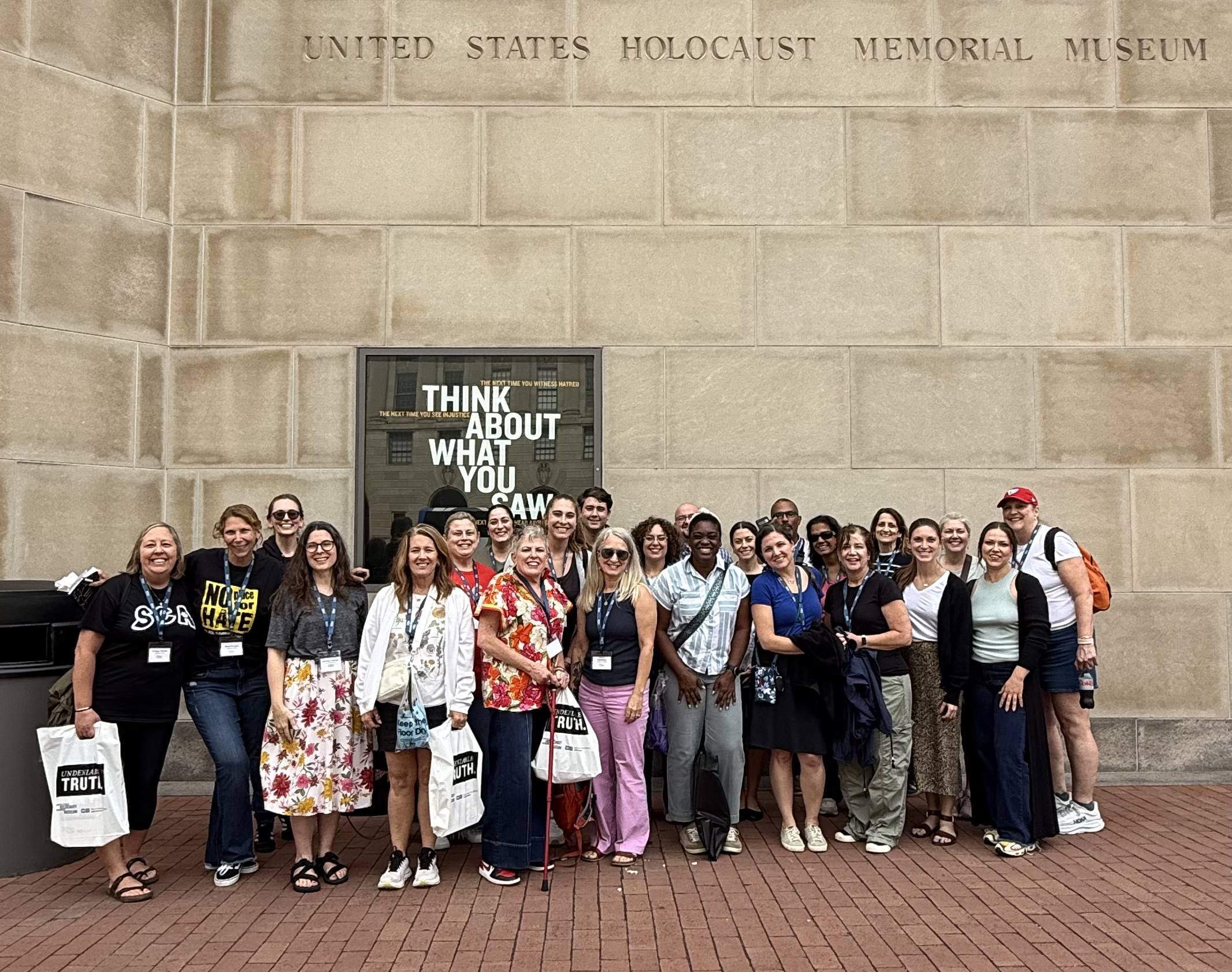
Educators gathered in Leesburg, Virginia, for “Exploring Humanity Through Hard History: Teaching the Holocaust and Racial Injustice in Today’s Classroom,” a collaborative professional learning seminar presented in partnership with Loudoun County Public Schools, NoVaChai, JCRC of Greater Washington, Lillian & Albert Small Capital Jewish Museum and Congregation Sha’are Shalom.
Throughout the seminar, participants explored innovative, inquiry-based approaches for teaching difficult histories while building the knowledge, confidence, and classroom-ready strategies needed to engage students in meaningful learning.
A few highlights from a week of renowned scholars and experiences included:
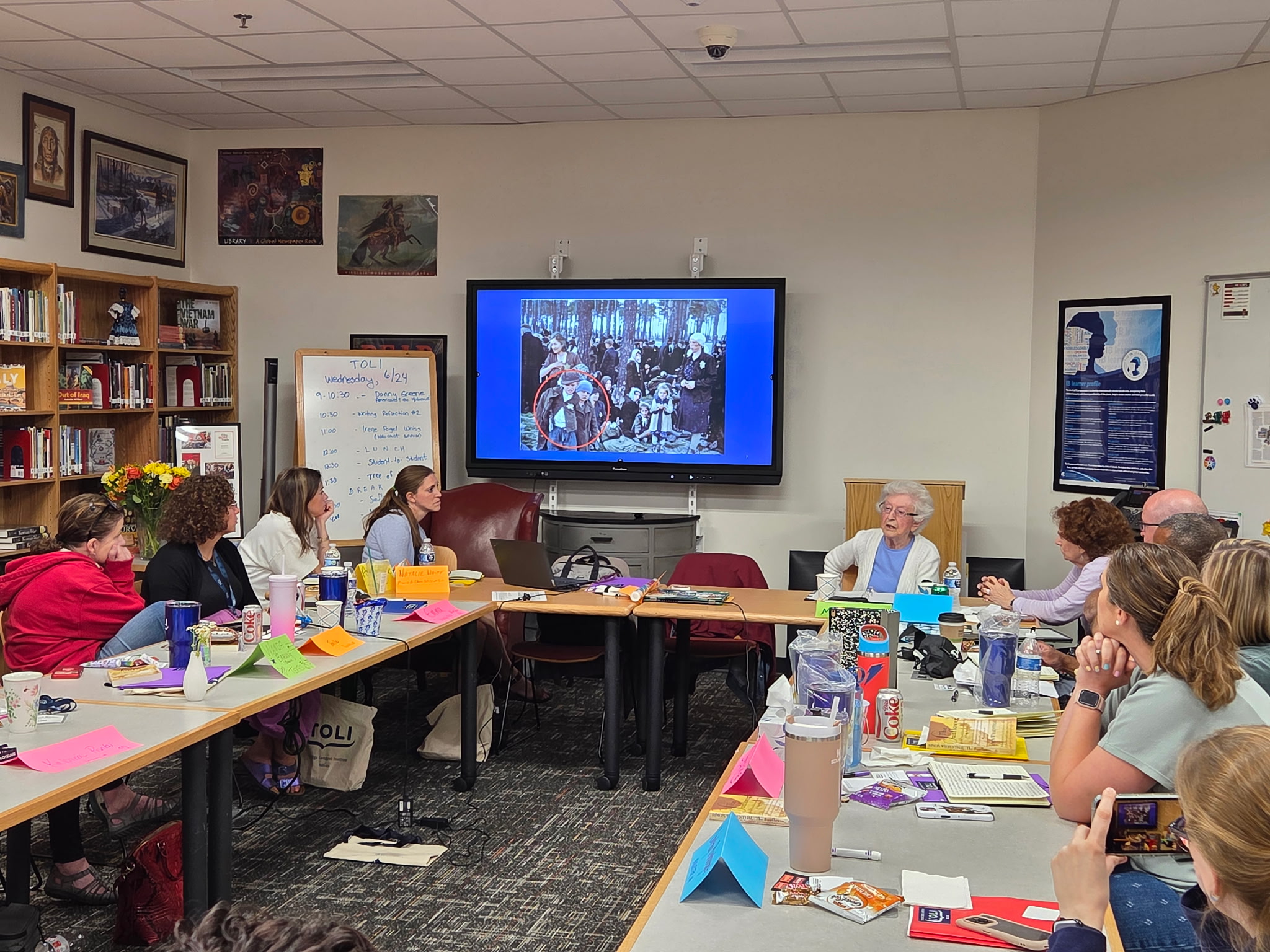
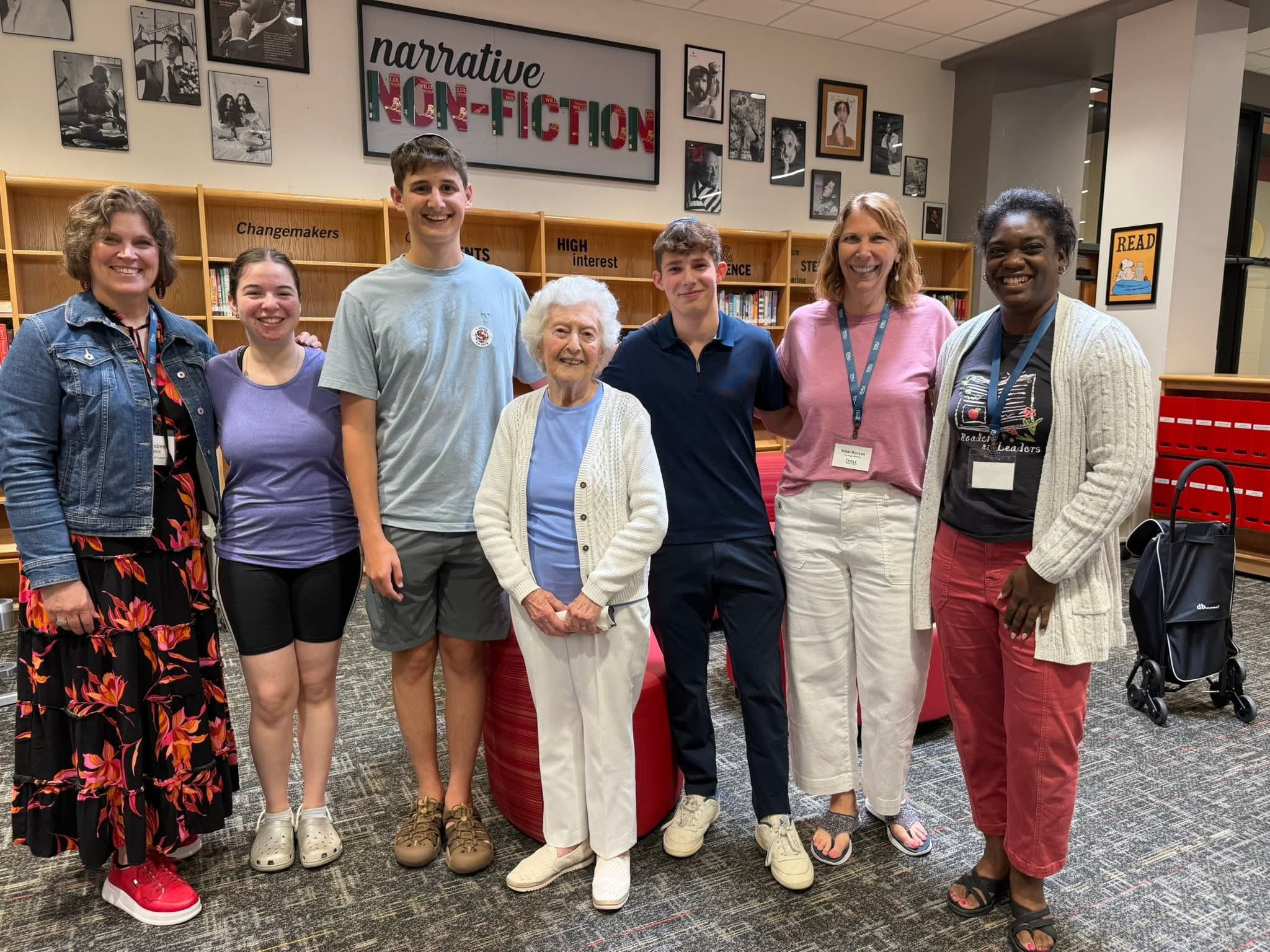
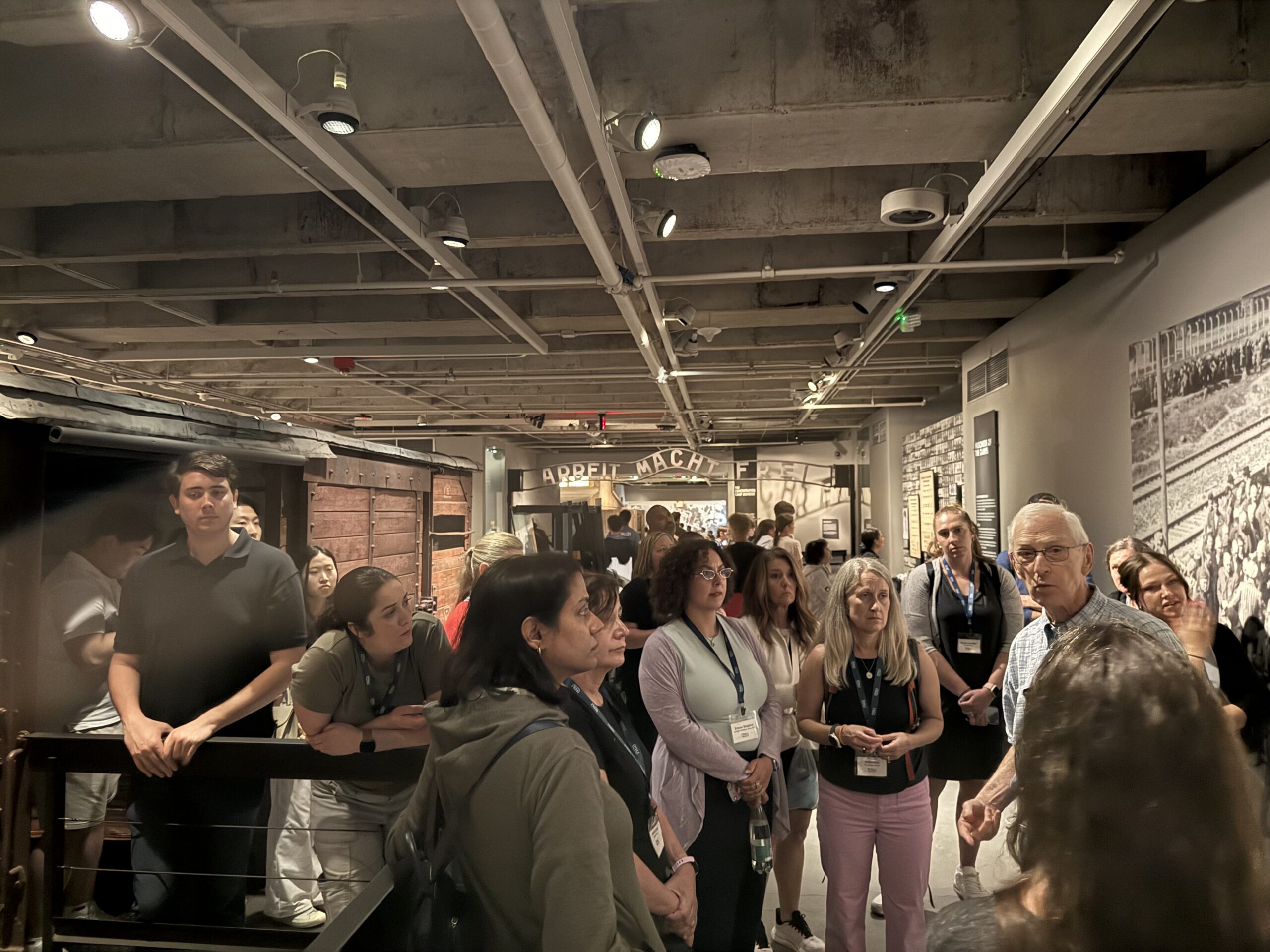
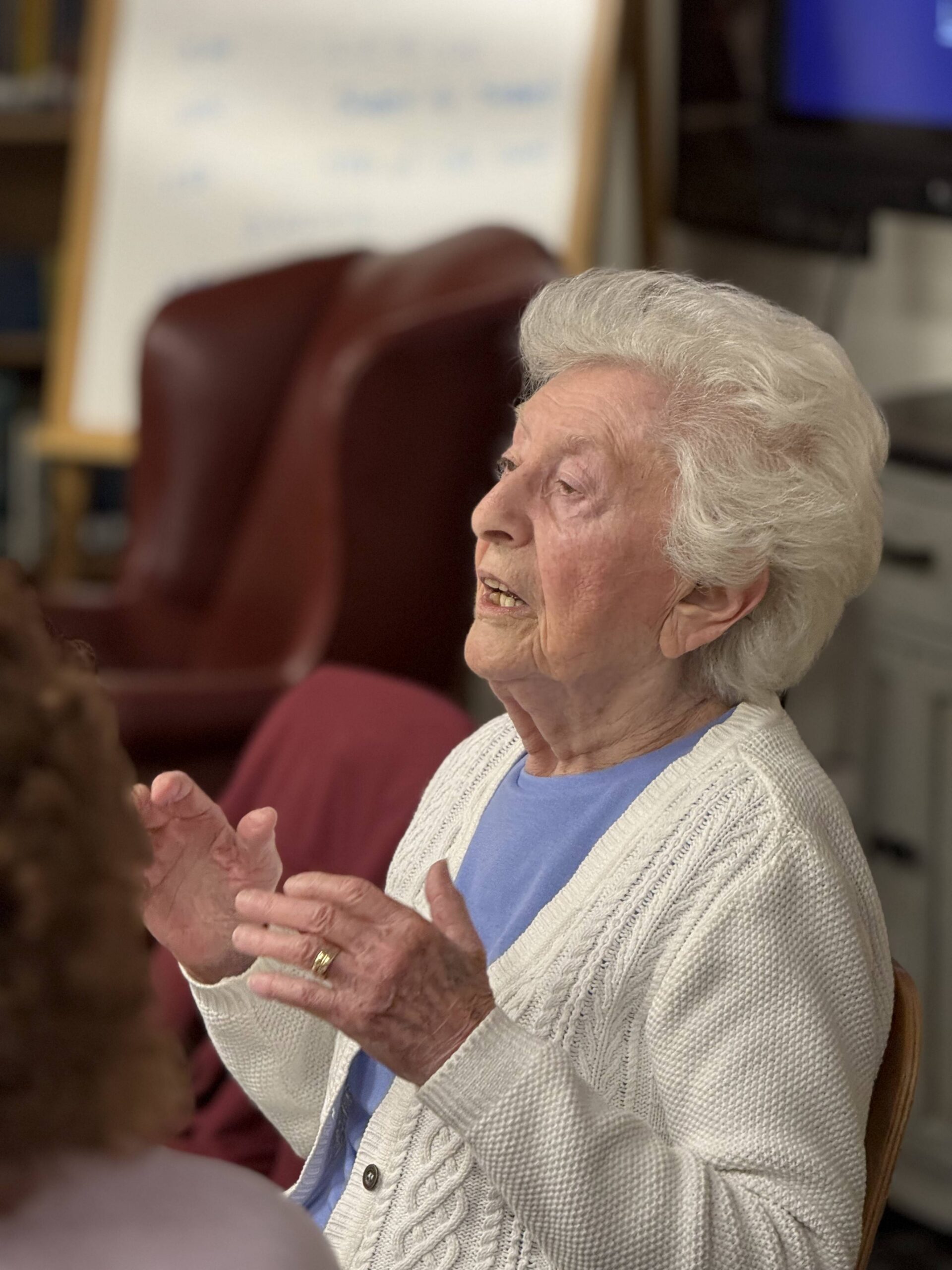
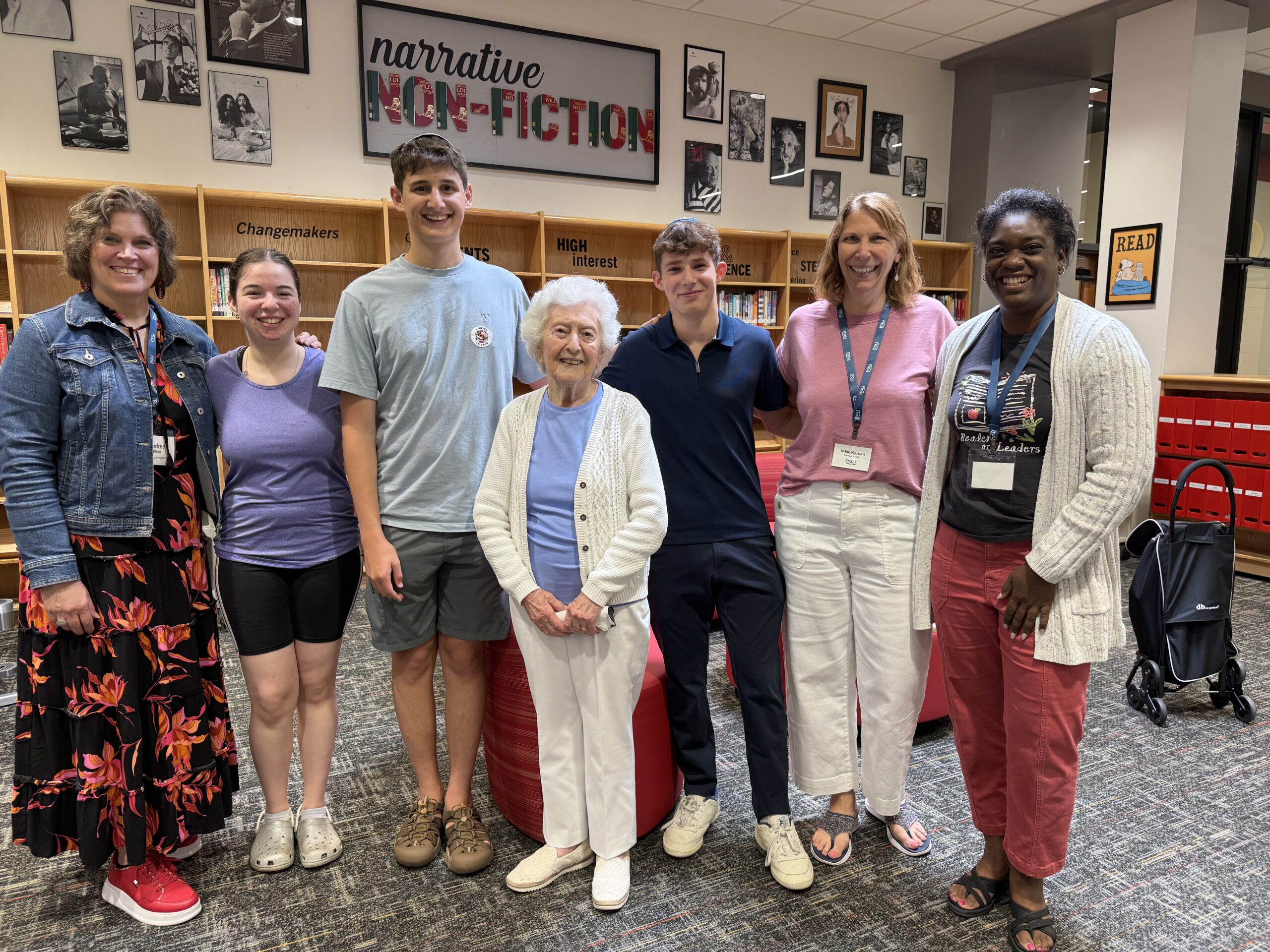
– Hearing the powerful testimony of 95 year old Holocaust survivor, Irene Fogel Weiss. She also identified her two younger brothers who were murdered at Auschwitz in an historical photograph.
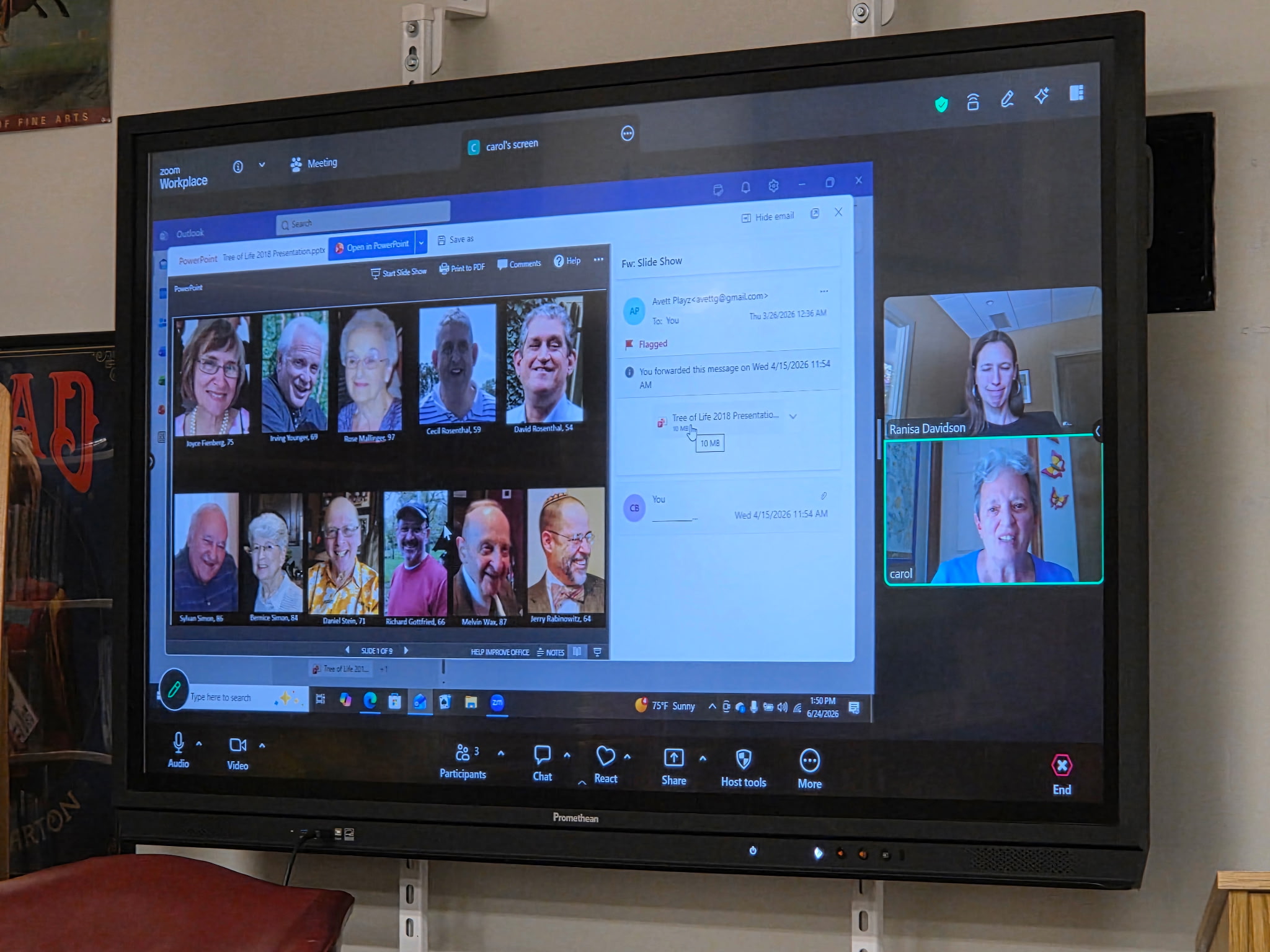
– Hearing Carol Black share her experiences as a survivor of the Tree of Life synagogue attack in Pittsburgh.
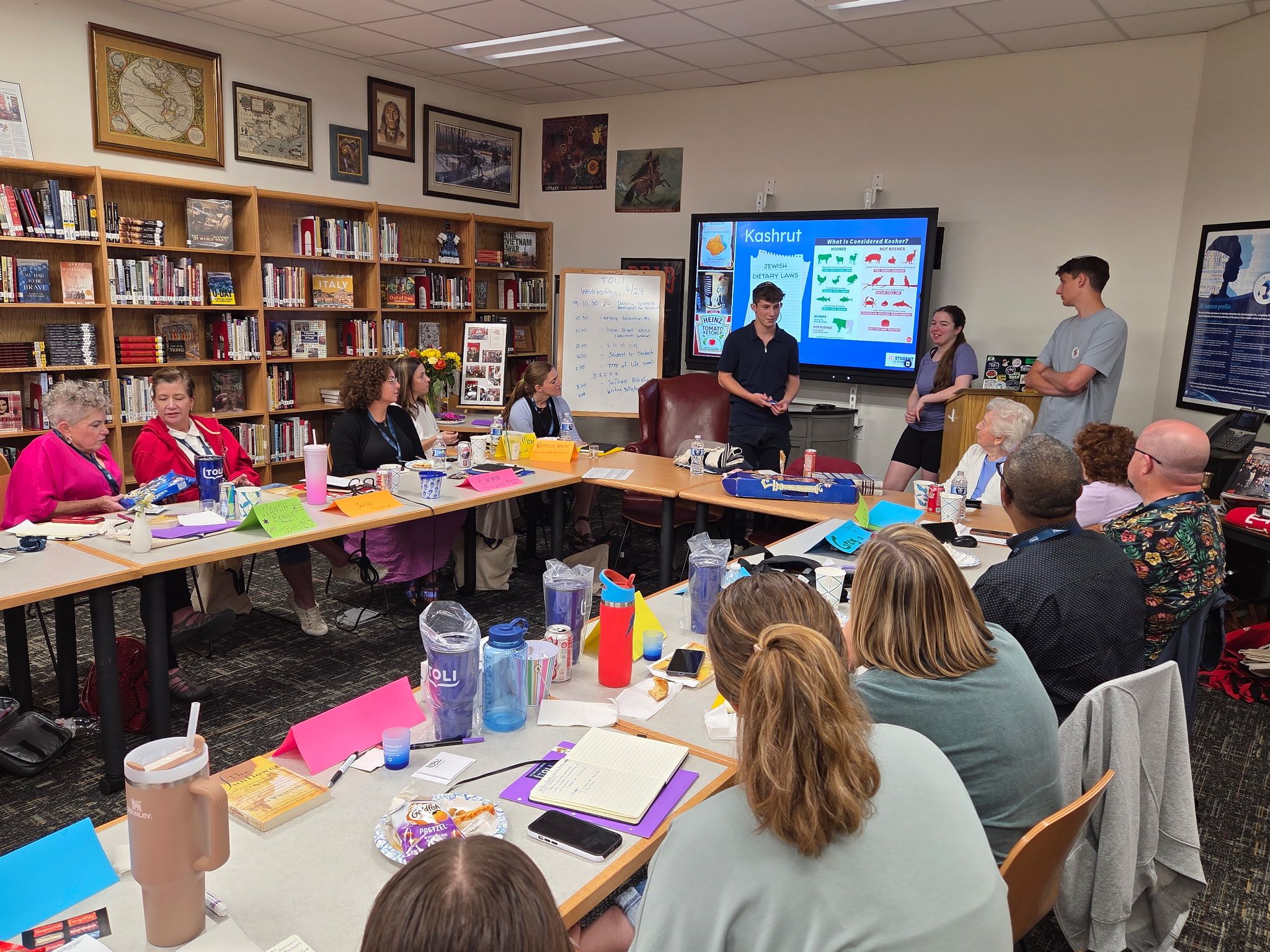
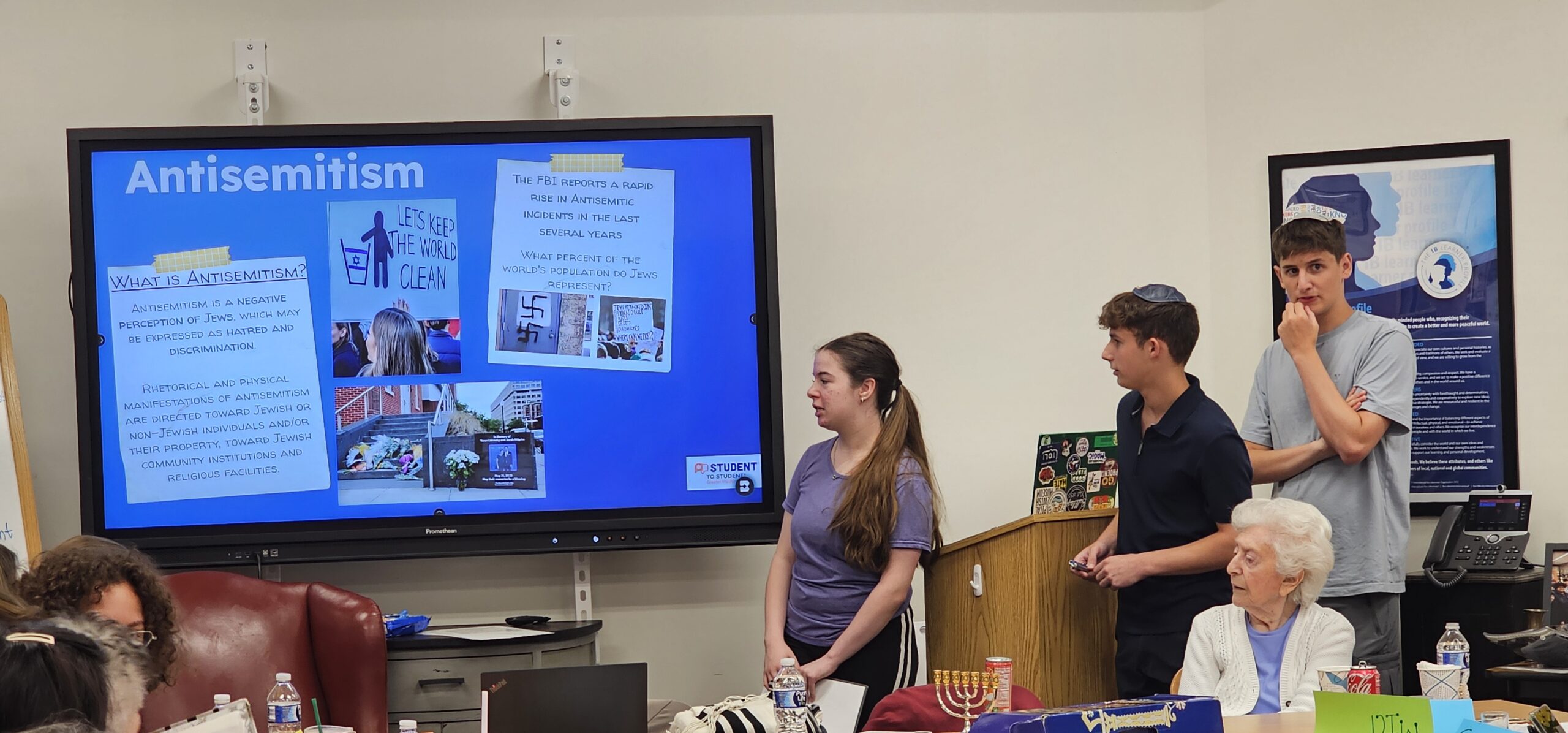
– A Student-to-Student teen presentation that deepened participants’ understanding of Jewish beliefs, culture, and lived experiences.
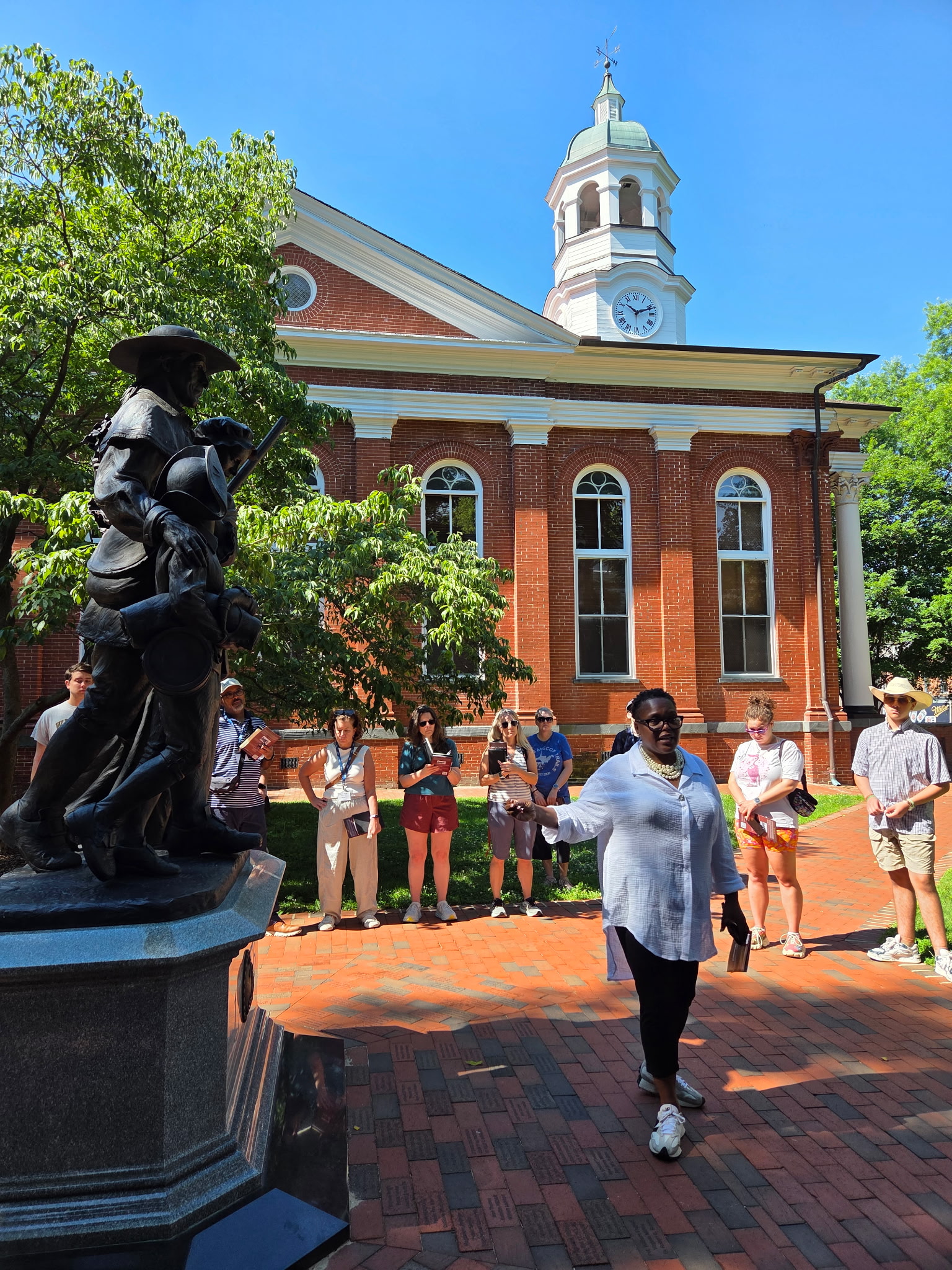
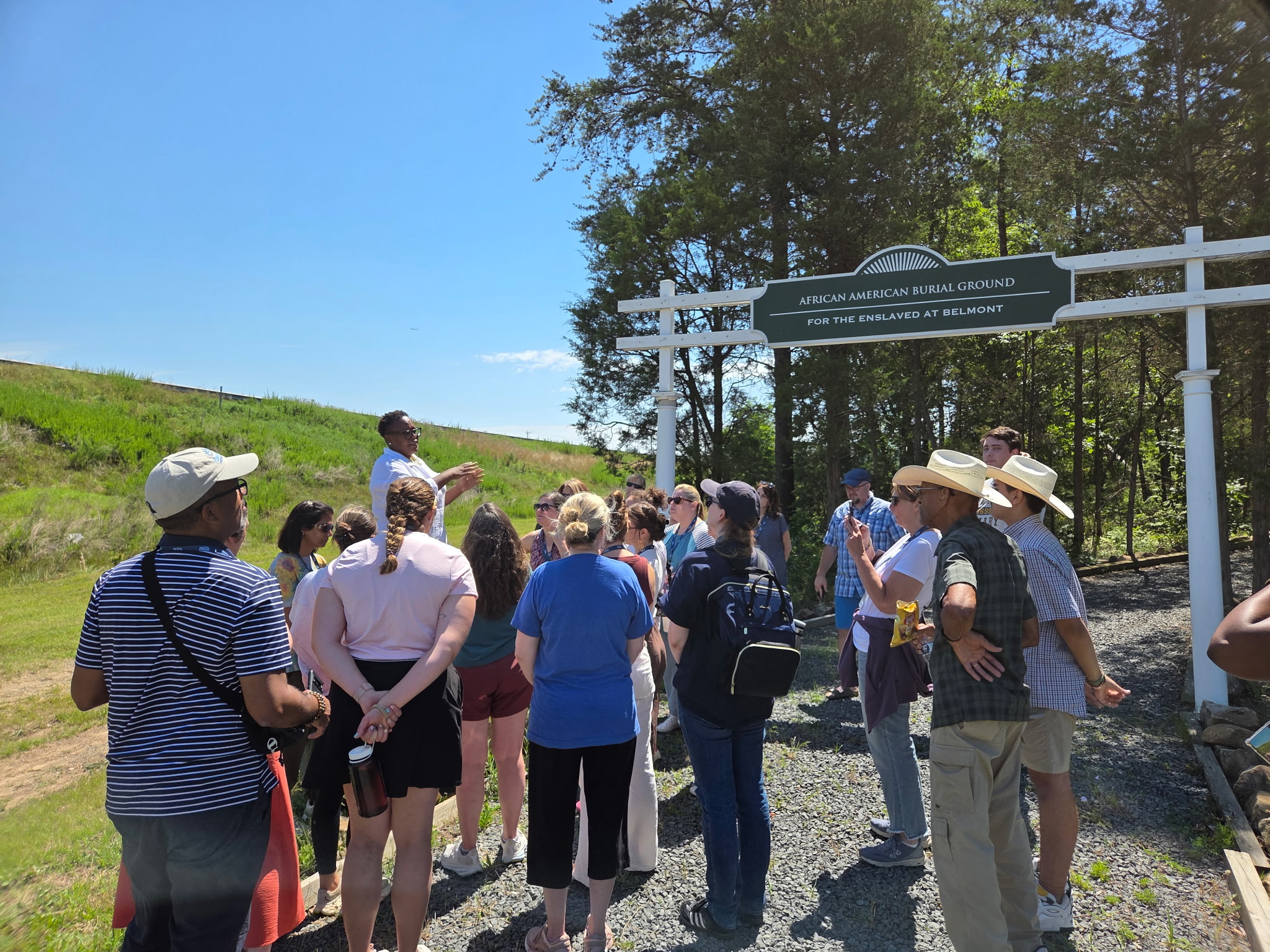
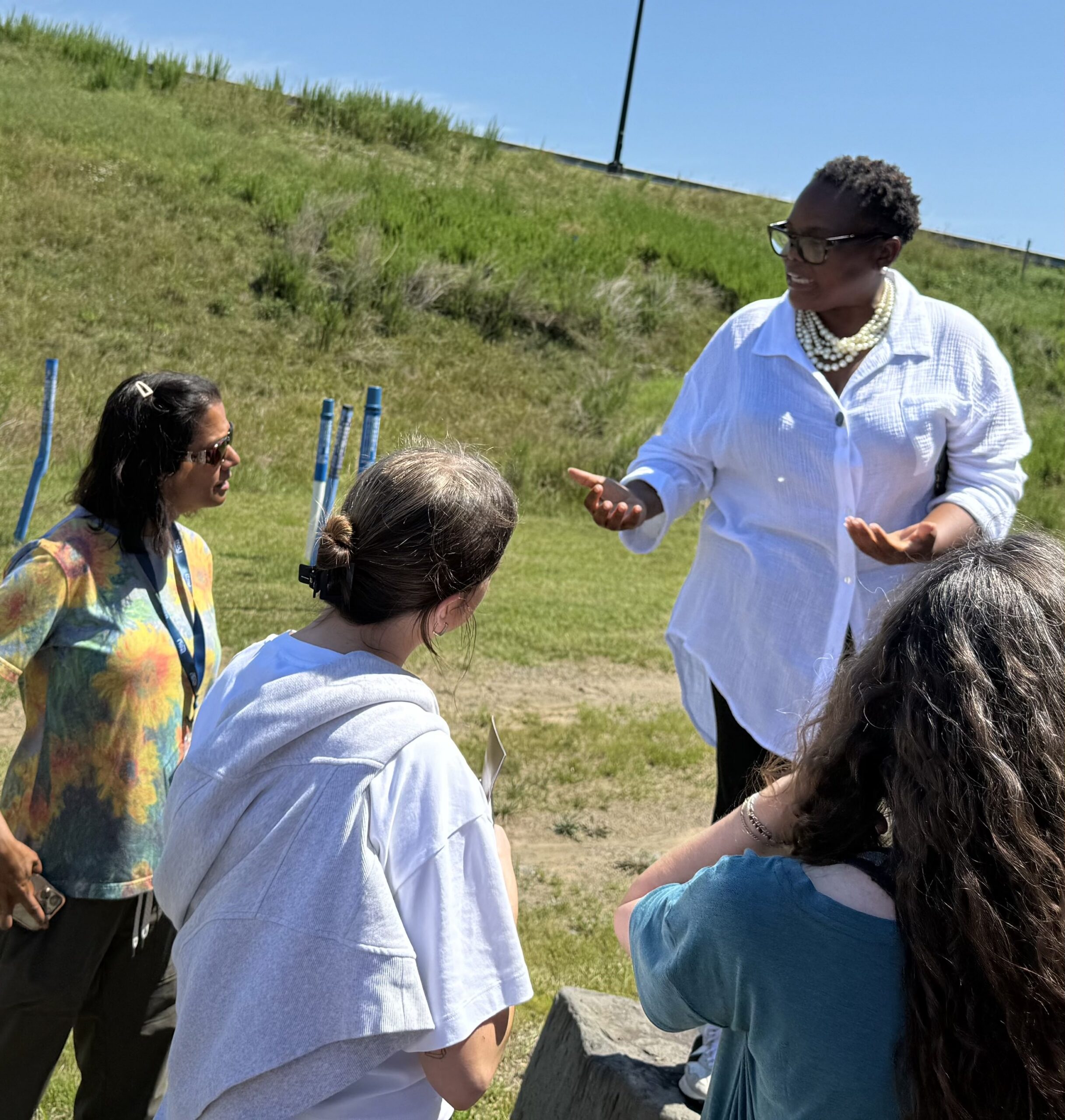
– A walking tour exploring African American history in Loudoun County, including the burial ground of enslaved individuals at the former Belmont Plantation, led by Pastor Michelle Thomas.
– Rich conversations centered on historical inquiry, empathy, and the connections between the Holocaust, racial injustice, and civic responsibility.
– Hearing from renowned scholar Danny Greene on the design of the “Americans and the Holocaust” exhibit at USHMM.
Thank you to our outstanding partners, presenters, and participants for creating a learning community grounded in reflection, collaboration, and a shared commitment to preparing students to think critically about the past and its relevance today.


What Teachers Said About the Program
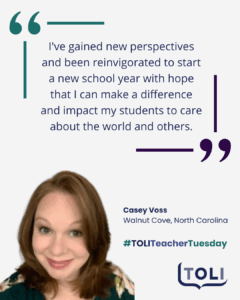
Casey Voss attended our Virginia seminar to learn how to discuss sensitive historical topics in her classroom. “By attending this seminar, my own learning [was] broadened, allowing me to bring back historical context and real-life stories to teach my students the importance of human and civil rights, as well as social justice,” Casey said. “My goal is to facilitate an increase in [students’] awareness of community, as well as empathy for diverse groups.”
A teacher in a mostly white district, Casey recognizes the limited diversity of her students and strives to make those from marginalized backgrounds feel seen and valued. Casey is committed to inclusive education, emphasizing that Black, Latino, and immigrant histories are integral to American history. She actively works to teach about social justice despite the increasing efforts at historical erasure/censorship teachers often encounter.
Casey specifically teaches about the Holocaust to honor its victims and help students understand it as a deeply human event, rather than a distant abstraction. Through works like “Night” by Elie Wiesel and North Carolina’s Holocaust education lessons, Casey integrates history, literature, and survivor stories to build empathy and awareness. “I want students to understand the humanity associated with such an event,” she explained.” I am always curious and wanting to learn about the human experience, especially in cases in which humans fought for basic rights and showed a high level of resilience.”




Leaders
-
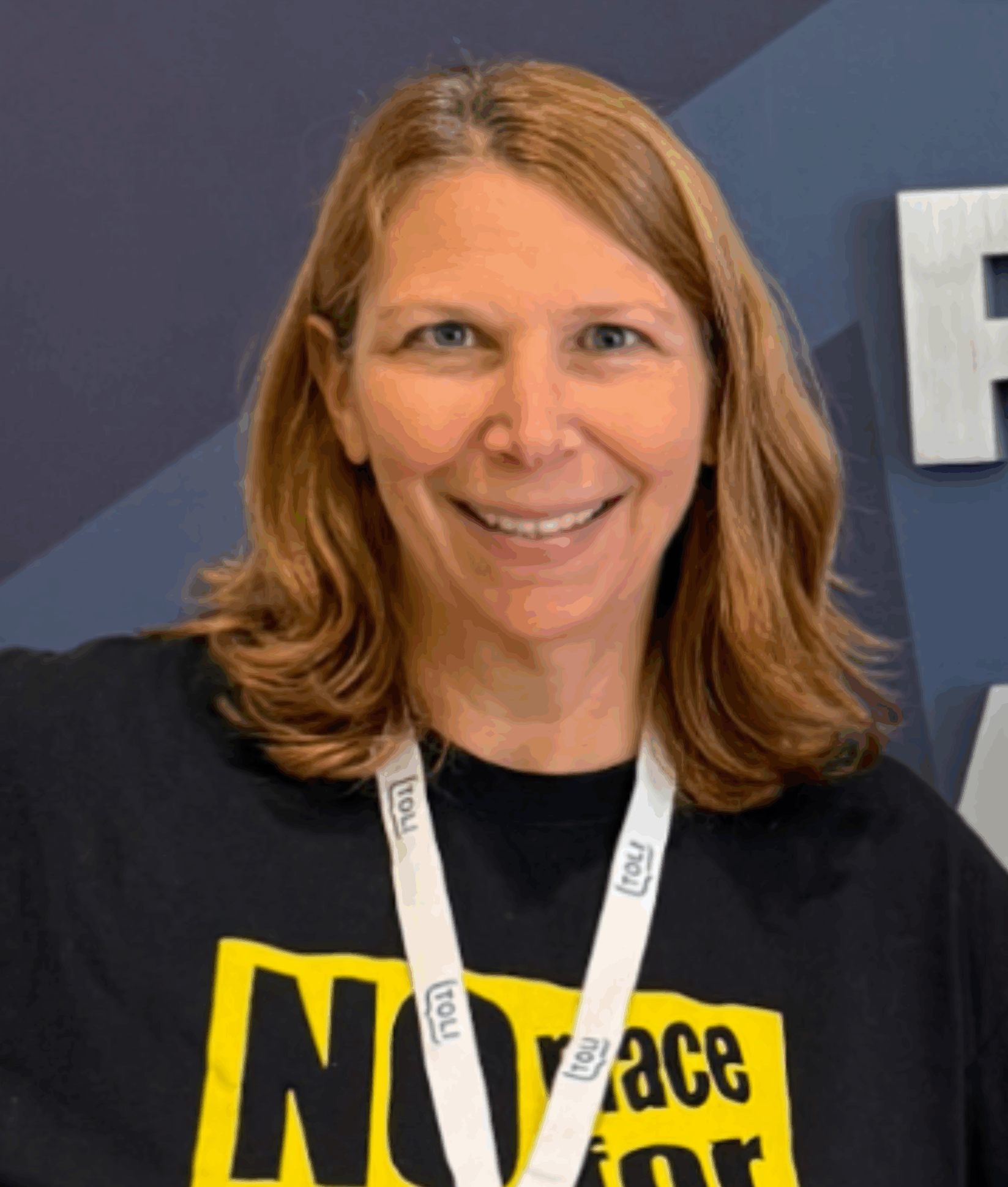
Nikki Korsen
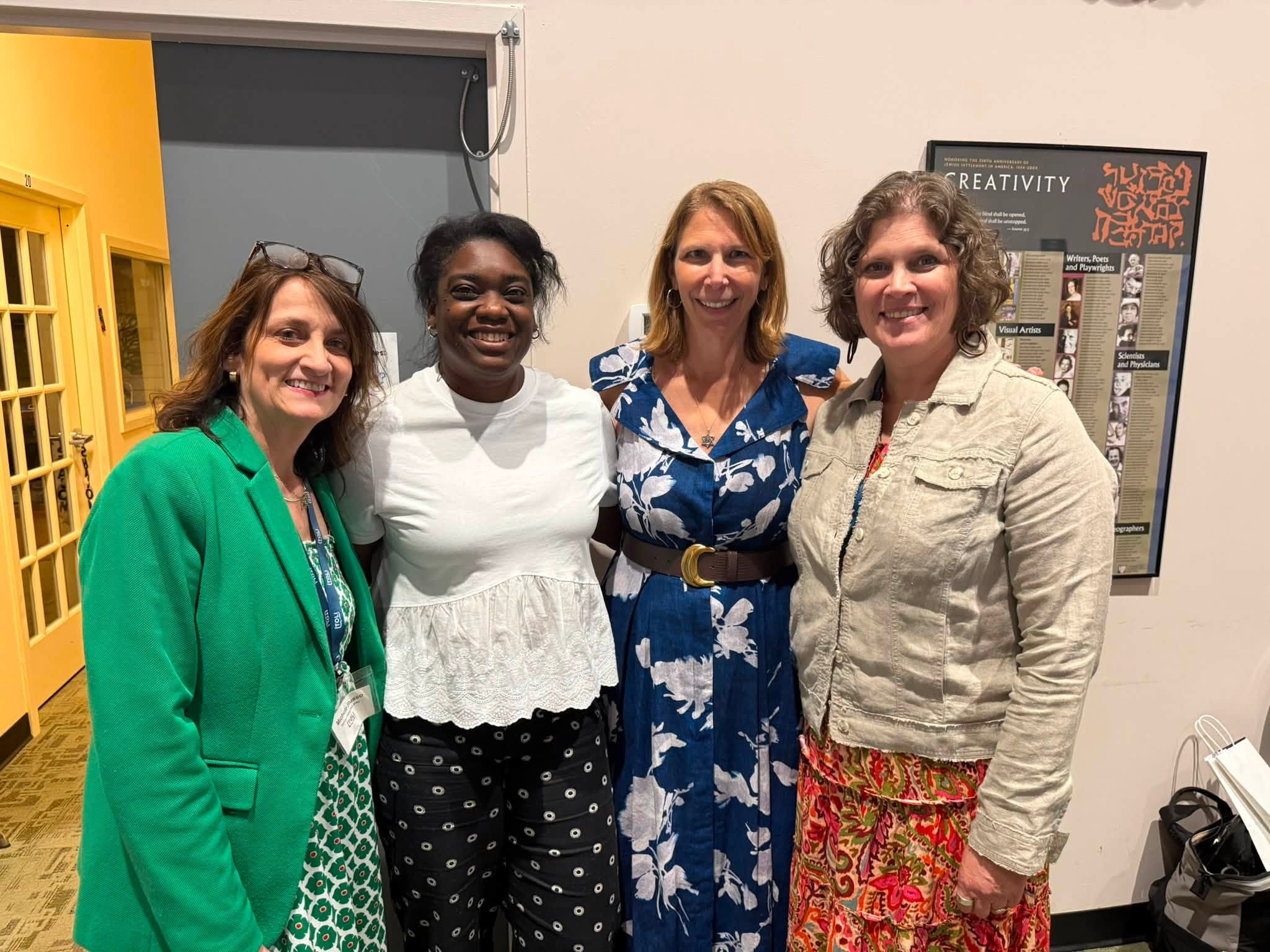
Nikki Korsen is an English teacher at Heritage High School in Leesburg, VA and a Holocaust educator embarking on her 7th year facilitating this regional TOLI seminar. She is the daughter of a Holocaust survivor, a Maggid coach preparing other 2G’s share their family’s experiences, and represents the Jewish community in various ways throughout LCPS.
-
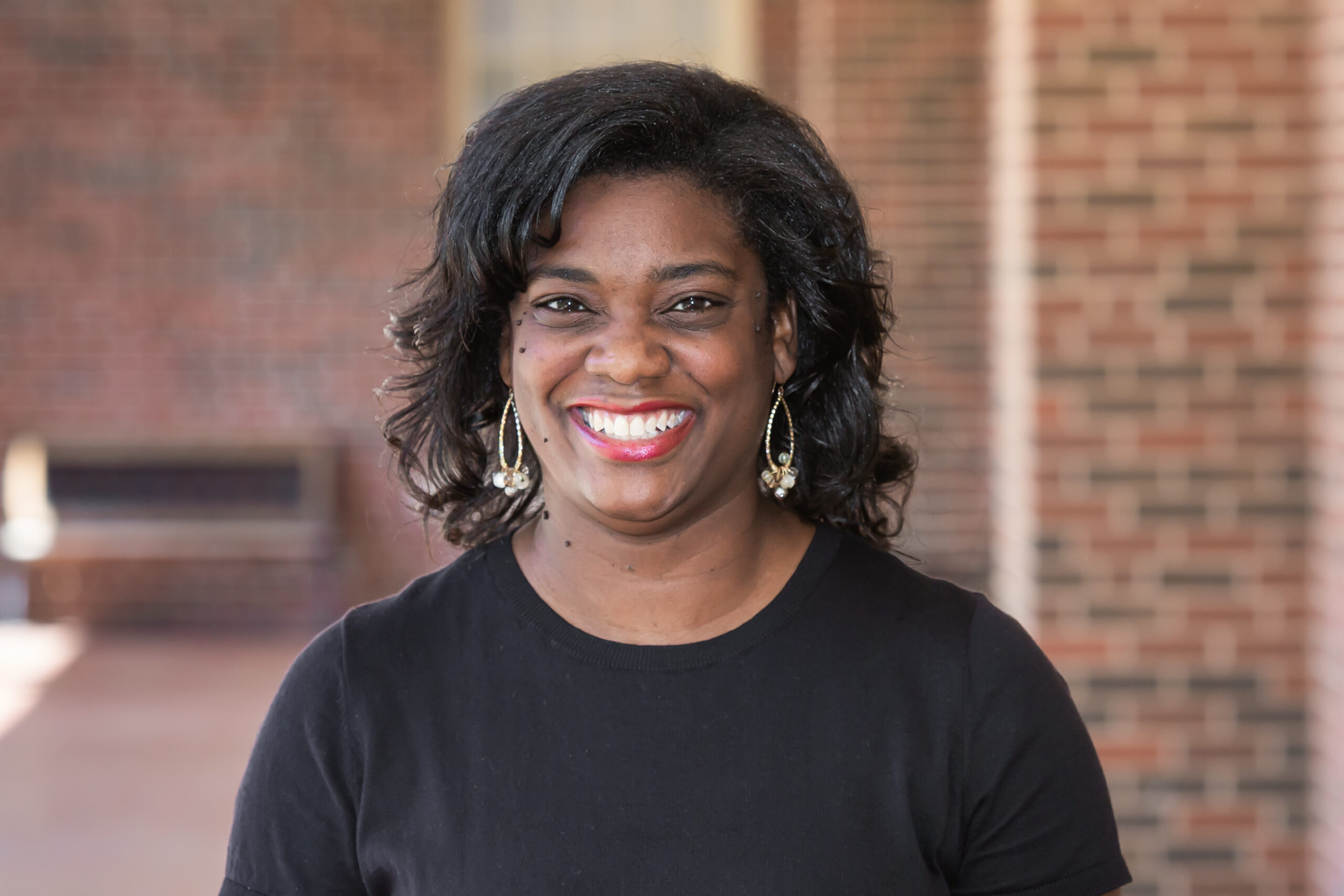
Shanedra Nowell
Shanedra D. Nowell is an Associate Professor of Secondary Education at Oklahoma State University and director of the OSU Writing Project. Teaching for over 20 years with a focus on Holocaust education, place-based history, and writing pedagogy, she has dedicated her career to preparing future teachers and growing teacher leaders. This is her second year co-leading the Virginia seminar after previously running the Oklahoma TOLI seminar for several years.