Holocaust Education: From Classroom Inquiry to Informed Action
Date: July 6-11, 2026
Location: Farmington Hills, Michigan
About the 2026 Program
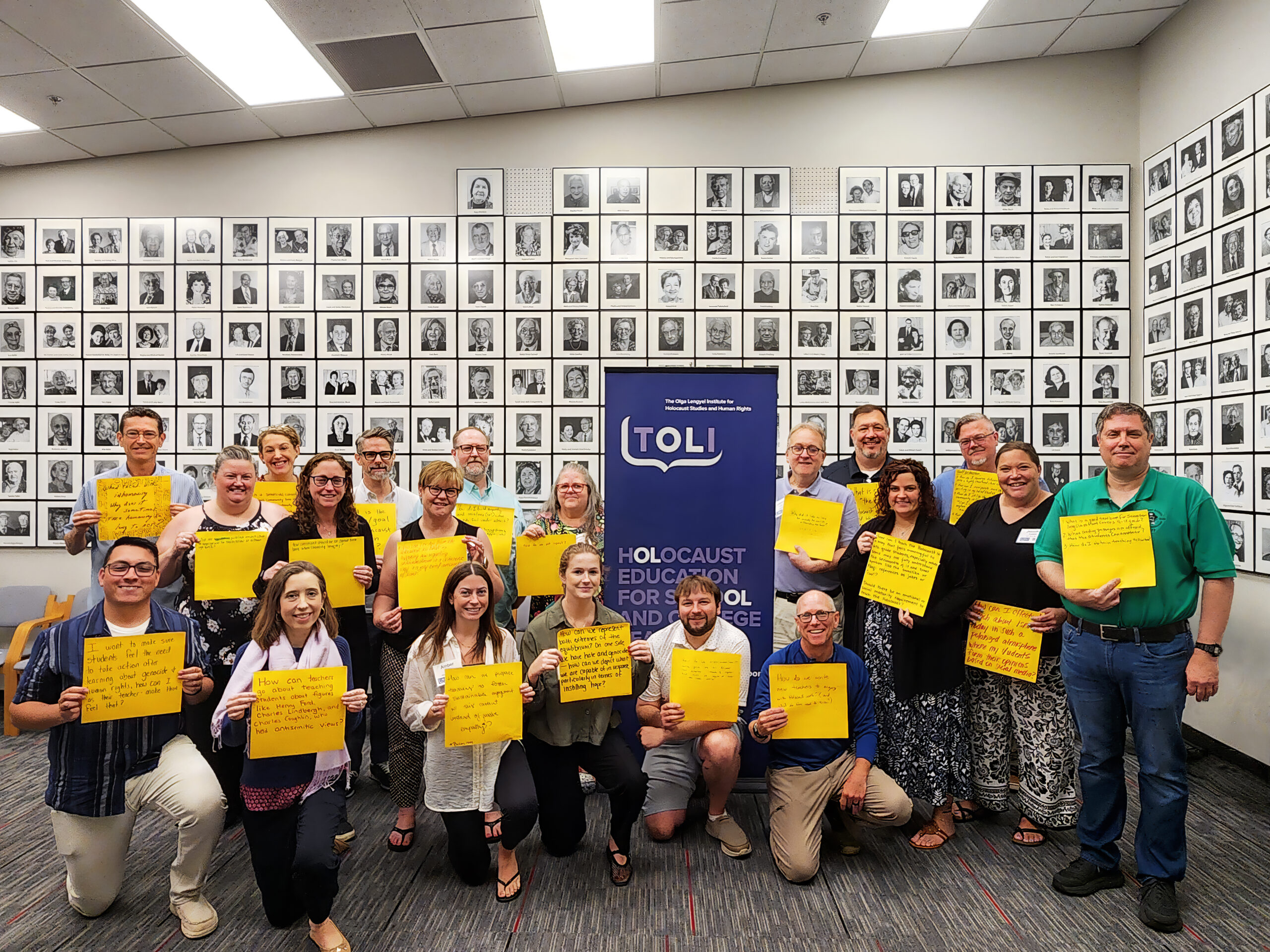
Participants in our seminar approach the Holocaust as both teacher and student for deep inquiry and powerful professional development in Michigan’s world-class Holocaust museum. Sessions build on big questions and enduring content, explore museum resources and classroom strategies, and always consider students, history, human rights, and opportunities for informed action.
2026 Program Benefits
- Learn onsite at the Zekelman Holocaust Center, a world-class museum and memorial in Farmington Hills.
- Gain practical, classroom-ready strategies grounded in inquiry and best practice for navigating challenging content with confidence.
- Engage with primary sources, artifacts, and museum collections to deepen historical understanding.
- Collaborate with a supportive community of educators.
- Earn 35 Michigan SCECH credits while advancing your teaching practice.


In partnership with The Zekelman Holocaust Center and Western Michigan University.


What Teachers Said About the 2025 Program

For 25 years, Roderick Scott Tarlton has taught grades 9-12 English and English Language Development. Roderick’s school is located in a lower socio-economic area in Westminster, California, which is home to the largest Vietnamese population in the United States.
Roderick describes his student population as approximately 50% Vietnamese and 50% Hispanic. “We have a growing population of English Language Learner students who are predominantly Hispanic, with a large population of new arrivals from Central America and Mexico,” Roderick says. “These students are trying to find their place and navigate the culture of academics and life in Orange County.”
“There is often a great divide between these groups – the Vietnamese often navigating the legal hurdles through family sponsorship, and Hispanic students who are living in the US [undocumented],” he continues. “We’ve had violence erupt a few times, and it seems there is often tension brewing.”
To combat this friction, Roderick’s teaching emphasizes inclusion, diversity, and recognizing how small acts of bias can escalate into devastating injustice. He teaches his students about human rights by weaving together history, literature, and lived testimony, which helps students understand discrimination and resilience across different communities and time periods. His approach includes the Holocaust, local history and civil rights (specifically the Sylvia Mendez case, a landmark in ending school segregation in California), immigration and refugee experiences, and Japanese-American incarceration.
Roderick’s commitment to human rights education is deeply personal. As a child, he was struck by his grandfather’s story about his Japanese-American neighbors being forced into internment camps during World War II. Additionally, as a parent of children with disabilities, Roderick has witnessed firsthand the challenges of exclusion and lack of accommodation in schools and communities. These experiences, combined with visits to the Holocaust Museum in Washington, DC, and Auschwitz, drive his passion to teach about the dangers of prejudice and discrimination.
Roderick attended our seminar this summer in Michigan. The program offered an opportunity for him to introduce human rights education to teachers of all grade levels, and the foundational knowledge to plan cross-curriculum lessons with Social Science teachers. This school year, he plans to begin incorporating mini-lessons with his core curriculum units, which will remind students to think critically and often about human rights violations (and acts of courage and understanding).
Leaders
-

John Farris
John Farris is the Social Studies Consultant for Wayne RESA. He served as an ex-officio member of the Governor’s Council on Holocaust & Genocide Education and co-authored the model curriculum in support of Public Act 170 of 2016 that mandates Holocaust and genocide education in Michigan schools.
-
Corey Harbaugh
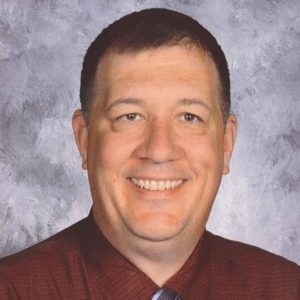
Corey Harbaugh retired as a school curriculum administrator in 2025 to move into Holocaust education as Faculty Advisor for The Olga Lengyel Institute and Curriculum Specialist for the Anne Frank Center at The University of South Carolina. He served as a member of the Governor’s Council on Holocaust & Genocide Education and co-authored the model curriculum in support of Public Act 170 of 2016 that mandates Holocaust and genocide education in Michigan schools.