Slovakia
Date: August 17-21, 2026
Location: Bratislava, Slovakia
Slovakia
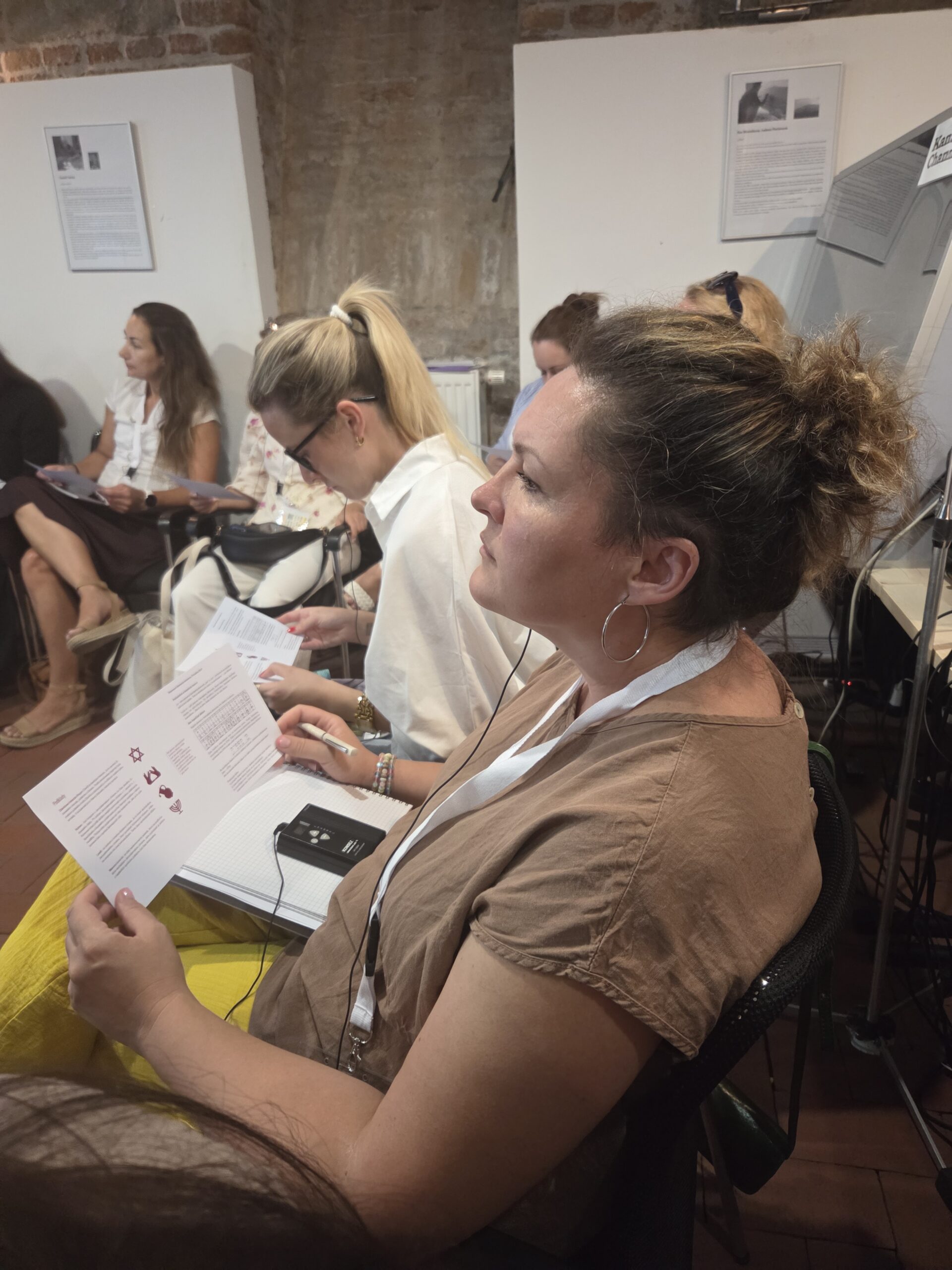
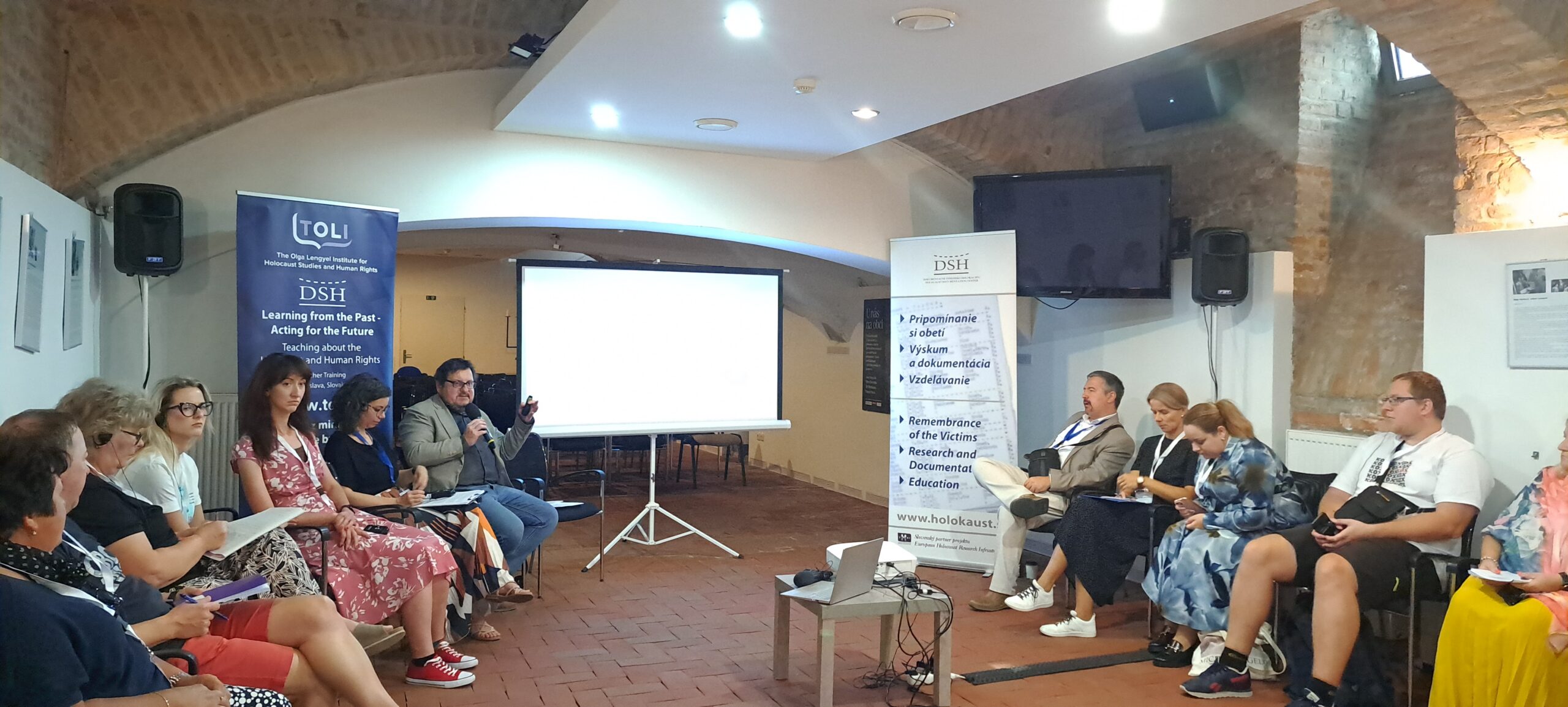
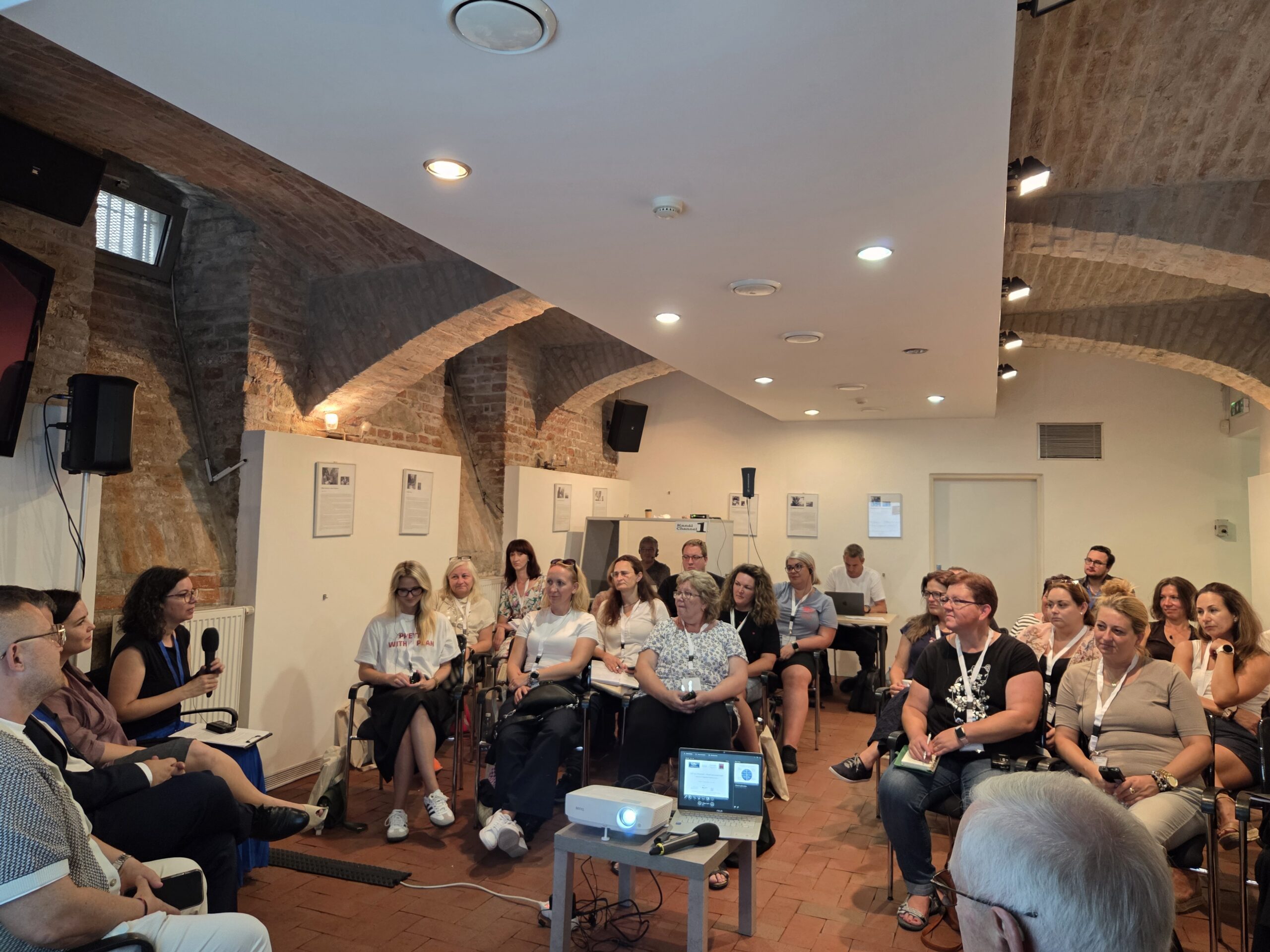
We held our third seminar in Slovakia, bringing together teachers from across the country for an intensive week of Holocaust and human rights education. The program was developed in partnership with the Holocaust Documentation Center in Slovakia, Zachor Foundation for Social Remembrance, and the European Jewish Cemeteries Initiative, with assistance from the Conference on Jewish Material Claims Against Germany and support from the German Federal Ministry of Finance.
The seminar emphasized TOLI’s interdisciplinary, student-centered approach, equipping educators to teach the Holocaust within the broader framework of human rights, democratic values, and contemporary social justice. Participants explored antisemitism, Holocaust distortion and denial, stereotypes, prejudice, discrimination, and exclusion, while developing strategies to help students critically evaluate historical narratives and respond to misinformation and antisemitic narratives.
A powerful highlight was survivor testimony from Pavol Kučera, who shared his experience of persecution during the Holocaust, including deportation to Bergen-Belsen and liberation in April 1945.
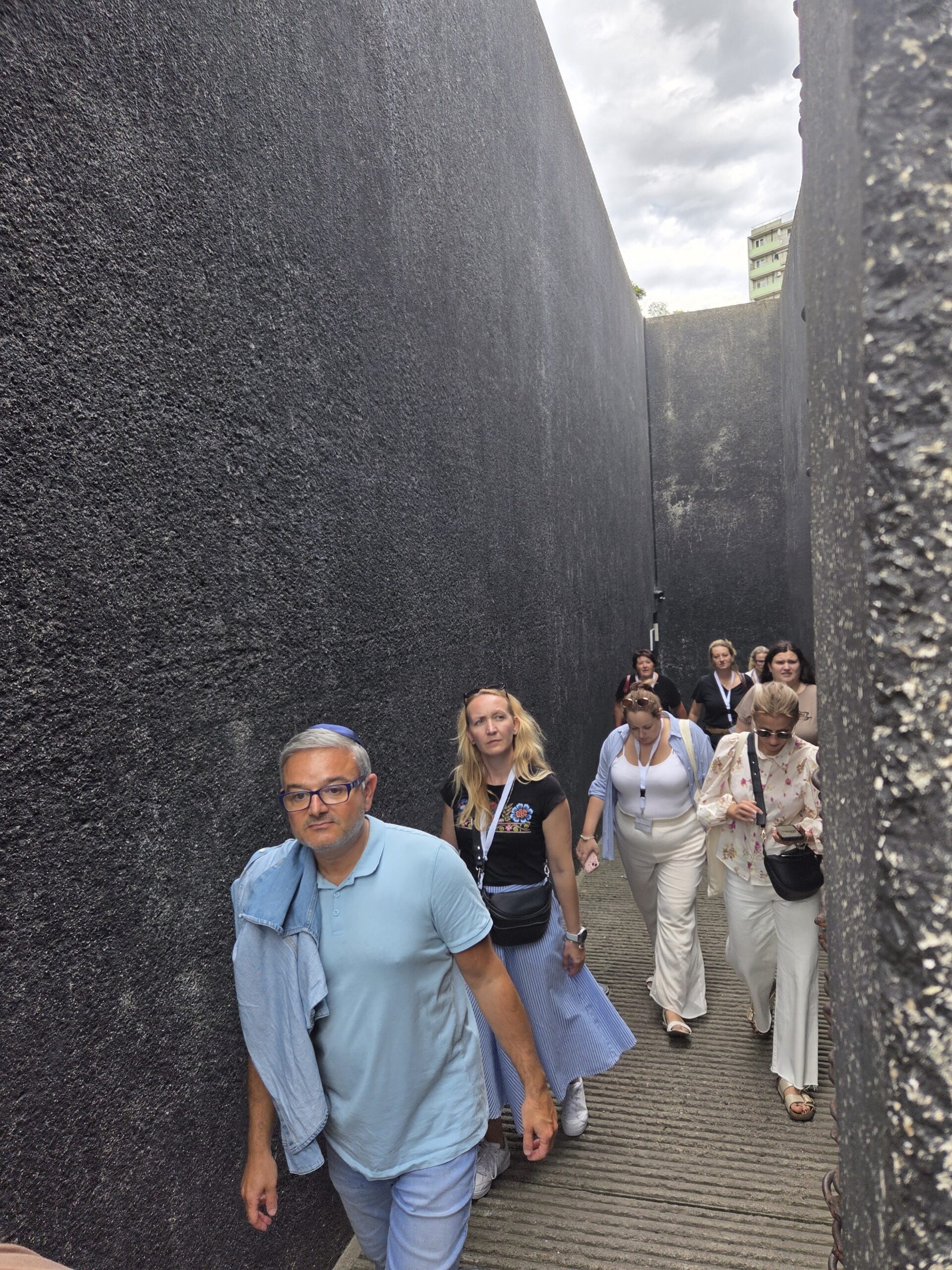
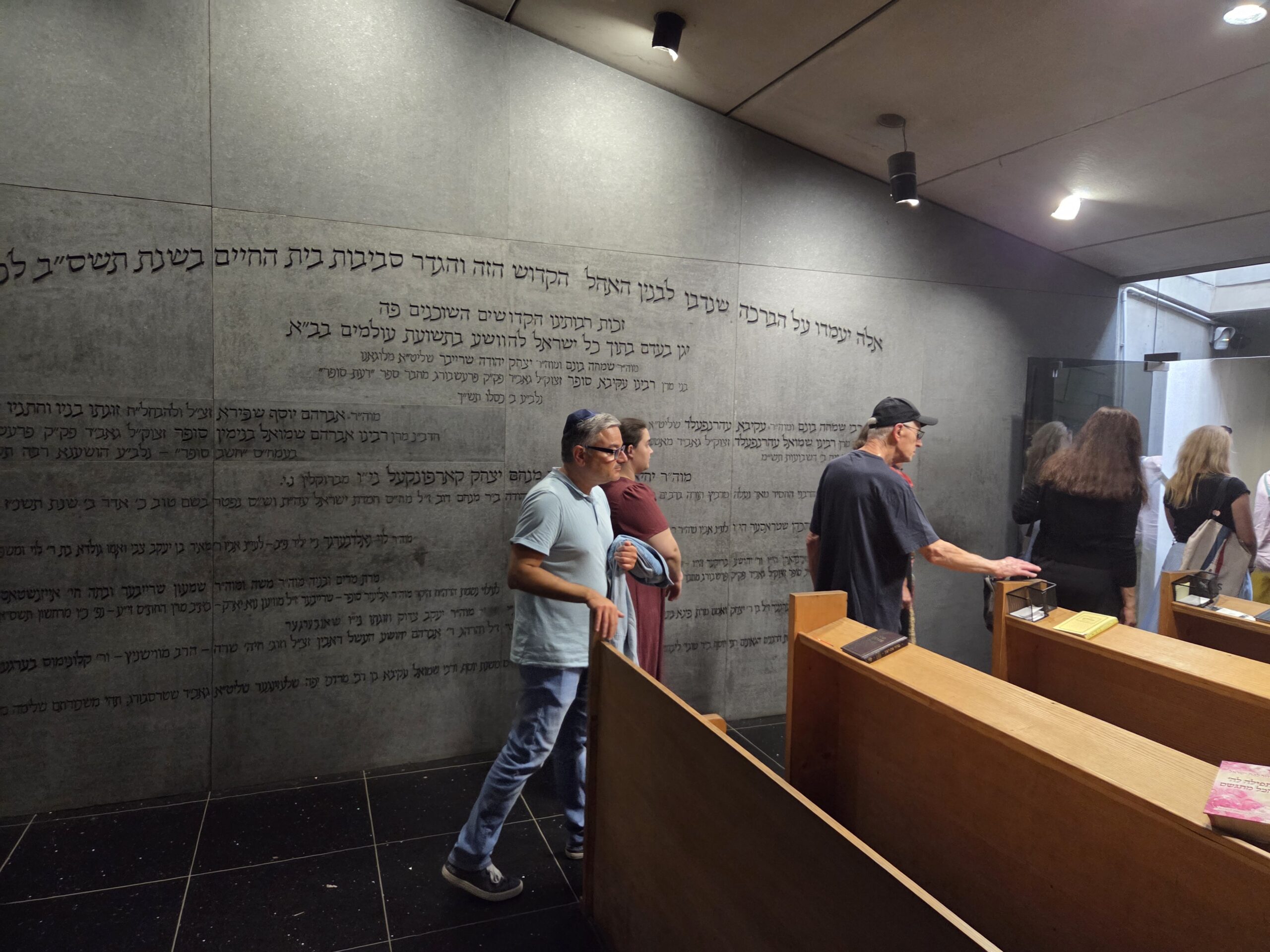
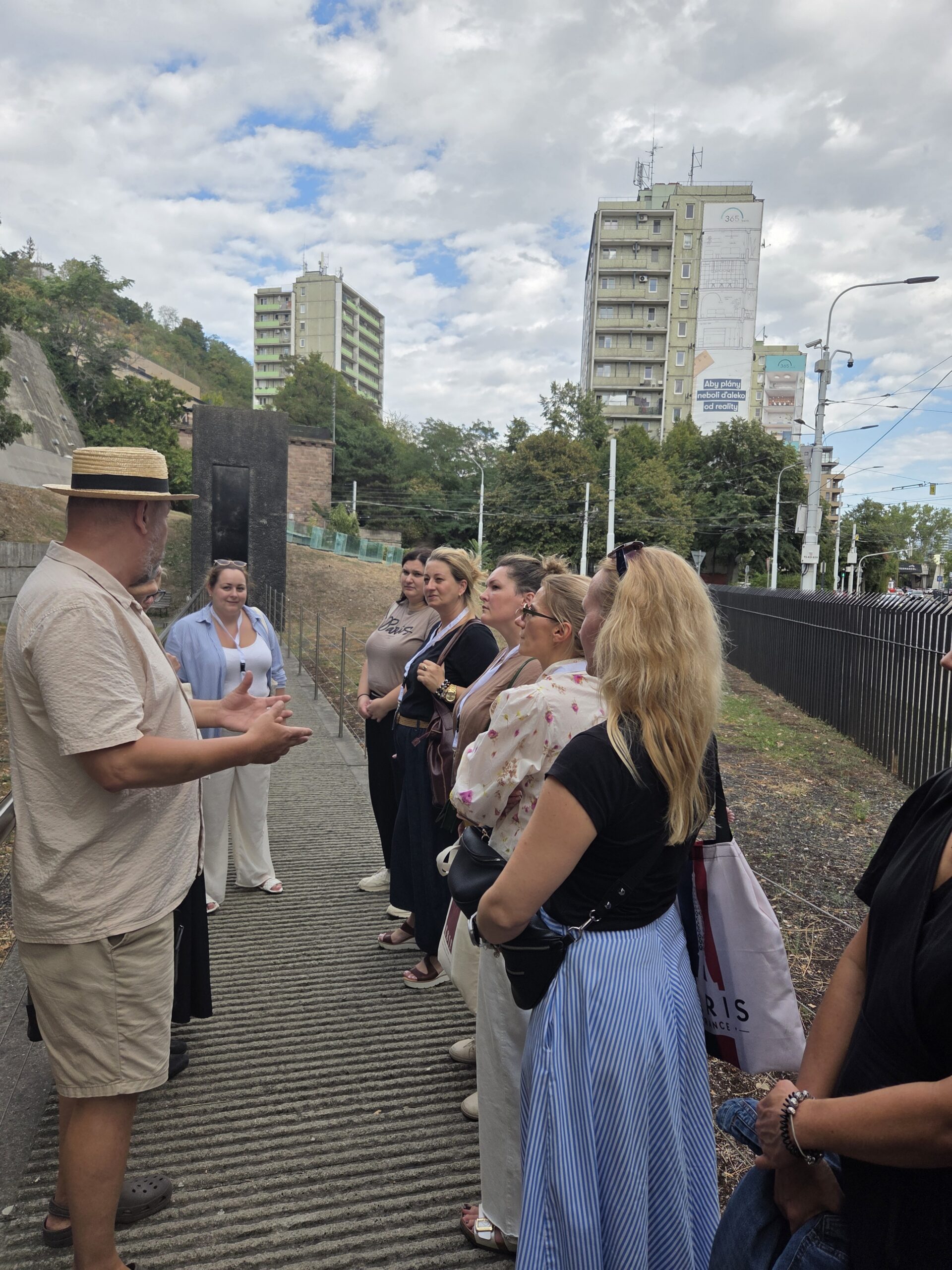
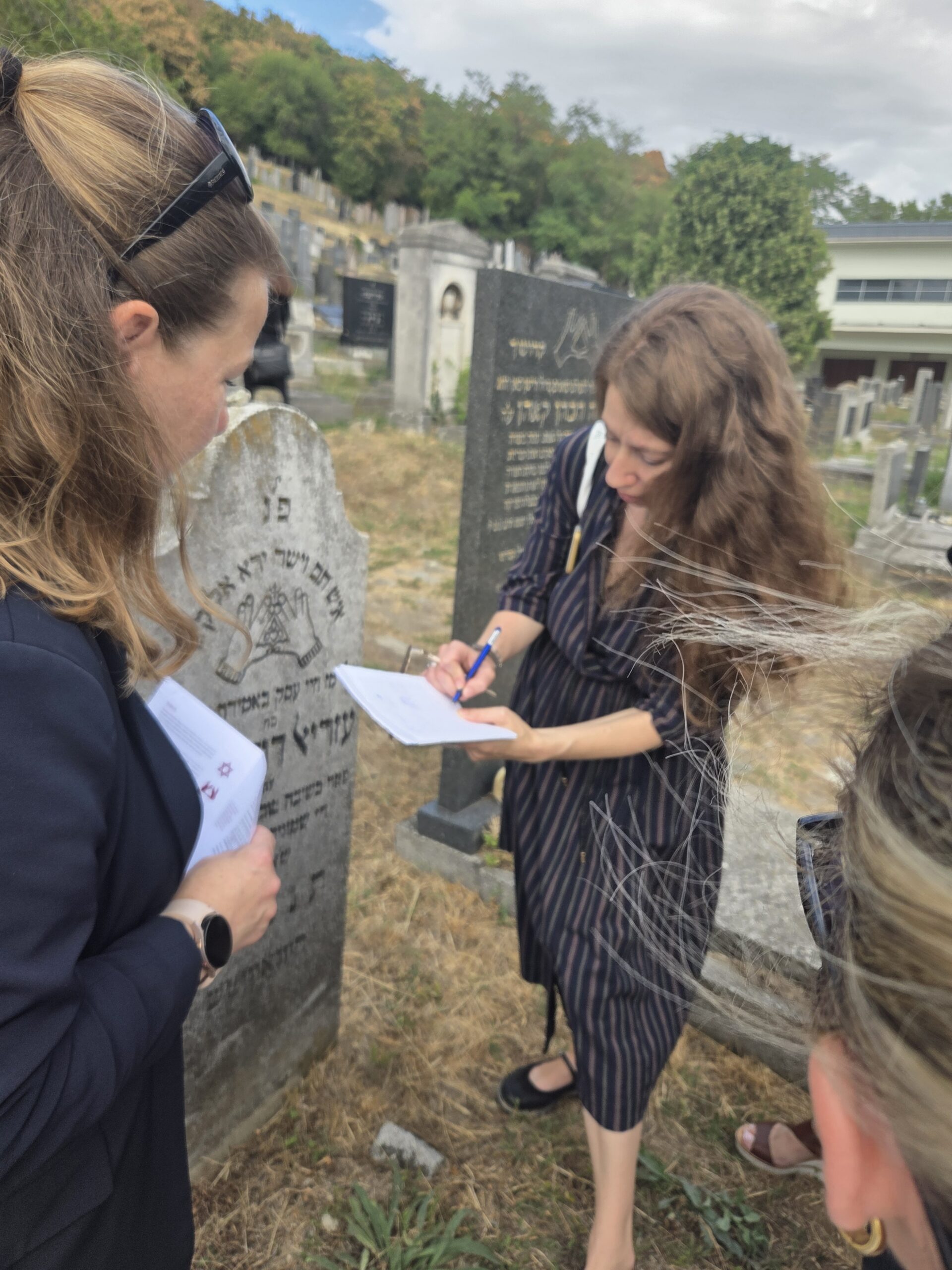
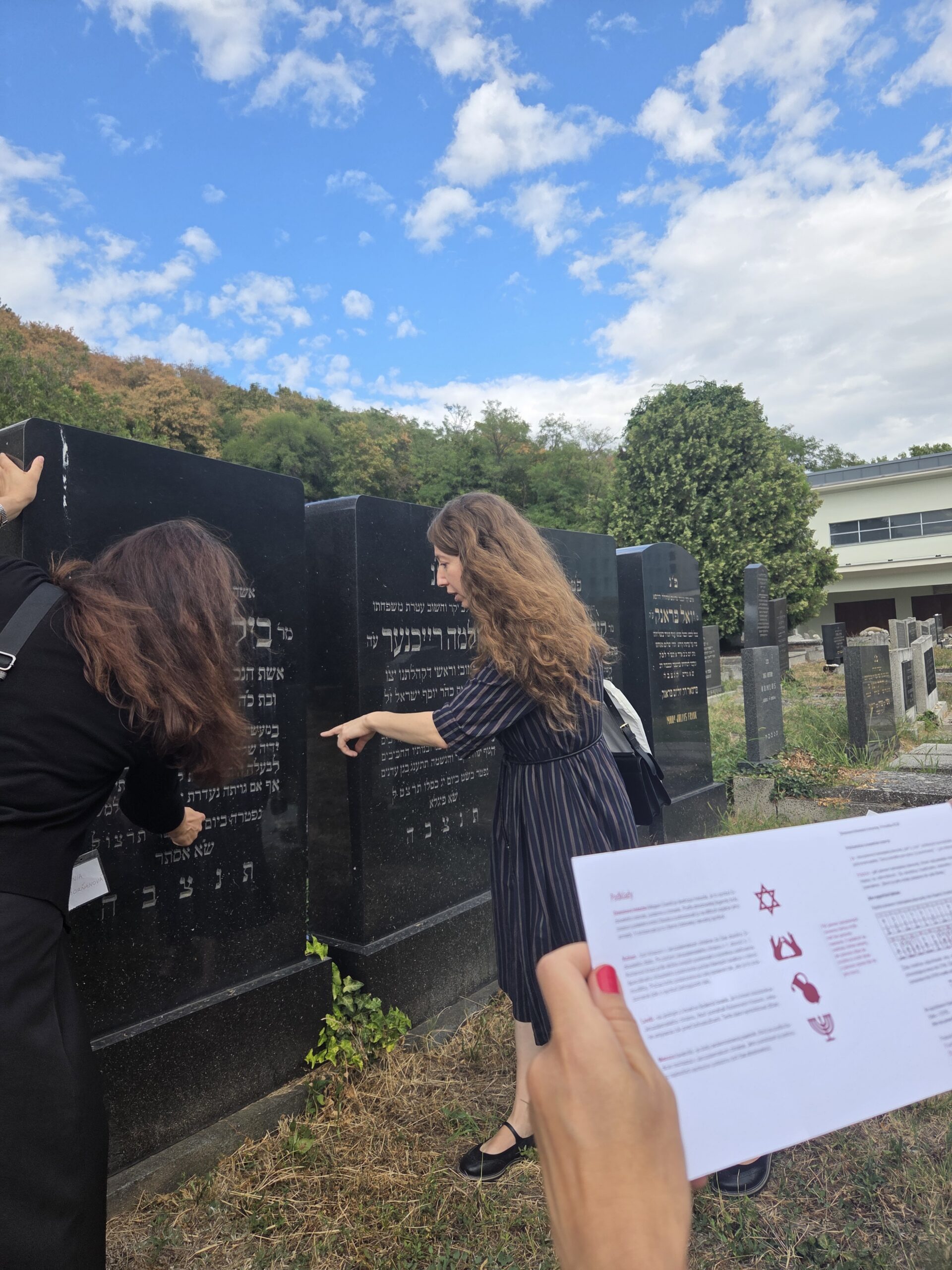
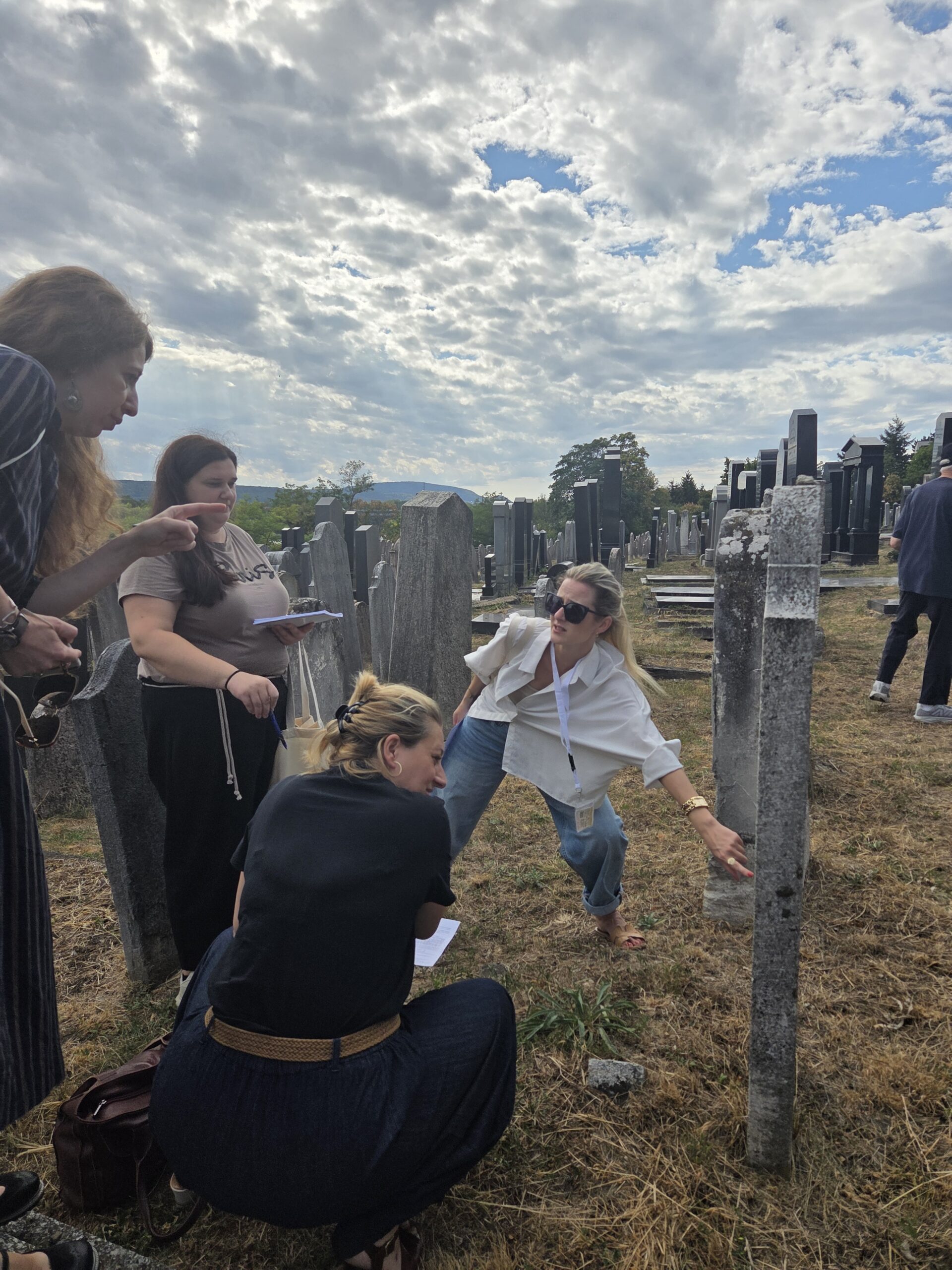
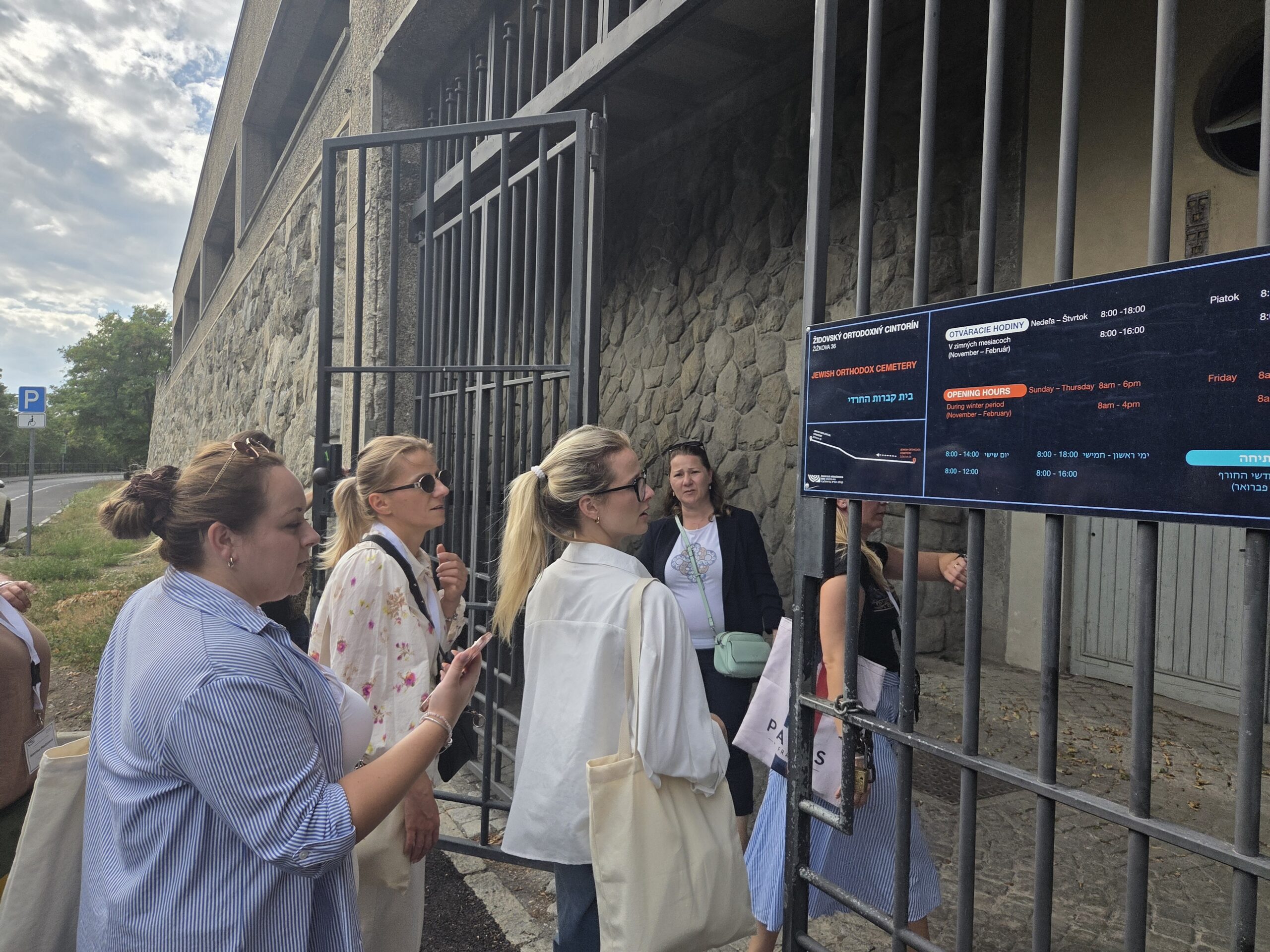
Learning also extended beyond the classroom. Participants took part in an interactive lecture and visit to a Jewish cemetery, explored Jewish heritage in Bratislava through a guided tour and synagogue visit, and visited the Chatam Sofer Memorial. These experiences connected historical study with the preservation of Jewish memory and heritage. The program also included sessions on Americans and the Holocaust, the Holocaust in Slovakia and Europe, the Roma genocide, post-Holocaust Jewish life in Slovakia, and countering Holocaust distortion.
Importantly, the seminar moved from learning to action. Teachers developed individual action plans for bringing what they learned into their classrooms and communities, with continued support from TOLI and opportunities to pursue local projects through the TOLI Impact Grants Program. This reflects a central principle of the seminar: learning about the past is most meaningful when it empowers educators and students to act against injustice in the present.
TOLI’s program in Slovakia is developed in partnership with the Holocaust Documentation Center in Slovakia.
The aim of the program is to contribute to increasing the quality of education regarding the Holocaust and human rights in Slovakia. The program provides a rich opportunity to integrate national and international approaches in teaching about these topics and in understanding the contemporary relevance of this important part of modern history.
The objectives of the program are to:
- Develop teachers’ awareness of historical and current dialectical discussions concerning the Holocaust and other instances of social injustice;
- Develop teachers’ understanding of the impact of stereotypes, prejudices and discrimination at individual, group and society level;
- Develop teachers’ understanding of the Jewish life before and after the Holocaust;
- Increase appreciation for innovative, student-centered teaching methods, including extra-curricular activities and partnerships between school and other institutions and organizations;
- Promote an interdisciplinary approach to Holocaust, human rights and intercultural education;
- Develop teachers’ competences for democratic culture.
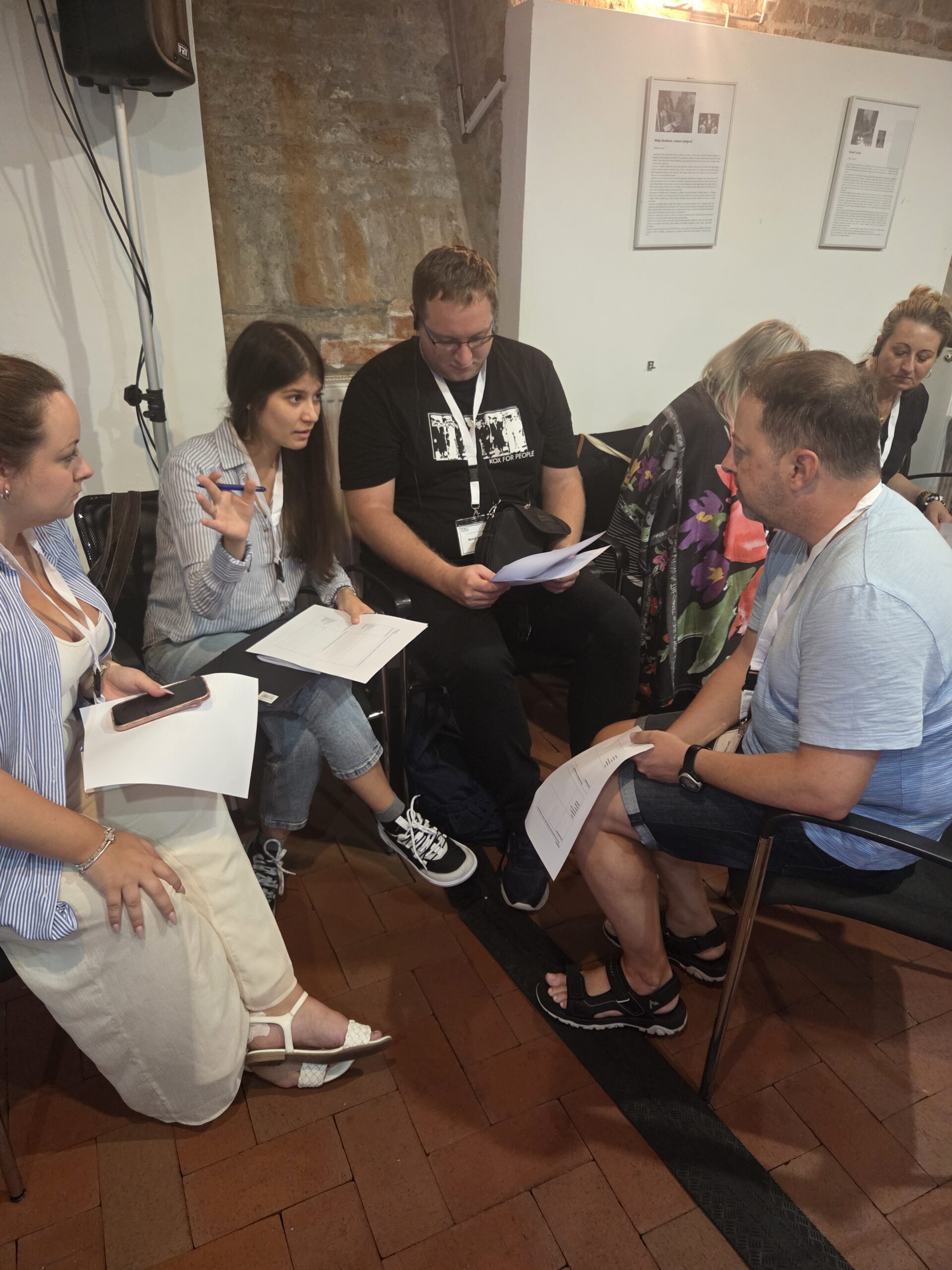
The methodology of the training is learner centered, based on the principles of experiential learning and a human rights-based approach in education. A variety of methods are used in order to stimulate the engagement of participants, their reflections and a high level of interaction: presentations, analysis, discussions, reflections, group work, videos, visits, guest speakers, survivors’ testimonies, etc.
Graduates of the seminar have the opportunity to apply for an impact grant to develop projects related to Holocaust education and social justice. The grant consists of financial support and continuous mentorship throughout the school year.
With Assistance from the Conference on Jewish Material Claims Against Germany
Supported by the German Federal Ministry of Finance
and Visegrad International Fund
———————————————————
The handbook for teachers Learning from the Past, Acting for the Future – An Interdisciplinary Approach to Holocaust, Human Rights and Intercultural Education is freely available for download below.